Have you ever held a beautifully finished embroidered piece, ready to list in your shop, but a wave of anxiety stops you? You start wondering, "Can I legally sell this? What does 'commercial use' even mean for this digital file I bought?" This fear of a sudden cease-and-desist letter or an online shop shutdown is all too real for many talented crafters. Navigating the legal side of creativity, especially the complexities of copyright for embroidery designs, can feel overwhelming and stop you from sharing your passion with the world.
Worry no more. This guide is here to be your friendly legal compass. We're cutting through the confusing jargon to give you clear, actionable answers. We'll walk you through everything from understanding the licenses that come with purchased designs to the essential steps for protecting your own original creations. You'll finally grasp the difference between a copyrighted character and a trademarked logo, empowering you to stitch, sell, and build your creative business with complete confidence and peace of mind.
- Your original embroidery designs are automatically protected by copyright the moment you create them, no registration required.
- Purchasing a design file grants you a license with specific usage rules, not ownership of the design itself.
- Learn to identify the legal "danger zone" of using famous logos, characters, and fan art for your projects.
- Understanding the basics of copyright for embroidery designs is the first step to confidently and legally selling your finished products.
Table of Contents
[- What is Copyright and How Does It Apply to Embroidery?](/articles/licensed-embroidery-design-legality-explained)
- Using Purchased Designs: Understanding Licenses and Your Rights
- The Danger Zone: Logos, Characters, and Fan Art
- How to Protect Your Own Original Embroidery Designs
What is Copyright and How Does It Apply to Embroidery?
At its heart, copyright is a form of legal protection for original creative works. The moment you create something tangible-whether it's a painting, a song, or a digital embroidery pattern-the law grants you, the creator, a set of exclusive rights. For a deeper dive into the legal framework, the Wikipedia article on What is Copyright? provides a comprehensive overview. In the world of machine embroidery, this protection applies directly to the unique digital designs you create or purchase, safeguarding the creativity and effort invested in each pattern.
Understanding the basics of copyright for embroidery designs is the first step in protecting your own work and respecting the work of others. It’s not just about legal rules; it’s about fostering a fair and creative community.
Copyright Basics for Embroidery Creators
The great news for digitizers is that copyright protection is automatic. The instant you save your original embroidery design as a file, it is legally protected. You don't have to file any paperwork to get this basic protection. This ownership grants you the exclusive rights to:
- Reproduce or make copies of your design file.
- Sell, lease, or otherwise distribute the file to others.
- Create derivative works based on your original design.
While registration with a national copyright office (like the U.S. Copyright Office) is not required for protection to exist, it is necessary if you ever need to take legal action against an infringer and provides a public record of your ownership.
Digital Embroidery Files vs. Physical Stitched Items
A crucial distinction in embroidery copyright is between the digital file and the physical item you stitch out. The digital design file (e.g., a .PES, .DST, or .JEF file) is the primary copyrighted work. When you stitch that design onto a t-shirt or a tea towel, the resulting physical item is considered a "derivative work." The right to create and sell these stitched items is typically determined by the license you agree to when you purchase a design from another artist.
The Role of Originality in Copyright
Copyright only protects an "original work of authorship," which means the work must have a minimal spark of creativity and be your own creation. This is a key concept in understanding copyright for embroidery designs. For example:
- Not Copyrightable: A simple geometric shape like a circle, a standard font letter, or a single type of stitch (e.g., a satin stitch).
- Copyrightable: A unique arrangement of flowers, a stylized animal character, or an intricate pattern combining common shapes in a new way.
Critically, making minor changes to someone else's design, like altering a few colors or resizing it, does not make it your original work. The underlying creative expression still belongs to the original digitizer.
Using Purchased Designs: Understanding Licenses and Your Rights
When you purchase a digital embroidery pattern, it's easy to think you now own that design. However, this is the most critical misunderstanding in the crafting world. You are not buying the design itself or its copyright; you are buying a license. This license is a legal agreement between you and the designer that dictates exactly how you are permitted to use their digital file. Understanding this distinction is fundamental to respecting the copyright for embroidery designs you buy. Because designers sell globally, they rely on principles of International Copyright Protection to safeguard their creative work, making the license your official permission slip for usage. Always read the designer's Terms of Use or Licensing Agreement before you click "buy."
Personal Use vs. Commercial Use Licenses
Licenses typically fall into two main categories. A Personal Use license allows you to create items for yourself or as gifts, where no money is exchanged. Think of stitching a design onto a baby blanket for your new nephew. In contrast, a Commercial Use license grants you permission to sell the physical items you make using the design, like selling embroidered blankets at a craft fair. Be aware that many free designs you find online are strictly for personal use only.
Common License Restrictions to Watch For
Every designer's terms are different, but most licenses include specific restrictions you must follow. Look out for common rules such as:
- File Sharing: You are almost always prohibited from reselling, sharing, trading, or giving away the digital design file itself.
- Sales Limits: A commercial license may limit the number of physical items you can sell (e.g., "up to 100 finished items per design").
- Mass Production: Using the design for large-scale, factory-based manufacturing is typically forbidden.
- Alterations: Some licenses restrict you from altering the original design file in any way.
Can I Edit or Combine Purchased Designs?
This is a tricky area that depends entirely on the seller's specific terms. Some designers encourage creativity and allow you to resize, recolor, or even incorporate their design into a larger piece. Others strictly forbid any alterations to protect their artistic integrity. Combining elements from multiple purchased designs can create a complex issue regarding the copyright for embroidery designs, as you are creating a new derivative work from several protected sources. When in doubt, the best policy is always to contact the original designer and ask for permission directly.

The Danger Zone: Logos, Characters, and Fan Art
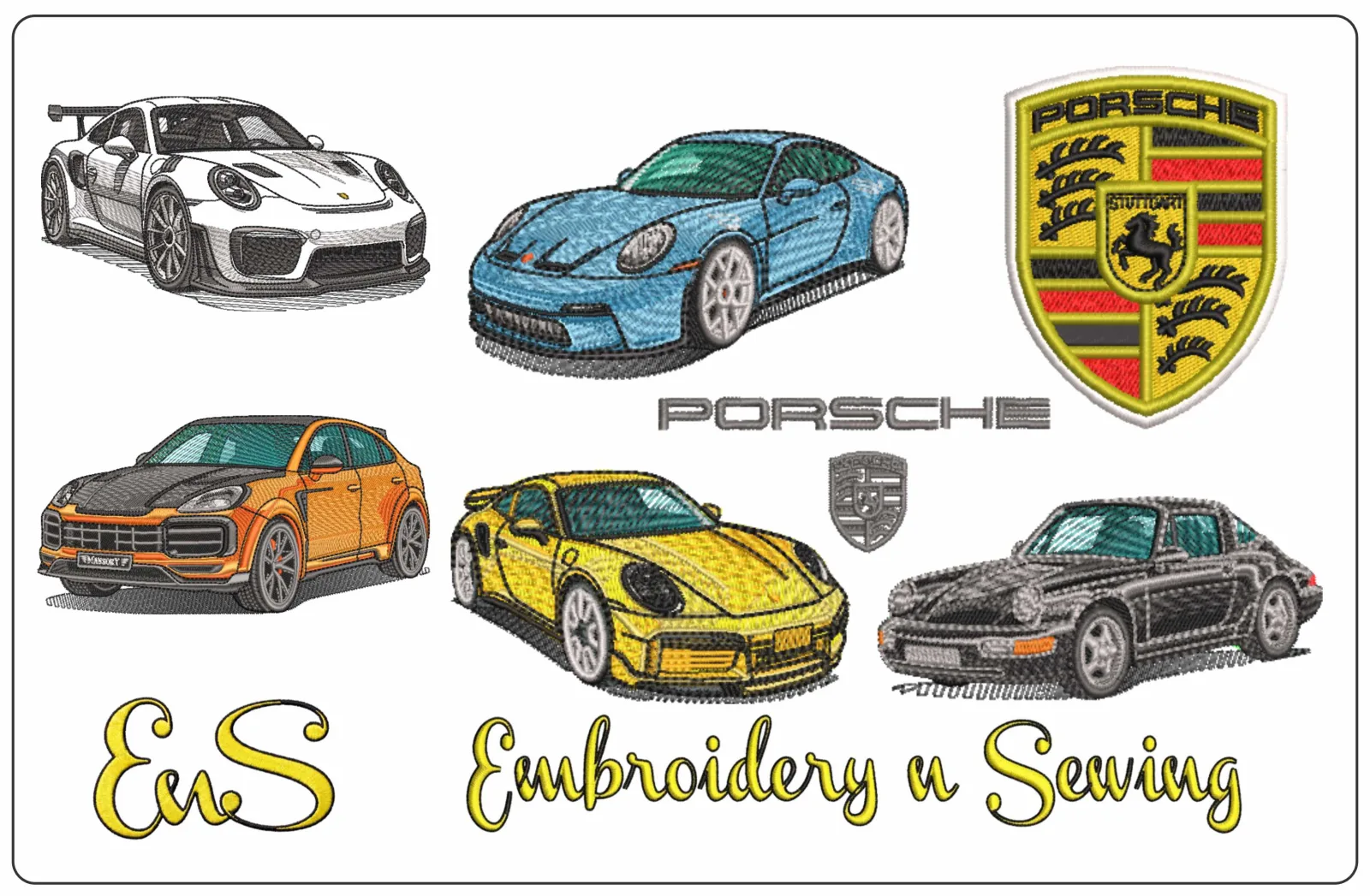
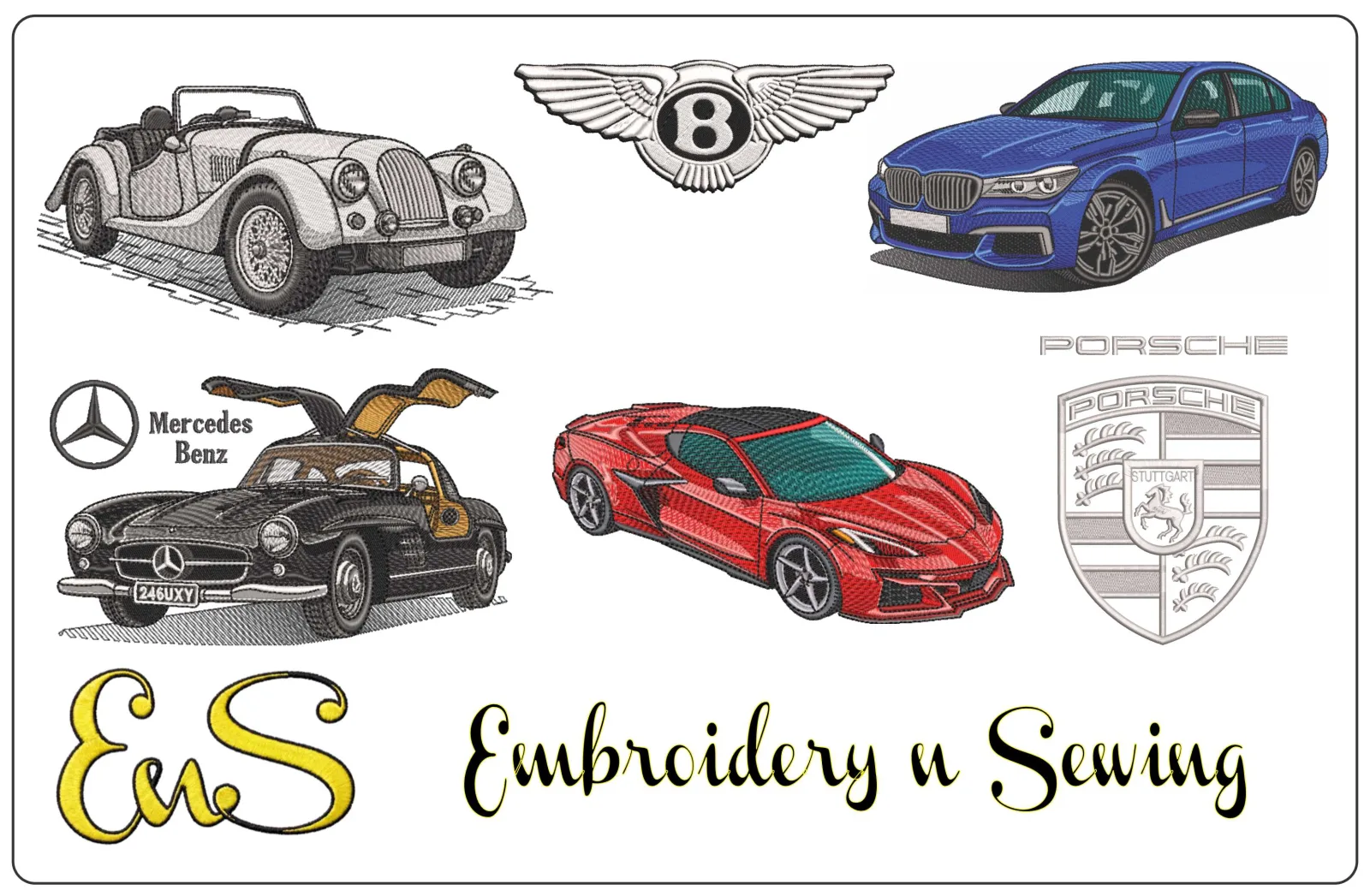
For many embroiderers, the most tempting projects are often the most legally perilous. Stitching a beloved cartoon character, a famous movie quote, or a sports team logo seems like a harmless way to create a popular product. However, this is the single biggest area where crafters unknowingly step into a minefield of intellectual property law. These well-known assets are owned by large corporations, and using them for commercial gain without a license is infringement.
You might think, "But I see these designs all over online marketplaces!" This is a common misconception. The prevalence of infringing items on online marketplaces does not make the practice legal. It simply means the sellers haven't been caught yet. Relying on this as a defense is a risky strategy that can jeopardize your business.
Trademark vs. Copyright: A Simple Breakdown
Understanding the difference between trademark and copyright is crucial when navigating the rules of copyright for embroidery designs. While they are distinct legal concepts, they both protect intellectual property you cannot use without permission.
- Trademark: Protects brand identifiers. This includes logos (the Nike Swoosh), brand names (Coca-Cola), and slogans ("Just Do It"). Its purpose is to prevent consumer confusion about the source of goods.
- Copyright: Protects original artistic and literary works. This covers everything from characters (Mickey Mouse) to book series (Harry Potter). As the U.S. Copyright Office explains, copyright is secured automatically when a work is created and fixed in a tangible form.
In short, both are legally protected, and embroidering them for profit is a violation of the owner's rights.
The Legal Risks of Selling Fan Art
Selling unauthorized fan art or logo-based items can lead to serious consequences. While you might fly under the radar for a while, the potential risks are significant and can escalate quickly. These include:
- Marketplace Takedowns: Online selling platforms have policies against infringement and will remove listings or even shut down your entire shop upon receiving a complaint from a rights holder.
- Cease-and-Desist Letters: You could receive a formal legal letter from the company's attorneys demanding you stop selling the infringing items immediately.
- Lawsuits: While less common for small sellers, it is not unheard of. Large corporations have the resources to sue for damages, and the financial penalties can be severe.
Even creating designs that are merely "inspired by" a character can be deemed a "derivative work," which is still an exclusive right of the copyright holder.
What About Digitizing a Logo for Personal Use?
So, can you ever stitch your favorite logo? Generally, creating a one-off item for purely personal use-like digitizing a team logo for a shirt you will wear yourself-is considered low-risk. The legal danger arises the moment you offer that item or design for sale. Commercial activity is the clear line you should not cross. To avoid these issues entirely, focus your creative energy on unique creations. Stay safe by browsing our huge collection of original designs.
How to Protect Your Own Original Embroidery Designs
You’ve poured your creativity into a unique digital file; now it’s time to protect it. The good news is that your original work is automatically protected by copyright the moment you create it. However, prevention is the best strategy. Taking a few proactive steps can deter theft and make your rights much easier to enforce if someone does misuse your art.
Practical Steps to Deter Design Theft
Simple, low-cost actions can make your designs a less attractive target for thieves. Start by implementing these three habits for every design you publish:
- Use Watermarks: Place a semi-transparent version of your logo or shop name across your product photos. This makes it difficult for others to copy your images and use them to sell your stolen file.
- Include a Copyright Notice: Add a clear notice to your product description, file metadata, and any included PDF guides. A simple © 2024 Your Brand Name. All Rights Reserved. is a clear and professional statement of ownership.
- Write a Clear Licensing Policy: Don't make customers guess your rules. Clearly state how your digital files can be used. Specify if they can sell finished physical products and explicitly forbid reselling, sharing, or altering the digital file itself.
Formal Copyright Registration: Is It Worth It?
While copyright protection is automatic, formally registering your work with the U.S. Copyright Office gives you significant legal advantages. Registration is not required, but it is a prerequisite if you ever need to file a lawsuit for infringement. It also makes you eligible to claim statutory damages and attorney's fees. Think of it as an insurance policy for your best-selling or most valuable work-a crucial step for fully enforcing your copyright for embroidery designs.
What to Do If Someone Steals Your Design
Discovering theft is frustrating, but act methodically. First, contact the infringer directly with a polite but firm takedown request. Often, this is enough to resolve the issue. If they ignore you or refuse, your next step is to file a DMCA Takedown Notice with the platform hosting the content (e.g., Etsy, Amazon, Shopify). The DMCA (Digital Millennium Copyright Act) notice is a formal legal tool that obligates service providers to remove infringing material upon receiving a valid claim.
Protecting your art empowers you to build a sustainable creative business. For more resources on growing your craft, explore the expert guides at embroiderynsewing.com.
Stitch with Confidence: Mastering Embroidery Copyright
Navigating the world of copyright can seem complex, but it's all about respecting creativity-both yours and others'. Remember that your original work is automatically protected, and when you purchase a design, you're buying a license with specific rules for its use. Steering clear of famous characters and logos is the safest way to avoid infringement. A clear understanding of copyright for embroidery designs empowers you to create, sell, and share your work without worry.
Ready to skip the legal guesswork and start your next project with confidence? Browse thousands of unique and ready-to-stitch embroidery designs from our vast collection of high-quality files. With instant digital downloads compatible with all major machine brands, you can find your perfect pattern and begin creating in minutes. Happy stitching!
Frequently Asked Questions About Embroidery Copyright
Can I sell physical items I make using a purchased embroidery design?
In most cases, yes. The majority of independent designers sell their files with a limited commercial license that allows you to sell the physical items you stitch. However, you must read the designer's specific "Terms of Use" or license agreement. These terms often specify a limit on the number of items you can sell. It is almost always prohibited to sell, share, or trade the digital embroidery file itself, as you are purchasing a license to use it, not own it.
Is it illegal to digitize a company's logo for my own personal use?
Technically, digitizing a logo without permission can be considered copyright or trademark infringement. However, the risk of legal action for strictly personal, non-commercial use (like making a shirt for yourself that you never sell) is extremely low. The key distinction is "personal use." As soon as you sell the item, give it away in a promotion, or use it to represent a business, you cross the line into commercial infringement, which carries significant legal risk.
How do I know if an embroidery design I find online is copyrighted?
You should assume every design you find online is protected by copyright. Copyright is automatic once an original work is created and doesn't require a © symbol or official registration. The safest approach is to only purchase or download designs from reputable artists and marketplaces that provide clear licensing terms. This is a fundamental principle when navigating the complexities of copyright for embroidery designs and protecting yourself from potential infringement claims.
What is the 'first sale doctrine' and does it apply to digital embroidery files?
The "first sale doctrine" allows the owner of a physical copyrighted item, like a book or a CD, to resell that particular copy. However, this legal concept generally does not apply to digital goods like embroidery files. When you buy a design, you are purchasing a license to use it under specific terms, not the ownership of the file itself. This is why you cannot legally resell, share, or give away the digital embroidery files you have purchased.
Can I get in trouble for embroidering a Disney character on a gift for a friend?
While this is technically copyright infringement, the probability of facing legal consequences for a single, non-commercial gift is very small. Large corporations typically focus their legal efforts on individuals and businesses who are selling protected characters for profit. However, it's important to understand that creating the gift is not legally permitted, even if the practical risk is low. Selling such an item, even once, would significantly increase your risk.
Do I need to credit the original designer when I sell a finished item?
Whether you need to provide credit depends entirely on the license agreement that came with the design. Some designers require attribution as a condition of their commercial license, while others do not. Always check the "Terms of Use" file included with your purchase. Even if it's not required, giving credit is a wonderful way to support the original artist and is considered good etiquette within the crafting community. It helps customers find great designers, too.
What's the difference between royalty-free and copyright-free?
These terms are very different. "Royalty-free" means you pay a single, upfront fee for a license to use a design multiple times without paying ongoing fees (royalties) for each item you create. The artist still retains the copyright. "Copyright-free," also known as public domain, means the work has no copyright protection at all. Anyone can use, modify, and sell a public domain work without permission or payment. True copyright-free designs are much less common than royalty-free ones.