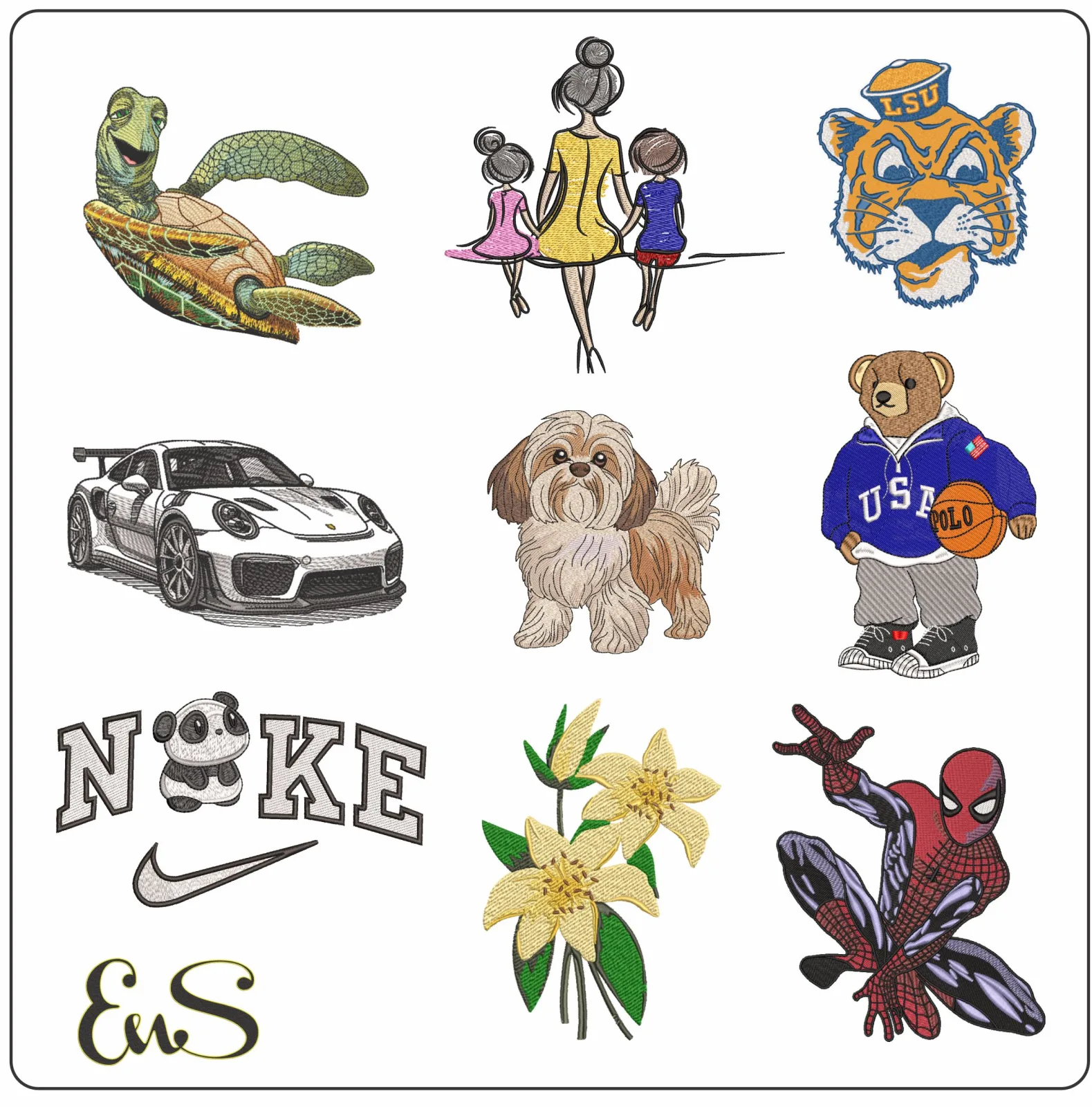
One design at $1.99 can feel like a steal. Another at $8.99 can still be the better buy. When you compare embroidery designs machine price, the real question is not just cost - it is what you get for that price and how fast you can turn that file into a finished product. For home embroiderers, craft sellers, and small apparel decorators, pricing matters because design buying adds up fast. If you stitch for gifts, team gear, kidswear, holiday items, or Etsy-style orders, you are not shopping for one file once a year. You are building a working library. That makes it worth understanding how embroidery design pricing works before you fill your cart.
## What affects embroidery designs machine price
Digital embroidery files are not all priced the same because they are not all built the same. A simple name frame, mini applique, or basic monogram design usually sits at the low end. It takes less digitizing time, fewer stitch changes, and often has broader use across many projects. More detailed files tend to cost more. That includes layered applique, logo-style designs, large jacket-back files, intricate florals, dense fill designs, and niche themes with strong buyer demand. If a file has multiple sizes, polished stitch sequencing, or clean detail that runs well on home machines, the price may reflect that extra work. Category also matters. Everyday motifs like hearts, animals, and standard seasonal shapes are often highly competitive, which keeps prices lower. Sports-inspired, fandom-driven, school-themed, and hard-to-find niche files may carry a premium simply because shoppers are actively looking for them and want instant access.
## Typical price ranges for machine embroidery designs
If you are shopping across digital marketplaces, you will usually see individual files priced in the impulse-buy range. That is one reason downloadable designs are so popular. They are affordable enough to support quick project decisions without the cost of custom digitizing.
Many single machine embroidery designs land between about $1 and $4. This range is common for basic motifs, simple sayings, compact designs, and entry-level decorative files. If you need a quick add-on for a baby bib, towel, tote bag, or T-shirt, this is often where you will shop.
### [Mid-range specialty files]
A lot of buyers spend around $4 to $8 for more distinctive or better-developed files. This range often includes popular themed artwork, stronger visual detail, applique combinations, and files with broader stitch appeal for gifts or resale items.
Higher-priced premium files or bundles
Once you move into larger files, coordinated sets, alphabets, or more complex designs, prices can rise further. Bundles can look expensive at first glance, but the cost per design may actually be lower. If you use a theme repeatedly - sports, cartoons, florals, holidays, or children’s motifs - a bundle can make more sense than buying one file at a time.
[Why a cheap file is not always the best value]
Price gets attention first, but stitch results decide whether a design was worth buying. A low-priced file that runs poorly, trims awkwardly, shifts registration, or leaves puckering behind is not actually a bargain. It costs [stabilizer], thread, blank goods, and your time. That is especially true if you sell finished items. A design that sews cleanly and looks professional on sweatshirts, caps, towels, or team apparel is worth more than a rock-bottom file that causes production headaches. For casual hobby use, you may accept a little trial and error. For repeat orders, reliability becomes part of the price. This is where shoppers often learn the difference between cheap and affordable. Affordable means the file is priced for easy buying and still delivers usable results. Cheap can mean corners were cut.
Embroidery designs machine price vs custom digitizing
For many buyers, ready-to-download files win on pure economics. Custom digitizing can be the right choice for business logos, original art, or one-off requests, but it usually costs far more than buying a pre-made design. If you need a football-themed file, [floral letter], cartoon-inspired look, or holiday motif today, an instant download is usually the better route. You skip the setup cost, the wait time, and the back-and-forth revisions. That is a major reason shoppers prefer digital marketplaces with large category coverage. You can browse, buy, download, and stitch the same day. For boutique sellers and side-hustle makers, this matters a lot. Fast access to ready-made files helps you test product ideas without putting too much money into design development up front.
How to judge whether the price is fair
A fair embroidery designs machine price usually comes down to five things: complexity, usability, relevance, size options, and trust in the source. Complexity is straightforward. More detail generally means more digitizing work. Usability means whether the design fits real projects people actually make - shirts, baby items, ornaments, bags, patches, team gifts, and home decor. Relevance is about demand. A niche sports or fandom file may justify a higher price because it solves a harder-to-find need. Size options add value too. A file sold in multiple hoop sizes can cover more projects, which reduces the need to shop again for a similar design. Trust matters because digital goods are judged before stitching, not after. If a marketplace is organized well, shows clear product naming, and offers broad selection in searchable categories, it is easier to buy with confidence.
When bundles make more sense than singles
If you stitch around a theme more than once, bundles are often the smarter buy. This is common with holidays, monograms, team spirit projects, children’s designs, and school apparel. Buying ten related files separately may cost more than a themed pack, and it can also slow down project planning. Bundles work best when you already know your niche. If you decorate boutique kidswear, a children’s set makes sense. If you make fan gear and personalized game-day items, sports-themed collections can save money over time. If you only need one file for one gift, a single download is usually better. The trade-off is simple. Bundles lower the per-file price, but only if you use enough of the included designs.
Shopping smarter by category, not just by price
Most buyers do better when they shop by project need rather than chasing the lowest number. Start with the item you are making. A towel topper, garden flag, baby blanket, sweatshirt, or team tote all call for different design types. Once you know the use, compare files within that category. This is where a large marketplace can help. Instead of hunting across random sources, you can narrow your choices by theme, season, style, or audience. That speeds up buying and usually leads to better value because you are comparing similar files instead of unrelated designs. A category-rich store like Embroidery n Sewing is built for exactly that kind of shopping. If you want sports-inspired designs, anime looks, children’s themes, florals, transportation, or [machine embroidery fonts], the value is not only in the file price. It is also in finding what you need quickly and downloading it right away.
Signs a design is priced to move
Some embroidery files are clearly priced for high-volume buying. You will see low individual prices, regular discounts, and strong best-seller visibility. That model works well for shoppers who buy often and want the freedom to test fresh ideas without a large upfront spend. For hobbyists, that means more room to experiment with seasonal gifts, personalized decor, and trend-driven projects. For small sellers, it means easier product testing. You can try a new niche, stitch a sample, and see what customers respond to before investing deeper. That said, a sale price should still be matched with a useful design. The best deal is the one that fits your machine, matches your customer or gift recipient, and works on the blank item you already plan to use.
[What buyers should expect before checkout]
Before paying any embroidery designs machine price, make sure the listing gives enough clarity to support the purchase. You want to know what type of design it is, what sizes or hoop formats are included, and whether the artwork fits your project style. Since these are digital goods, confidence at the point of purchase matters more than it would for a physical item. You should also think about repeat use. A file that can work on a toddler shirt, a tote bag, and a pillow cover may be worth more to you than a cheaper file with only one narrow use. The best-priced design is often the one you can stitch more than once in different ways. If you buy embroidery files regularly, pricing stops being a one-time decision and becomes part of your production strategy. A balanced design library usually includes low-cost basics, a few standout specialty files, and occasional bundles for categories you return to often. Buy for actual demand, not just discount appeal, and your downloads will work harder for every project you stitch. The smartest purchase is not always the cheapest file on the page. It is the one that gets downloaded, stitched, and used right away.