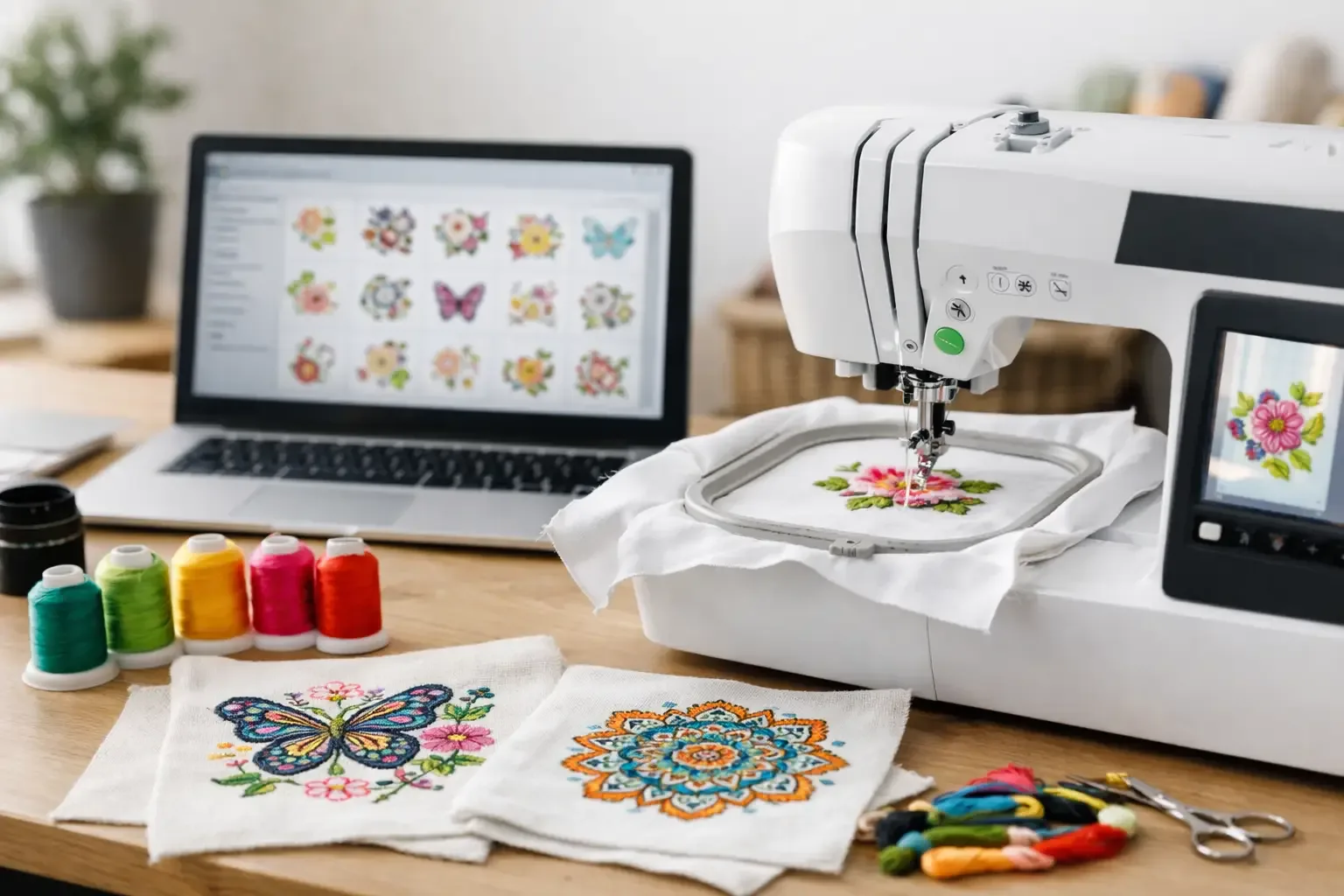
You do not need a huge design budget to keep your machine busy. Free digital machine embroidery designs can be a smart way to test new themes, practice placement, and build quick-turn projects without paying for every single file. The catch is simple - not every free file is worth the thread, and not every design is prepared for the way real makers actually stitch. If you use your embroidery machine for gifts, boutique items, team gear, kidswear, or craft-market products, free designs can fill gaps between paid purchases. They are especially useful when you want to try a new style before buying a full set, check whether a category fits your customer base, or stitch a fast sample on scrap fabric. But the difference between a helpful freebie and a frustrating one usually comes down to file quality, format support, and how clearly the design is labeled.
What makes free digital machine embroidery designs worth downloading
A free design only saves money if it saves time too. If the file is poorly digitized, missing size details, or packed in the wrong format, you can lose more time troubleshooting than you would have spent buying a clean, ready-to-stitch file. The best free files usually have a few things in common. They include standard machine formats, clear dimensions, stitch counts, and a useful preview image. Even better, they tell you whether the design is a fill stitch logo-style file, a light sketch design, an applique, or a dense satin-heavy pattern that needs stable fabric and proper backing. That matters because a free floral for a baby blanket is not judged the same way as a free sports-style chest logo for a hoodie. Some files are meant for quick decorative use. Others need clean underlay, balanced density, and solid pathing because they will be stitched on heavier garments or sold items. Free does not mean low expectation.
## Where free machine embroidery files help most
For many home embroiderers, free files are best used as test-drive designs. If you are branching into anime-inspired themes, children’s graphics, transportation motifs, or holiday accents, a free sample lets you check stitch behavior on your machine before you commit to a larger themed bundle. They also work well for personalization support pieces. Maybe the main design is paid, but you want a free frame, border, mini accent, or simple fill shape to finish the project. That kind of mix-and-match approach keeps costs down while still giving you variety. Small business makers often use freebies a little differently. A free design can help test demand for a niche category, such as a regional spirit theme, school-inspired look, or novelty kidswear concept. If the sample item gets attention, then it makes sense to expand into a larger set of premium files with more sizes and coordinated styles.
How to judge a free embroidery file before you stitch it
The preview image is your first filter, but it should not be your only one. A polished mockup can hide a lot. You want the practical details that tell you whether the file is likely to run cleanly on an actual machine. Start with format compatibility. If you run [PES], DST, EXP, JEF, VP3, or another common format, the file should be available in what your machine reads best. Converting formats on your own can work, but it can also create avoidable issues with trims, thread changes, or object order. Next, check design size. A free file may look perfect on screen and end up far too large for a common 4x4 hoop or too small to show detail on fleece. Size is not a minor detail when you are planning left chest logos, cap alternatives, towel corners, or children’s apparel. Then look at stitch count and design type. Dense files are not automatically bad, and light files are not automatically good. It depends on fabric, backing, needle choice, and the level of detail in the artwork. A design meant to mimic a bold team graphic or logo-style emblem will naturally stitch differently than a light line-art flower or a baby motif. Finally, pay attention to whether the source gives enough information to shop with confidence. Makers who stitch regularly do not want mystery downloads. They want to know what they are getting, how it is sized, and whether the file is ready for immediate use.
## The trade-off with free digital machine embroidery designs
Free files can be excellent, but they usually come with limits. Sometimes you get one size only. Sometimes the theme is narrow, or the file is offered as a teaser for a larger set. That is not necessarily a problem. In many cases, it is a practical way to sample a style before buying the more versatile version. The bigger trade-off is selection depth. If you need very specific categories, such as sports-inspired designs, school spirit looks, cartoon-style art, or coordinated collections for seasonal selling, free libraries often feel random. You might find one useful file, but not the whole matching group you need to build a product line or complete a themed order. That is where a large catalog matters. If you start with a free sample and then need additional sizes, companion designs, or related categories for instant download, it helps to shop in a marketplace that is organized by theme. Embroidery n Sewing fits that need for customers who want both variety and speed, especially when a project turns from casual stitching into a real order.
## Best uses for free embroidery designs by project type
Free files are especially practical for quick personal projects. A simple monogram frame, holiday accent, child-friendly motif, or kitchen towel design can be enough to finish a gift the same day. When the file is clean and the stitch path is sensible, free can feel like a real win. For apparel decorating, free designs are best used selectively. A left chest test logo, sleeve accent, or practice run on sample garments makes sense. For production work, especially on sweatshirts, jackets, polos, and teamwear, many makers prefer paid files because they expect more consistency in density, push-pull compensation, and finish quality. For Etsy-style sellers and local custom shops, the answer is usually mixed. Free designs are useful for concept testing, sample photos, and lower-risk seasonal items. But when you need category depth, faster browsing, and a file collection that supports repeat sales, a larger paid library usually becomes the better business tool.
How to organize free machine embroidery downloads so they stay useful
Most stitchers do not have a file problem. They have a file chaos problem. Free downloads pile up fast, and if they are not sorted right away, they become impossible to use when an order or project comes in. A simple folder system helps more than people expect. Organize by theme first, then by size or hoop compatibility, and keep original zip files separate from extracted working files. Rename vague file names while the design is still fresh in your mind. “Flower1” is not helpful three months later. “Floral heart 4x4 PES” is. It also helps to keep notes on stitch results. If a free design ran beautifully on canvas tote bags but puckered on knit tees, that is useful information the next time you are trying to move quickly. Good organization turns random freebies into a working design library.
## [When paying is the better move]
Sometimes the smartest use of free digital machine embroidery designs is letting them point you toward what is worth buying. If a free sample shows you that a category sells well, that your customers want more of a certain theme, or that a particular style stitches cleanly on your preferred blanks, the next step is obvious. Paid files often make more sense when you need multiple sizes, polished sets, niche themes, and category breadth in one place. They also make more sense when speed matters. If you are filling custom orders, building inventory, or decorating fan gear and gift items on a deadline, a searchable marketplace with ready-to-download designs is usually more efficient than hunting through scattered free sources. That does not make free files less useful. It just puts them in the right role. Think of them as part of your design pipeline, not the entire pipeline. The best free design is not the one that costs nothing. It is the one that gets you stitching faster, fits your hoop and fabric, and helps you decide what belongs in your next project lineup. If a file does that, it has already earned its place in your folder.