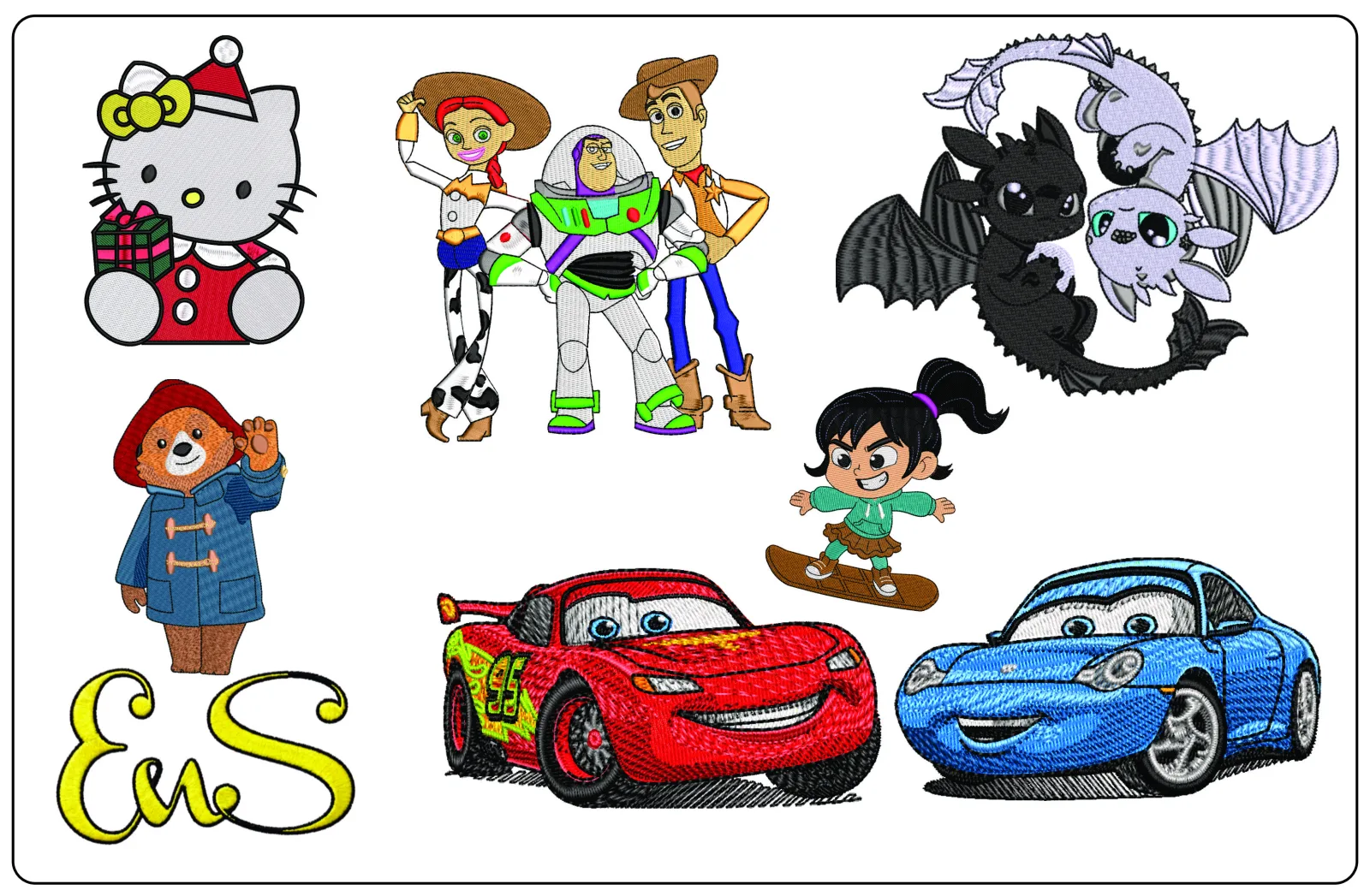
Have you ever stitched a perfect little mouse with big round ears or a famous cartoon sponge, only to feel a knot of anxiety in your stomach? You see other crafters selling similar items, but the fear of a dreaded cease-and-desist letter stops you. This confusion around using licensed characters in embroidery is a huge source of stress for talented makers, leaving you wondering what’s safe to sell and what could land you in legal trouble. Are your competitors just getting lucky, or do they know something you don’t?
While embroidery is excellent for detailed work, many groups also opt for screen printing for larger orders of apparel like t-shirts. If you're exploring options for a club or team, you can find out more about Custom Screen Printed T-Shirts to see how it compares.
A great application for this is creating custom designs for niche groups like clubs, teams, or youth organizations. This market often requires original emblems and awards, making it a perfect, legally-sound opportunity for embroiderers. For ideas on the types of designs that are popular with these groups, you can explore a wide variety of Fun Patches.
It’s time to trade that uncertainty for confidence. In this guide, we’re cutting through the complex legal jargon to give you a clear, crafter-friendly roadmap. We'll break down copyright and trademark rules, explain the real difference between personal and commercial use, and even explore legal alternatives for creating popular designs. Get ready to understand your rights, protect your business, and stitch your amazing creations without fear.
- Understand the core difference between copyright and trademark law and why it applies to your handmade embroidery projects. - Learn the truth behind common myths about using licensed characters in embroidery, such as the "fan art" exception or slightly altering a design.
- Identify the most likely real-world consequences for crafters, from simple marketplace takedown notices to more serious legal demands.
- Discover clear pathways to build a successful embroidery business legally, including licensing options and creating original, inspired designs.
Table of Contents
- The Core Issue: Is It Legal to Use Licensed Characters in Embroidery?
- Common Myths & Misconceptions for Embroiderers Debunked
- The Real-World Risks: From Takedown Notices to Lawsuits
- How to Create and Sell Embroidery Legally and Safely
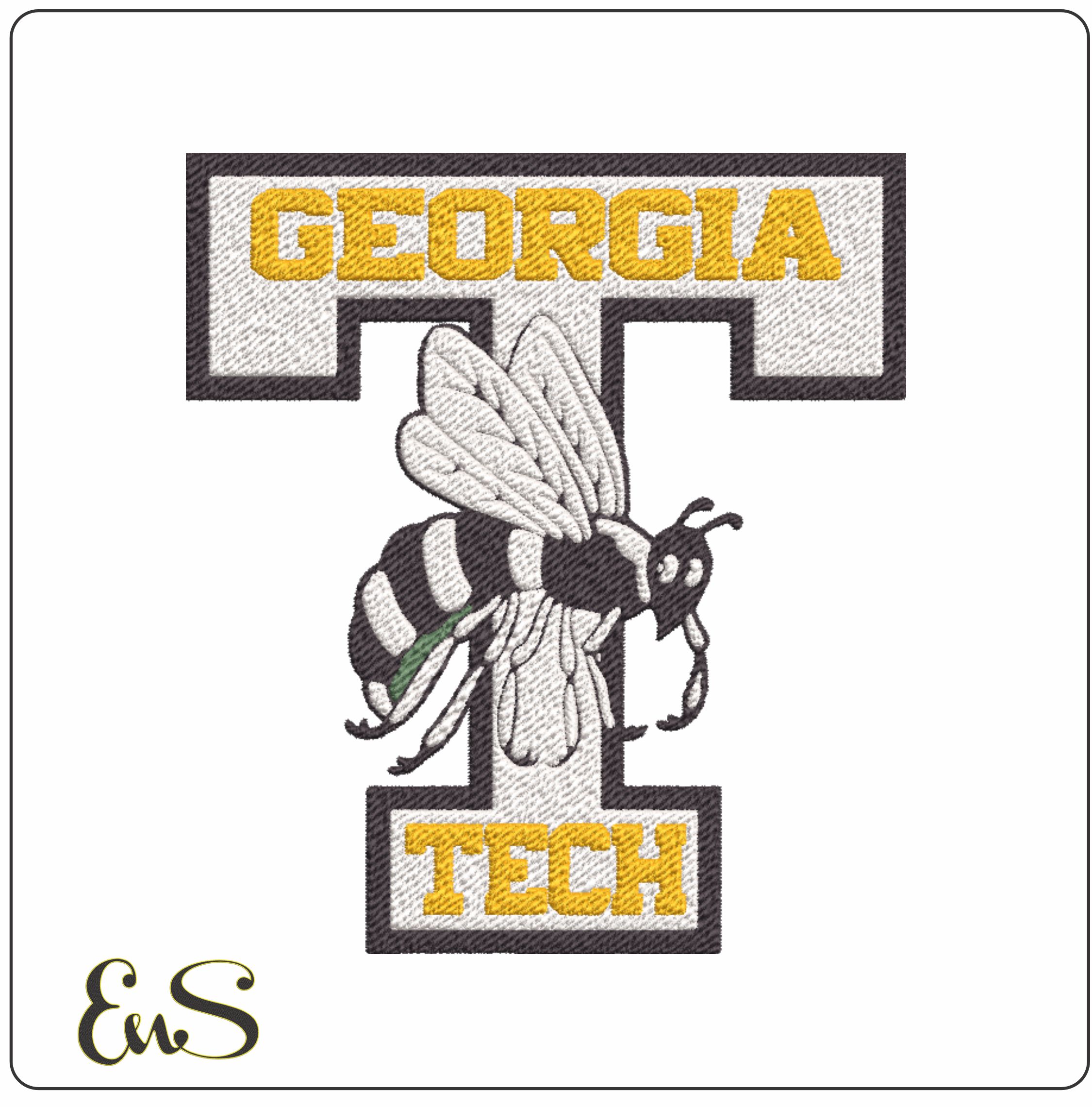
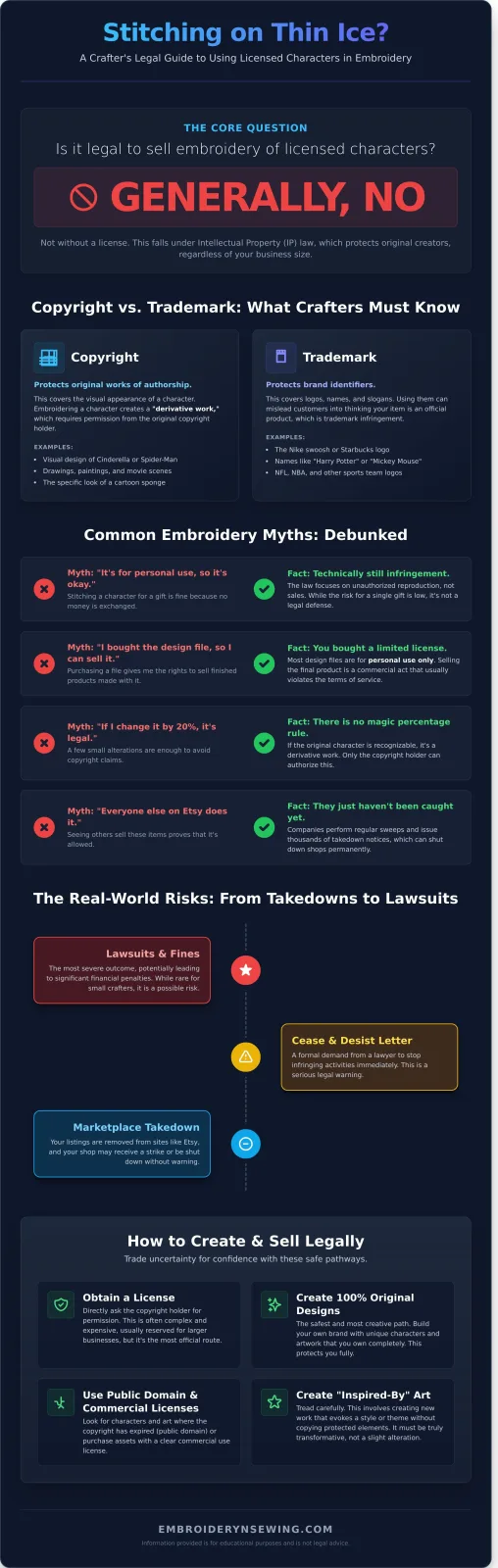
Let's get straight to the point: is it legal to sell, or even give away, items featuring embroidered versions of popular characters? The short answer is, generally, no-not without obtaining a license or permission from the owner. The practice of using licensed characters in embroidery falls under the complex umbrella of Intellectual Property (IP) law.
These laws exist to protect the creators and owners of original works, and they apply whether you're a large company or a hobbyist selling at a craft fair. A common myth is that it's acceptable if you don't charge money for the item. However, the law focuses on the unauthorized reproduction of the character, meaning even giving it away as a gift can constitute an infringement.
What is a 'Licensed Character'?
A "licensed character" is any creative element-be it a character, logo, name, or phrase-that is legally protected by copyright or trademark. This means an individual or, more often, a large corporation holds the exclusive rights to its use and reproduction. The scope is incredibly broad and includes things like:
- Cartoon and Movie Characters: Mickey Mouse, Harry Potter, or any superhero from the Marvel universe.
- Brand Logos: The iconic Nike swoosh, the Starbucks siren, or the interlocking "LV" of Louis Vuitton.
- Sports Team Emblems: All NFL, NBA, and MLB team logos and names are fiercely protected trademarks.
- Famous Quotes: Recognizable lines from movies or TV shows, like "May the Force be with you," can also be protected.
Copyright vs. Trademark: What Crafters Must Know
Understanding the two main types of IP is crucial to grasping the legal risks. While they often overlap, they protect different things.
Copyright protects original works of authorship, such as drawings, movies, and books. The visual design of Cinderella is a creative work protected by copyright. When you digitize and embroider that image, you are creating a new version based on the original. This act falls under the legal definition of a derivative work, which requires permission from the original copyright holder.
Trademark, on the other hand, protects brand identifiers like logos, names, and slogans that distinguish one company's goods from another's. The Coca-Cola logo is a perfect example. Using it on a product without permission can mislead consumers into thinking it's an official product, which is a trademark infringement. Violating either can expose your business to serious legal consequences.
Common Myths & Misconceptions for Embroiderers Debunked
Navigating copyright law can feel like stitching in the dark. Misinformation spreads quickly in online forums and social media groups, leading many well-intentioned crafters astray. When it comes to using licensed characters in embroidery, it's crucial to separate fact from fiction. Let's bust some of the most common myths so you can protect your craft and your business.
Myth #1: The 'Personal Use' Free Pass
Many believe that if they aren't selling an item, they can't get in trouble. Unfortunately, "personal use" is not a legal defense against copyright infringement. Stitching a copyrighted character onto a shirt for your nephew is, technically, creating an unauthorized reproduction. While the risk of legal action for a single, non-commercial gift is extremely low, the act itself is still an infringement. The key issue is the unauthorized copying, not whether money changes hands.
Myth #2: 'I Bought the Design File, So I Can Sell It'
This is a major pitfall. When you purchase an embroidery design file, you are not buying the character or the copyright. You are buying a limited license to use that specific file. Most sellers grant a license for personal use only. Selling a finished product stitched with that design is a commercial act that almost always violates the file seller's terms. Always read the Terms of Service before you buy a file to understand exactly what you are and are not allowed to do.
Myth #3: 'If I Change It by 20%, It's Legal'
The "magic percentage" rule is one of the most persistent and dangerous myths in the creative community. There is no 10%, 20%, or 30% rule that makes a copyrighted work legal to use. Altering a character-like putting a different hat on Mickey Mouse or changing his colors-creates what is legally known as a "derivative work." Globally, copyright law dictates that only the original copyright holder has the right to create or authorize derivative works. If the original character is still recognizable, it is almost certainly infringement.
Myth #4: 'Everyone on Online Marketplaces Does It!'
Seeing countless shops on online marketplaces and social media platforms selling items with licensed characters does not make it legal. It simply means many people are breaking the law and haven't been caught yet. Companies like Disney, Nintendo, and Warner Bros. employ teams and use software to find infringement. They regularly perform sweeps, issuing thousands of takedown notices that can get listings removed and shops permanently shut down without warning. Relying on "social proof" is a risky strategy that offers no legal protection.
The Real-World Risks: From Takedown Notices to Lawsuits
While it can be tempting to stitch and sell a beloved character, it's crucial to understand the potential consequences. The legal framework providing Copyright protection for fictional characters is robust, and rights holders actively defend their intellectual property. The risks of using licensed characters in embroidery are not just theoretical; they follow a clear and escalating path, from automated platform warnings to serious legal action. Understanding this hierarchy helps you make an informed risk assessment for your business.
Platform Takedowns and Shop Suspensions
For most small sellers on platforms like Etsy, the first and most common consequence is a Digital Millennium Copyright Act (DMCA) takedown notice. This is the frontline of copyright enforcement online. Here’s how it typically works:
- The copyright holder (or their agent) finds your listing and files an infringement claim with the platform.
- The platform, legally obligated to act, immediately removes your listing.
- You receive a notification and a "strike" against your account.
A single takedown might seem minor, but these strikes are cumulative. Racking up multiple infringements can quickly lead to a temporary suspension or even the permanent closure of your shop, erasing all your hard work and customer base.
Cease and Desist Letters
If takedown notices are ignored or the infringement is significant, the next step is often a cease and desist letter. This is a formal document sent by the rights holder's attorney demanding that you immediately stop all infringing activities. The letter will usually require you to:
- Stop selling the infringing products.
- Destroy any remaining inventory.
- Confirm in writing that you have complied.
Ignoring a cease and desist letter is a serious mistake. It signals to the rights holder that you are continuing the infringement willfully, which can significantly escalate the situation and increase potential penalties if they decide to sue.
Financial Penalties and Lawsuits
A full-blown lawsuit is the most severe and least likely outcome for a small-scale crafter, but it is a real possibility, especially for sellers with significant sales or those who ignore previous warnings. If a copyright holder sues and wins, the financial penalties can be crippling. Under U.S. law, they can sue for statutory damages, which can range from $750 to $30,000 per infringement. If the court finds the infringement was willful, that amount can jump to $150,000. This is the ultimate risk of using licensed characters in embroidery without permission and underscores the importance of respecting intellectual property law.
How to Create and Sell Embroidery Legally and Safely
Navigating the rules of using licensed characters in embroidery can feel daunting, but it doesn't have to be a dead end. Instead of focusing on what you can't do, let's explore the incredible opportunities you have to build a thriving, legal, and creative embroidery business. The key is to shift your focus from reproducing existing work to creating something new.
Create Your Own Original Designs
The safest and most rewarding path is to create your own original artwork. When you design something from scratch, you automatically own the copyright to it. This not only protects you legally but also allows you to build a powerful brand around your unique style. Customers are drawn to authenticity and creativity. Building a business on your own vision is far more sustainable than relying on the popularity of someone else's intellectual property.
Use Public Domain and Commercial Use Licensed Designs
You don't have to create everything yourself. There are vast libraries of designs you can legally use for commercial projects. Here’s what to look for:
- Public Domain: These are works whose intellectual property rights have expired. This includes very old characters (like the earliest versions of Winnie the Pooh or Mickey Mouse from Steamboat Willie) and classic art.
- Commercial Use Licenses: Many artists and marketplaces sell embroidery files with a commercial license, granting you the right to sell physical items made with their designs.
Always read the license terms carefully. Some may limit the number of items you can sell or prohibit use on print-on-demand services. Understanding the fine print is crucial for protecting your business.
Develop 'Inspired-By' Designs (Carefully!)
This is a popular but legally gray area that requires caution. An "inspired-by" design evokes a theme or style without directly copying protected elements. For example, instead of embroidering a Hogwarts crest, you could create a "wizard school" collection featuring magical books, potions, and scarves in generic house colors. This approach is much safer than directly using licensed characters in embroidery, but you must avoid:
- Character names or direct quotes
- Official logos, crests, or specific symbols
- Anything that is a direct copy of a protected design
The goal is to capture a general feeling, not replicate specific intellectual property. When in doubt, lean toward originality. Browse thousands of unique designs for your next project.
Embroider with Confidence and Creativity
Navigating the complexities of using licensed characters in embroidery can seem daunting, but the path forward is clear. Remember, while it may be tempting, stitching and selling copyrighted characters without permission is a significant legal risk that can lead to takedown notices or worse. The safest and most rewarding approach is to embrace your own creativity or use designs you have the legal right to work with.
Instead of risking your craft, why not channel that passion into something unique? Explore our huge library of creative embroidery designs for your next project. With thousands of high-quality digital files available for instant download for all machine types, you'll find incredible designs for every style and occasion.
Protect your passion and your business by making smart, informed choices. Let your needle and thread tell your own story, legally and beautifully. Happy stitching!
Frequently Asked Questions
Can I get in trouble for embroidering a Disney character for my child's jacket?
The legalities of using licensed characters in embroidery can be complex. For strictly personal use, like a one-off gift for your own child, you are unlikely to face legal action. This is because no commercial transaction occurs. However, the moment you sell, trade, or even barter the item, it becomes a commercial activity and a clear copyright infringement. While personal projects are low-risk, they technically still violate the creator's copyright.
What if I digitize a logo myself? Can I sell the file or the embroidered item?
No, digitizing a copyrighted or trademarked logo yourself does not transfer the intellectual property rights to you. The original logo is still protected by law. Selling either the digitized file or a physical item embroidered with that logo is an infringement. Your creative labor in digitizing the design does not grant you permission to profit from someone else's brand identity. You would need an explicit license from the copyright holder to sell it legally.
How do shops on Etsy get away with selling items with licensed characters?
Many of these shops are operating illegally and simply haven't been caught yet. Companies like Disney and Nintendo actively police marketplaces and issue takedown notices or pursue legal action against infringing sellers. While a few sellers might have an official (and very expensive) license, most are taking a significant legal and financial risk. Seeing others do it is not a reliable indicator that the practice is legal or safe for your business.
Where can I find embroidery designs that are 100% legal to use for products I sell?
To legally sell embroidered items, purchase designs from sources that explicitly include a commercial use license. Look for original artwork on digital marketplaces like Creative Fabrica or Design Bundles, and always read the specific license terms before buying. You can also commission a custom design from an artist, ensuring your contract specifies that you are purchasing the commercial rights. Avoid any designs that are clearly based on existing characters or logos without proof of license.
Is it okay to use a sports team's colors and city name, but not their logo?
This is a legally gray area and can lead to trouble. Using a specific combination of colors and a city name (e.g., green and gold with "Green Bay") can be considered a "trade dress" violation. If consumers are likely to believe your product is officially affiliated with the team, you could be infringing on their brand. To avoid potential legal issues, it is safest to steer clear of creating items that directly mimic a professional team's distinct branding.
What is the difference between buying a design and buying a commercial license?
When you buy a standard embroidery design, you are often just purchasing a "personal use" license. This allows you to stitch the design for yourself or for gifts, but not for sale. A commercial license is a separate permission that grants you the legal right to sell physical products you create using that design. The license is the crucial legal agreement; the design file is merely the tool. Always confirm you are purchasing the correct license for your intended use.


