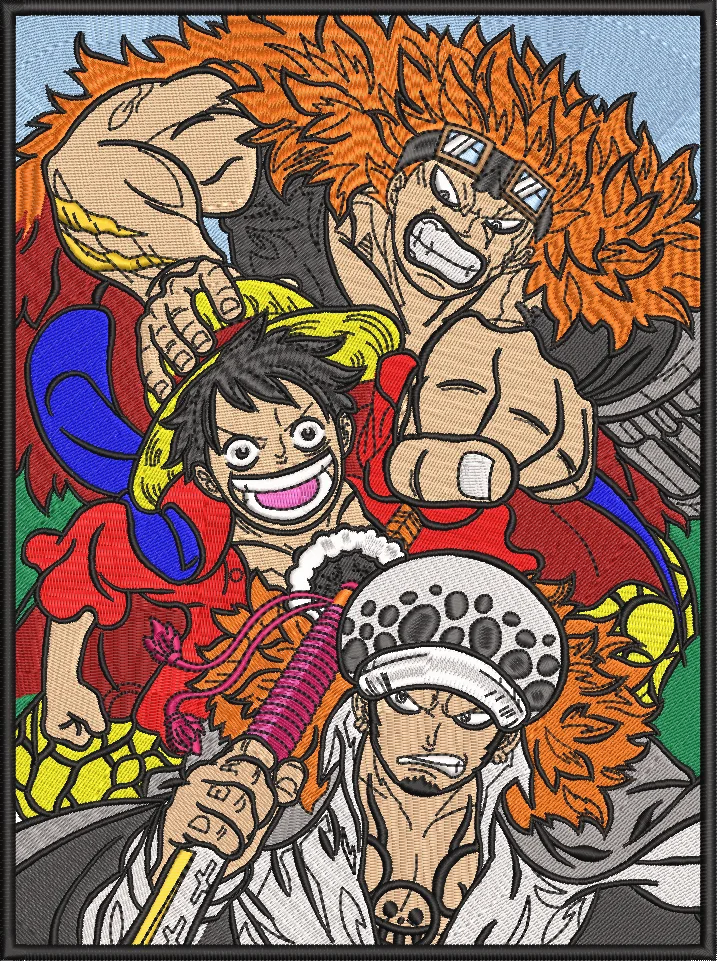
Some embroidery projects get planned for weeks. Others start because you found the right file and wanted it on a hoodie by tonight. That is exactly why anime embroidery patterns keep moving to the top of so many makers’ wish lists. They are recognizable, giftable, and easy to turn into finished products that feel personal without slowing down your production schedule. For home embroiderers, boutique apparel sellers, and fandom-focused makers, anime designs hit a sweet spot. They work on jackets, tote bags, patches, sweatshirts, caps, backpacks, and gift sets. More importantly, they let you offer something specific. Instead of a generic character-inspired look, you can choose files that match a mood, an art style, or a fan favorite aesthetic and get stitching right away with an instant download.
## Why anime embroidery patterns sell and stitch well
Anime-inspired embroidery is popular for a simple reason - fans know what they like, and they notice details. A clean silhouette, a recognizable eye shape, a symbol, or an iconic hair outline can be enough to make a design stand out on apparel or accessories. That gives embroidery a real advantage. You do not always need a huge, full-coverage design to make an impact. For makers selling finished items, this matters. Smaller chest designs, sleeve accents, hat logos, and patch-size motifs are often easier to stitch, easier to price, and easier to customize for buyers. A large back jacket design can look impressive, but it also takes more machine time, more stabilizer, and more thread changes. In many cases, a compact anime file gives you a better balance of stitch time and visual payoff. There is also strong gifting appeal. Anime-themed projects work well for birthdays, conventions, club events, holiday presents, and personalized accessories. If you sell online or at markets, that broad use case helps. Customers are not just shopping for themselves. They are often buying for a friend, sibling, partner, or teen who already has a favorite series or character style in mind.
## [What to look for when buying anime embroidery patterns]
Not every design that looks good on a screen is equally practical on a machine. If your goal is fast project turnaround, start with stitchability, not just artwork. A file with smart pathing, balanced density, and manageable color changes will usually serve you better than a highly detailed image that pushes your machine and fabric too hard. Design size should be your first filter. Think about the blank you want to decorate before you buy. Left chest sweatshirt placements, cap fronts, backpack pockets, and patch bases all have different size limits. A design that is perfect for a tote bag may be too tall for a youth hoodie and too wide for a hat. Matching file size to product use saves time and avoids the frustration of resizing artwork that was digitized for a specific scale. File format is the next practical check. Most embroidery hobbyists already know their machine format, but it still helps to confirm before checkout, especially if you use multiple machines or switch between home and small business production. Instant-download marketplaces work best when that friction is low - find the design, confirm the format, download, and stitch. Detail level matters too. Fine line work can look great on stable fabrics, but it may get lost on fleece, textured twill, or thick sweatshirts. If you are decorating everyday apparel, simpler artwork often performs better. Bold outlines, layered fills, symbols, and compact character-inspired elements usually hold up well across more fabric types.
Best project ideas for anime embroidery patterns
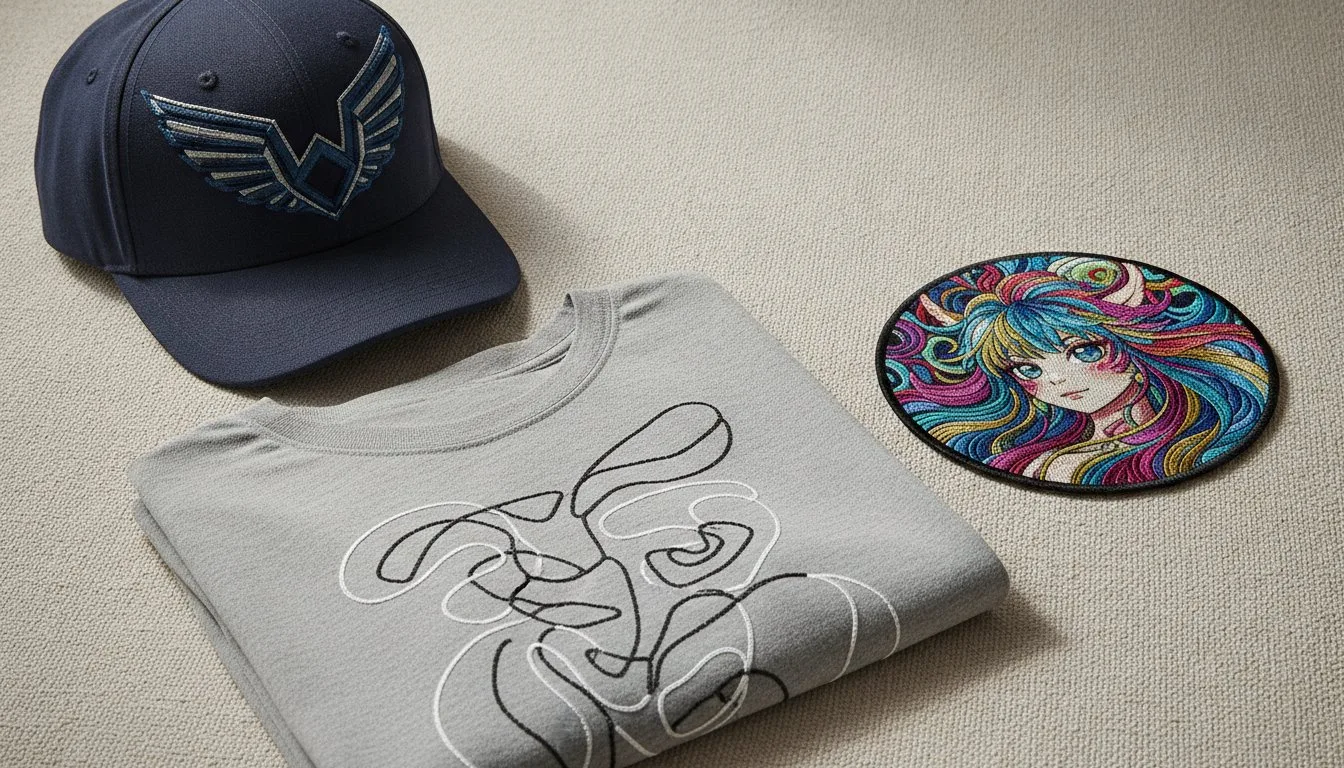
The most useful anime embroidery patterns are the ones that fit what customers already buy. Hoodies and sweatshirts are an easy starting point because they give you room for left chest art, sleeve placements, or larger back designs. A single design can often be used in multiple placements, which is helpful when you want to offer product variations without buying a completely different file set. Jackets are another strong option, especially for patch-style embroidery. Anime-inspired patches can be stitched in batches, trimmed, and applied to denim, canvas, backpacks, or cosplay accessories. This approach works well if you sell at events or want inventory that is easy to prep ahead of time. Tote bags and zipper pouches are also practical. They stitch flat, they are easy to personalize, and they appeal to buyers who want subtle fandom items for everyday use. A compact symbol, mascot, or stylized character element can turn a plain bag into something that feels custom without pushing stitch count too high. For gift sellers, towels, pillow covers, and small accessories can be surprisingly effective. Anime is often associated with apparel first, but fan gifts do not need to stop there. The right design can work just as well on room décor, organizers, and hobby storage items, especially if your customer wants something personal but still useful.
[How to choose files for personal use vs resale]Pokemon
If you stitch mainly for yourself or for gifts, your buying habits can stay flexible. You may choose a file because it is fun, nostalgic, or perfect for one specific jacket. In that case, machine time may not matter as much. You can afford a more detailed design if the finished result is worth the extra effort. If you are stitching for resale, the math changes. You need to think about repeatability, cost per item, and how quickly you can move from download to finished product. Designs with fewer thread changes and cleaner run times are easier to build into a product line. They also reduce the chance of mistakes during longer jobs. This is where category depth becomes valuable. A large marketplace gives you room to test. You can start with one or two anime-inspired files, see what your buyers respond to, then expand into related styles, symbols, or matching themes. That is often more efficient than ordering custom digitizing for every idea. For many sellers, ready-to-stitch files are the faster route to new inventory.
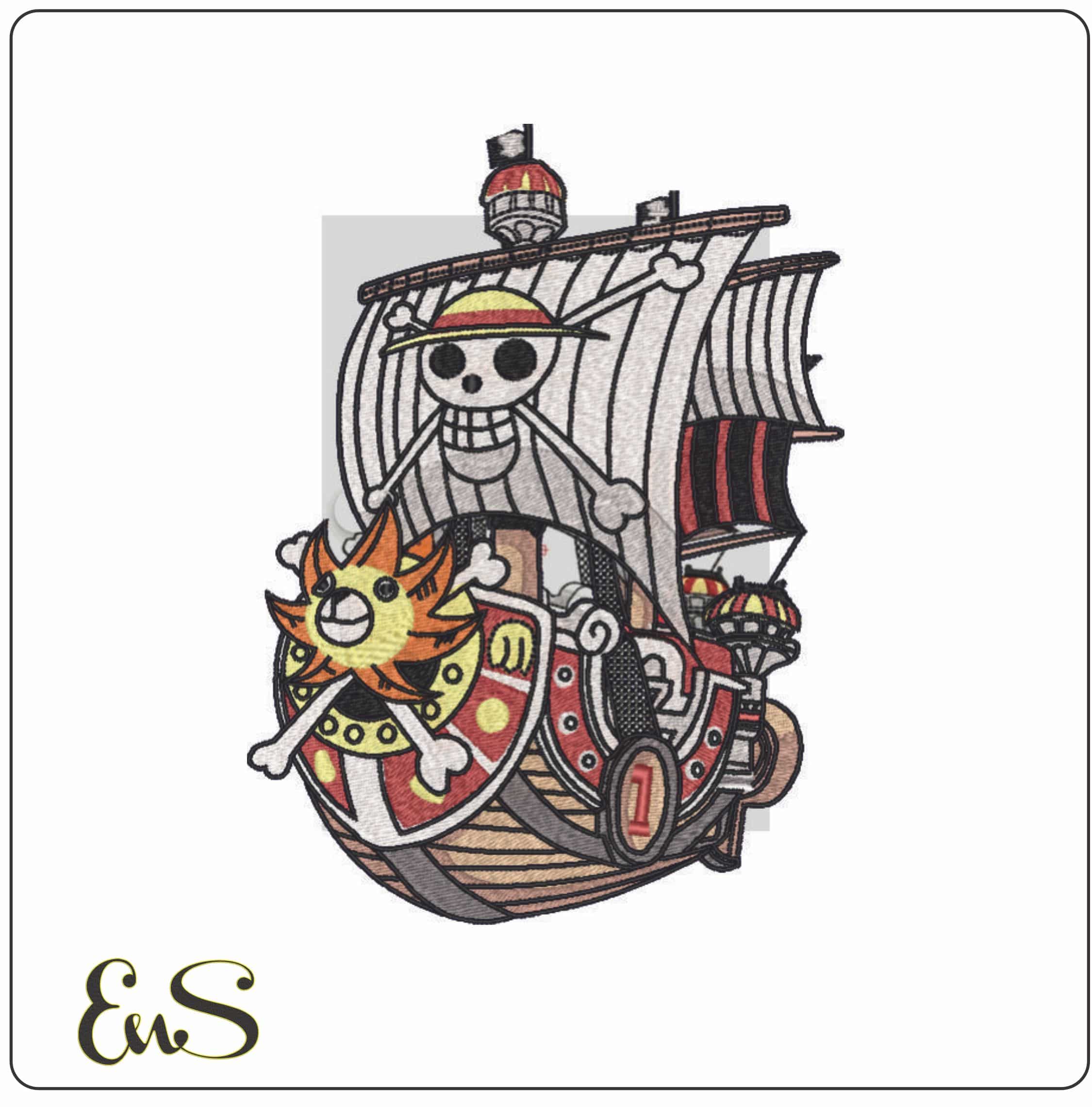
Once you start collecting files, organization makes a bigger difference than most people expect. Anime buyers tend to return to certain styles, colors, and placements. If your files are sorted only by download date, it gets harder to find what you need when a last-minute order comes in. A simple category system works best. Sort by item type first, such as hats, patches, left chest, large jacket back, and bags. Then sort by theme or series style. This lets you browse the way you actually sell and stitch. If a customer wants a quick hoodie design, you should be able to pull up compact files immediately instead of digging through oversized art. It also helps to keep notes on fabrics and results. Maybe one design runs beautifully on twill but needs topping on fleece. Maybe another file looks best with matte thread instead of high sheen. Those small production notes save time on repeat orders and help you choose the right blank the first time.
[## Where variety matters most
Anime trends move fast, and customer interest can be very specific. Some shoppers want bold character art. Others want something more understated, like a symbol, weapon, crest, or expressive detail that other fans will recognize. That is why variety matters more than having only a few headline designs. A catalog with broad theme coverage gives you more ways to serve different buyers. Beginners can start with simpler files that stitch cleanly on common fabrics. More experienced embroiderers can choose larger or more detailed pieces for statement projects. Sellers can mix impulse-buy designs with more premium-looking placements to create a fuller storefront. That variety is also what makes a marketplace like Embroidery n Sewing useful for project planning. Instead of hunting across multiple sources, you can browse by theme, compare file styles, and choose designs that match your machine, your blanks, and your turnaround goals.
Getting better results from your first stitch-out
Even the best file benefits from a realistic test run. If you are using anime embroidery patterns on a new fabric or garment style, stitch one sample before starting a batch. This is especially true for sweatshirts, performance fabrics, and thick bags, where texture and stretch can change the final look. Thread choice can shift the mood of the design more than people expect. Bright satin finishes can make a piece feel louder and more graphic. Softer tones or matte finishes can make the same file look more premium and wearable. If you are selling to adults who want fandom apparel without a costume feel, that subtle difference can matter. Placement deserves equal attention. A great design in the wrong spot can feel crowded or awkward. Smaller anime-inspired files often look strongest when they are treated like smart accents rather than oversized artwork. A clean sleeve stitch, pocket-area detail, or patch placement can sometimes outsell a bigger design simply because it is easier to wear. The right file should make the project feel easier, not harder. When the artwork is embroidery-ready, the size fits the item, and the design matches how people actually buy, anime embroidery becomes one of the quickest ways to turn a plain blank into something fans want to keep, gift, or order again.