
White embroidery: ideas, tips & how-to
White embroidery can look crisp, heirloom, modern, sporty or delicate depending on the fabric, stitch choice and the amount of contrast you build into the design. If you are searching for white on white embroidery how to advice, the key is understanding that “white embroidery” is not one single technique. It covers everything from traditional whitework and broderie anglaise to bold satin-stitched logos sewn in white thread on dark garments.
This guide focuses on practical choices for both hand and machine embroidery whitework styles, including how to stop common problems such as white bobbin thread showing on top.
What counts as white embroidery?
In everyday use, white embroidery usually means one of three things:
- White thread on white fabric – classic whitework, tonal monograms, christening gowns, blouses and heirloom sewing.
- White thread on coloured or dark fabric – high-contrast motifs, outline designs and sporty branding.
- Designs featuring white as a key colour – florals, character art and automotive or team-themed motifs where white thread defines the design.
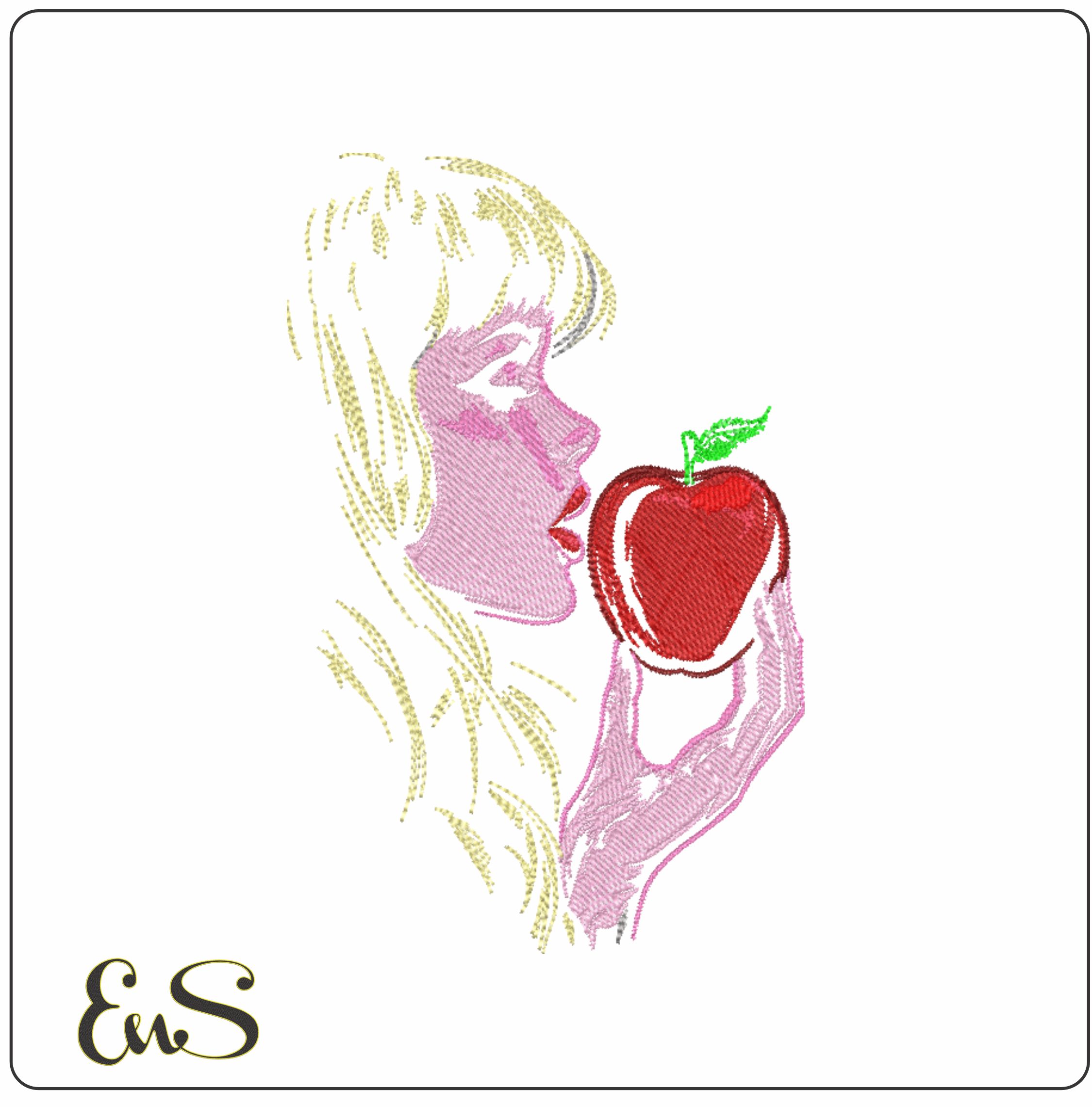
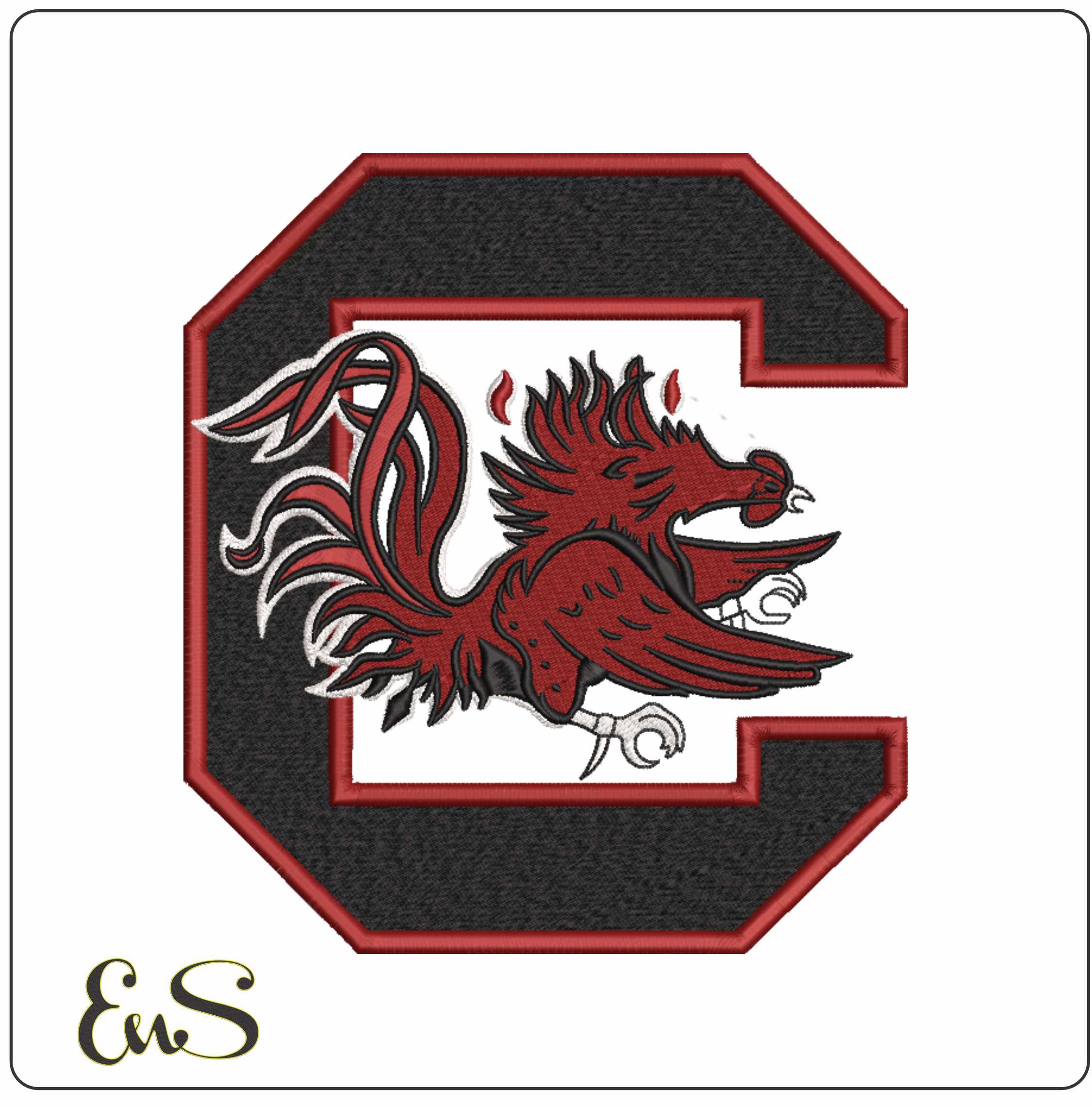
That is why the same catalogue theme can include very different looks, from the clean tropical lines of White Hibiscus to the bold edge detail in South Carolina Gamecocks White Outline V2, or a character-led piece such as Snow White Holding Apple.
Whitework, white on white, and white thread on dark fabric
If your goal is a refined heirloom effect, choose low-relief stitches and fine thread so the pattern emerges through texture and shadow. If your goal is visibility, white thread on navy, black, red or forest green gives much stronger definition.
The most important decision is not the design first, but the fabric–thread pairing. White thread only looks elegant when the base fabric supports clean, well-covered stitches.
Best fabrics and threads for whitework embroidery
The best fabric depends on whether you are doing hand whitework, whitework embroidery machine sewing, or decorative machine embroidery.
Best fabrics
- Linen: ideal for traditional whitework, drawn thread work and heirloom hand embroidery. It has a visible weave and enough body for cutwork and pulled effects.
- Cotton lawn or batiste: excellent for delicate white on white embroidery, babywear and blouses.
- Cotton sateen or poplin: good for machine embroidery where you want a smooth, crisp finish.
- Organdy or organza: useful for airy, decorative overlays, though they require careful stabilising.
- Medium-weight cotton or twill: better for bold white thread motifs on garments, caps or bags.
Avoid very loose knits or heavily textured fabrics when you want fine whitework detail; the stitch definition gets lost.
Best threads
- 40 wt polyester embroidery thread: practical for machine embroidery; bright, strong and washable.
- 40 wt rayon: softer sheen, lovely for decorative white embroidery on dressier items.
- 50 wt cotton: a good option for a more matte, traditional look.
- Fine cotton or silk hand embroidery thread: best for classic hand whitework.
For tonal projects, a matte or low-sheen thread often looks more authentic than very glossy thread. For contrast on dark garments, brighter white polyester can look sharper.
Pulled thread vs drawn thread embroidery: what is the difference?
These two techniques are often confused, but they are not the same.
| Technique | What happens to the fabric threads? | Typical effect |
|---|---|---|
| Pulled thread embroidery | Threads stay in the fabric, but tight stitches pull the weave open | Lacy geometric openings created by tension |
| Drawn thread embroidery | Selected fabric threads are actually removed | Open bands or grids, often reinforced with stitches |
Pulled thread relies on stitch tension to distort the weave without cutting or removing threads. Drawn thread is more structural: you withdraw fabric threads, then stitch around or across the remaining bars.
For machine embroiderers, pulled-thread effects can sometimes be imitated with open fill patterns and careful density, but true drawn thread is primarily a hand technique unless the design specifically uses cutwork methods.
What is broderie anglaise, and how is it made?
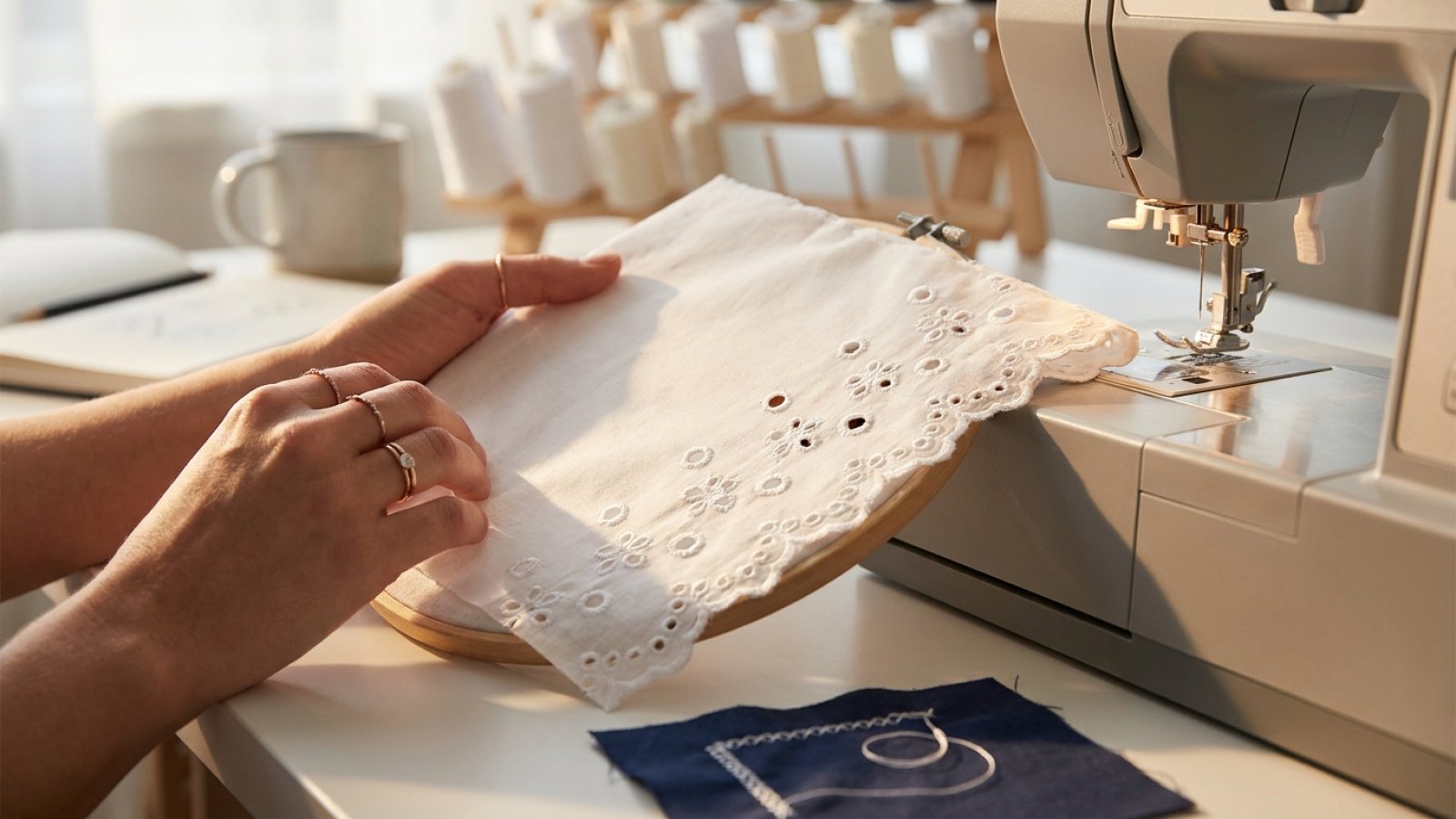
Broderie anglaise is a whitework style built around eyelets, small cut openings and embroidered edges. Traditionally it is worked on white cotton, often with floral or scalloped motifs.
The process usually involves:
- Marking the design.
- Stitching around circles, petals or shapes with dense stitching.
- Cutting or piercing the centre openings.
- Finishing edges neatly so the holes look intentional and clean.
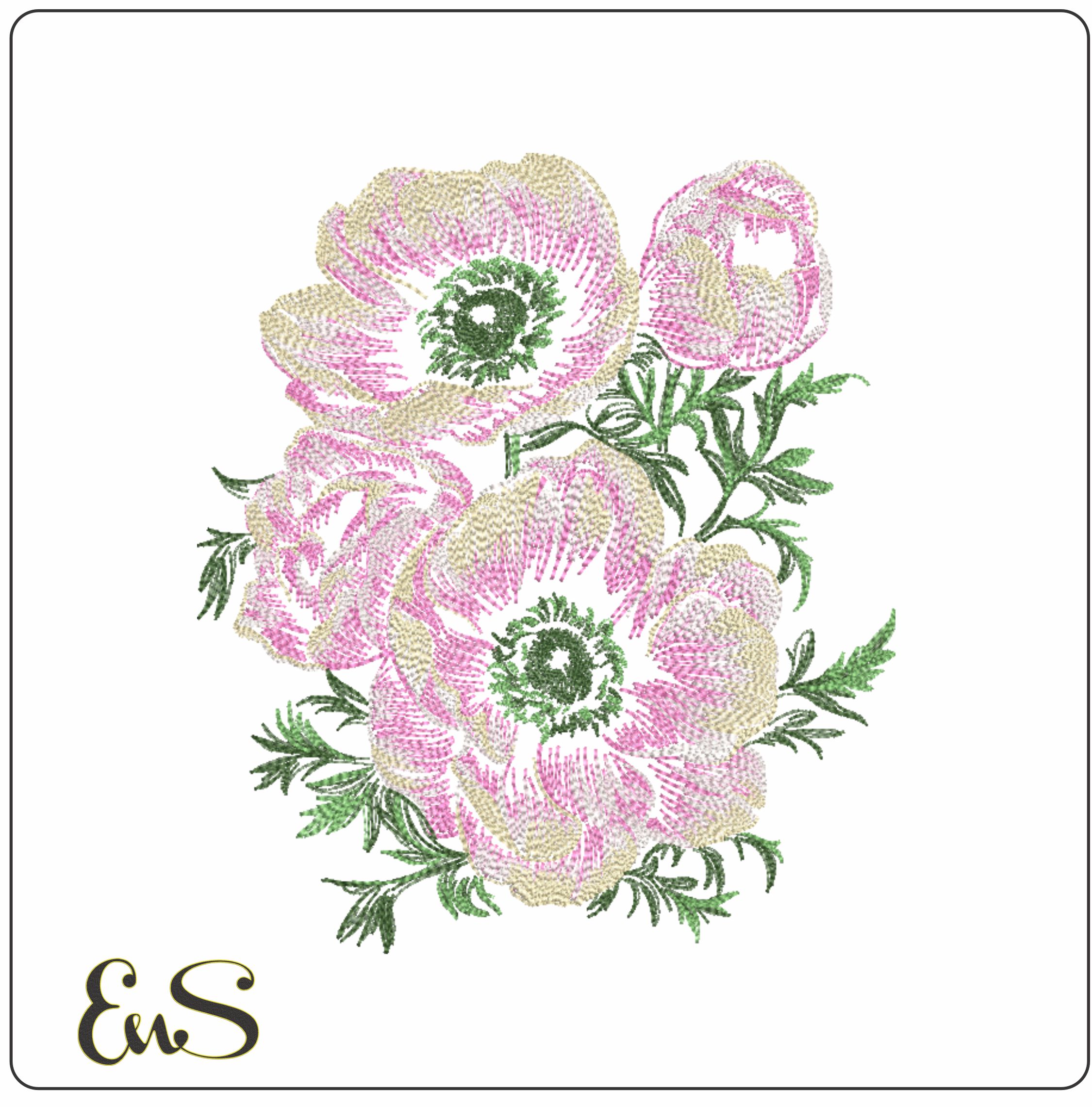
For broderie anglaise machine embroidery, the machine can stitch the securing outlines, but the cutting step still needs care. Some digitised cutwork designs are made for this purpose, though they require precise trimming and appropriate stabiliser. A simple floral such as Pink And White Peomy Line Art can also give a similar airy, heirloom feel without full cutwork.
Can you do traditional whitework on a standard sewing machine?
Yes and no.
A standard sewing machine can help you create a white-on-white look using satin stitch, zigzag, appliqué-style cut openings and decorative stitches. It is perfectly suitable for many white on white embroidery patterns in a modern sense.
However, true traditional whitework techniques such as fine Mountmellick-style padding, drawn thread and some hand eyelets are still better by hand if you want authenticity and control.
For most buyers and hobbyists, a regular embroidery machine or sewing machine can absolutely produce beautiful white embroidery. It just will not replace every historic technique exactly.
How to transfer designs onto delicate white fabric without staining it
This matters because white fabric shows every mark.
Safest options:
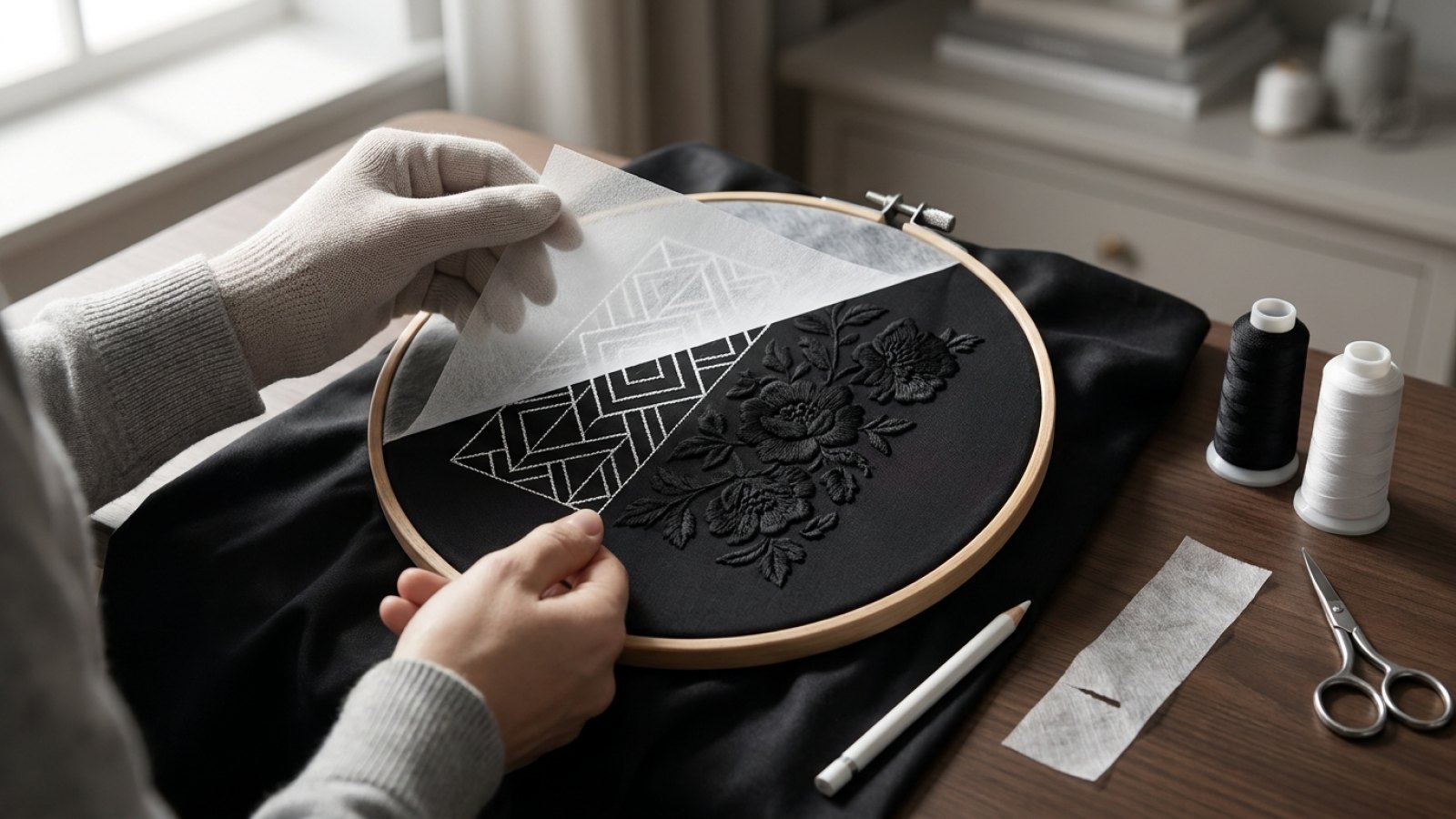
- Water-soluble topper or film with the design printed or traced onto it
- Wash-away transfer pens tested first on a fabric scrap
- Lightbox or window tracing with a very fine pencil designed for fabric, used sparingly
- Basting box or placement stitch if using an embroidery machine
Avoid heavy graphite, ordinary biro, and bargain heat-transfer pens unless you have tested them thoroughly. Some marks can yellow over time or become permanent after pressing.
If the fabric is especially delicate, float it over the stabiliser where appropriate instead of over-handling the cloth during marking.
How to prevent bobbin thread from showing on top
One of the most common searches around machine embroidery white thread is why the bobbin starts peeping through. On white designs this can still be visible, especially if the bobbin is a different tone or texture.
Common causes and fixes:
- Top tension too tight: reduce the upper tension slightly.
- Bobbin tension too loose: check the bobbin case and tension balance.
- Needle too small, blunt or wrong type: fit a fresh embroidery needle suited to the fabric.
- Poor digitising or too much density: dense satin columns can pull the bobbin upward.
- Hooping and stabiliser issues: fabric movement disrupts stitch formation.
- Thread path problem: rethread completely with presser foot up.
If white bobbin thread is showing on top, treat it as a tension, needle or stabilising problem first — not just a thread problem.
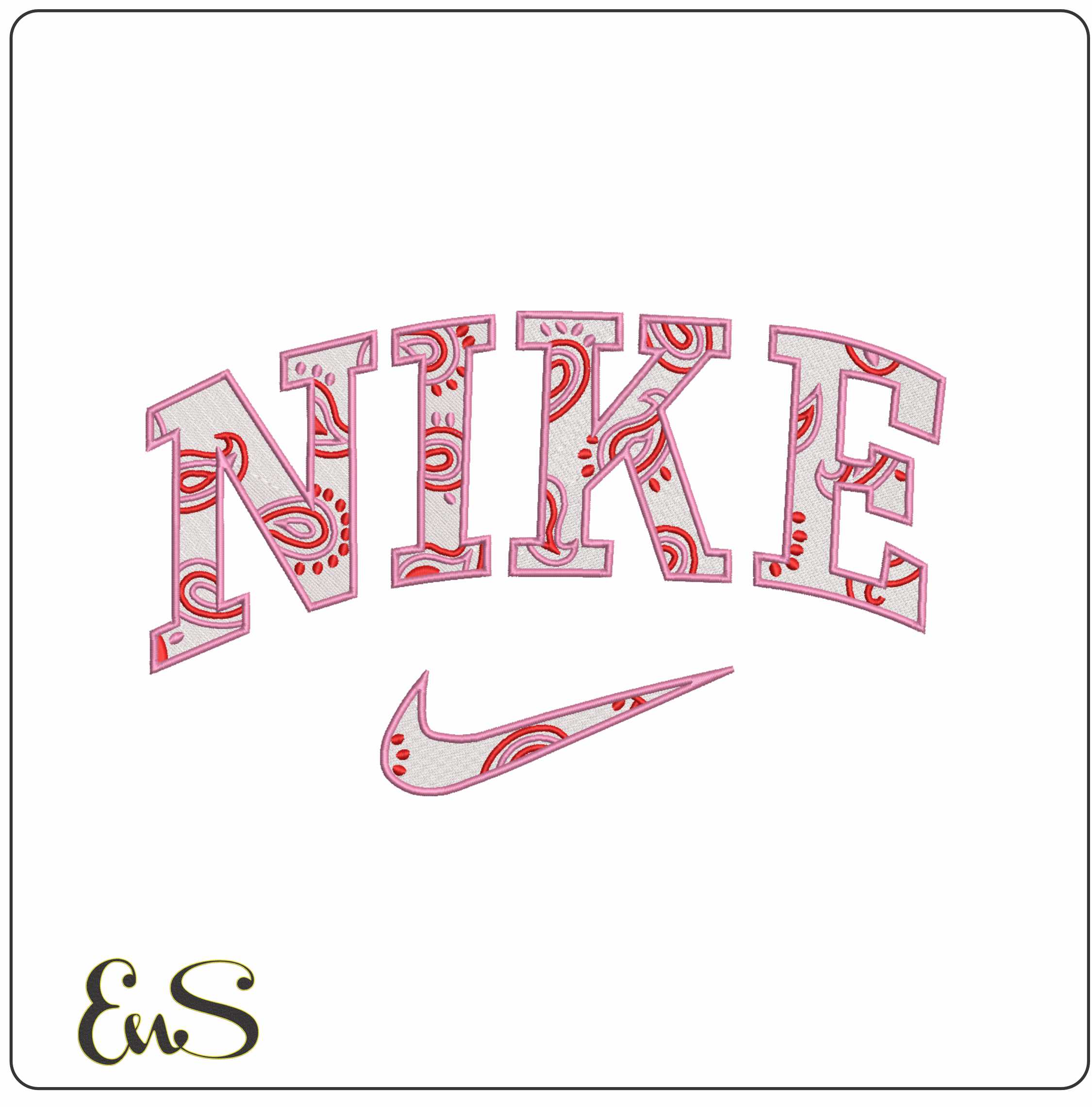
For bold white motifs on darker fabrics, clean outlines matter even more. A sporty fill design such as Nikefill White or the sharp contrast of Nike Snow White Outline will only look crisp if tension and density are balanced.
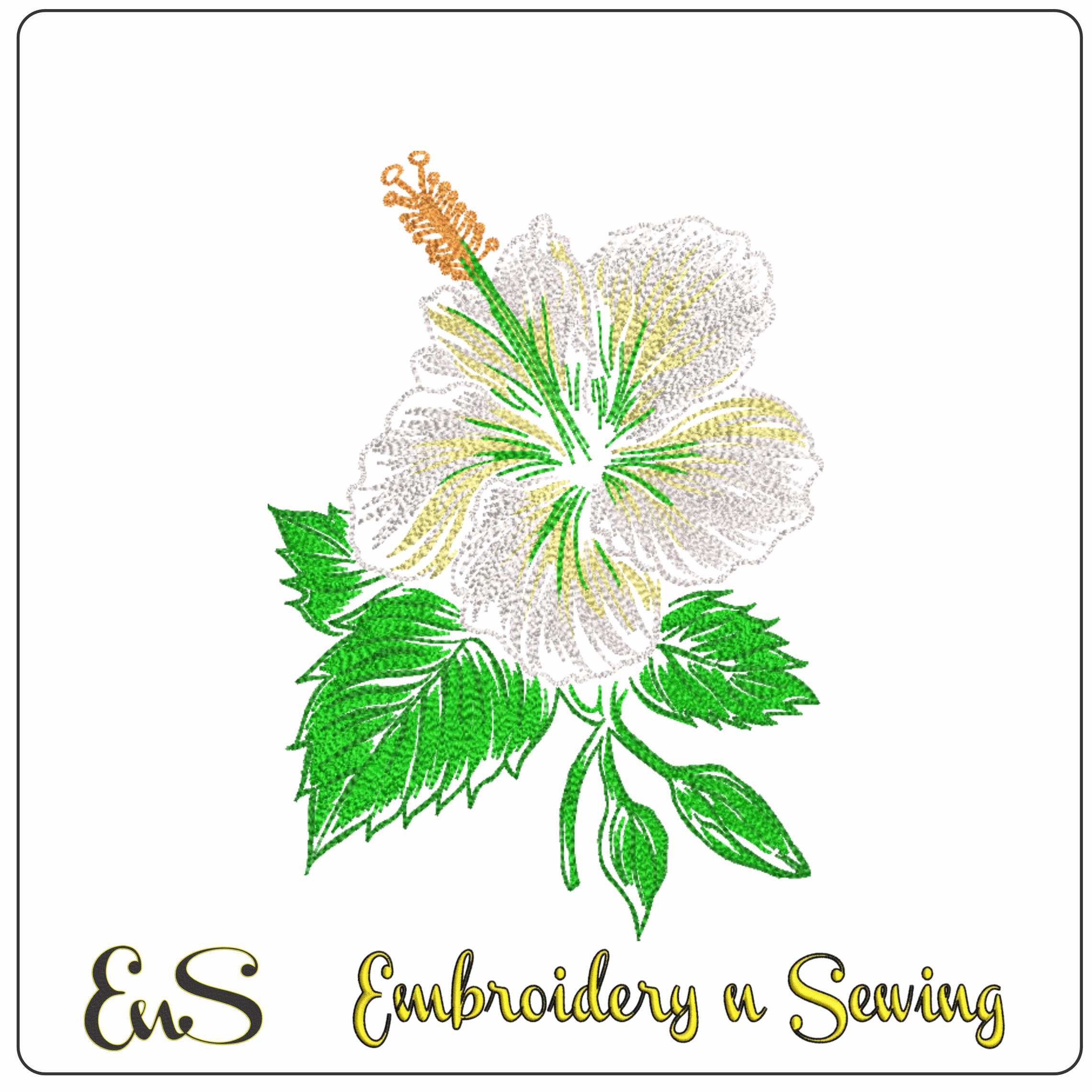 Embroidery designWhite HibiscusView this design →
Choosing designs that work well in white
Not every motif reads well as white on white. The best designs usually have:
- clear outlines
- shape contrast
- open areas
- layered texture rather than packed detail
Good examples from a mixed catalogue include:
- floral linework like White Hibiscus
- high-contrast outline art such as South Carolina Gamecocks White Outline V2
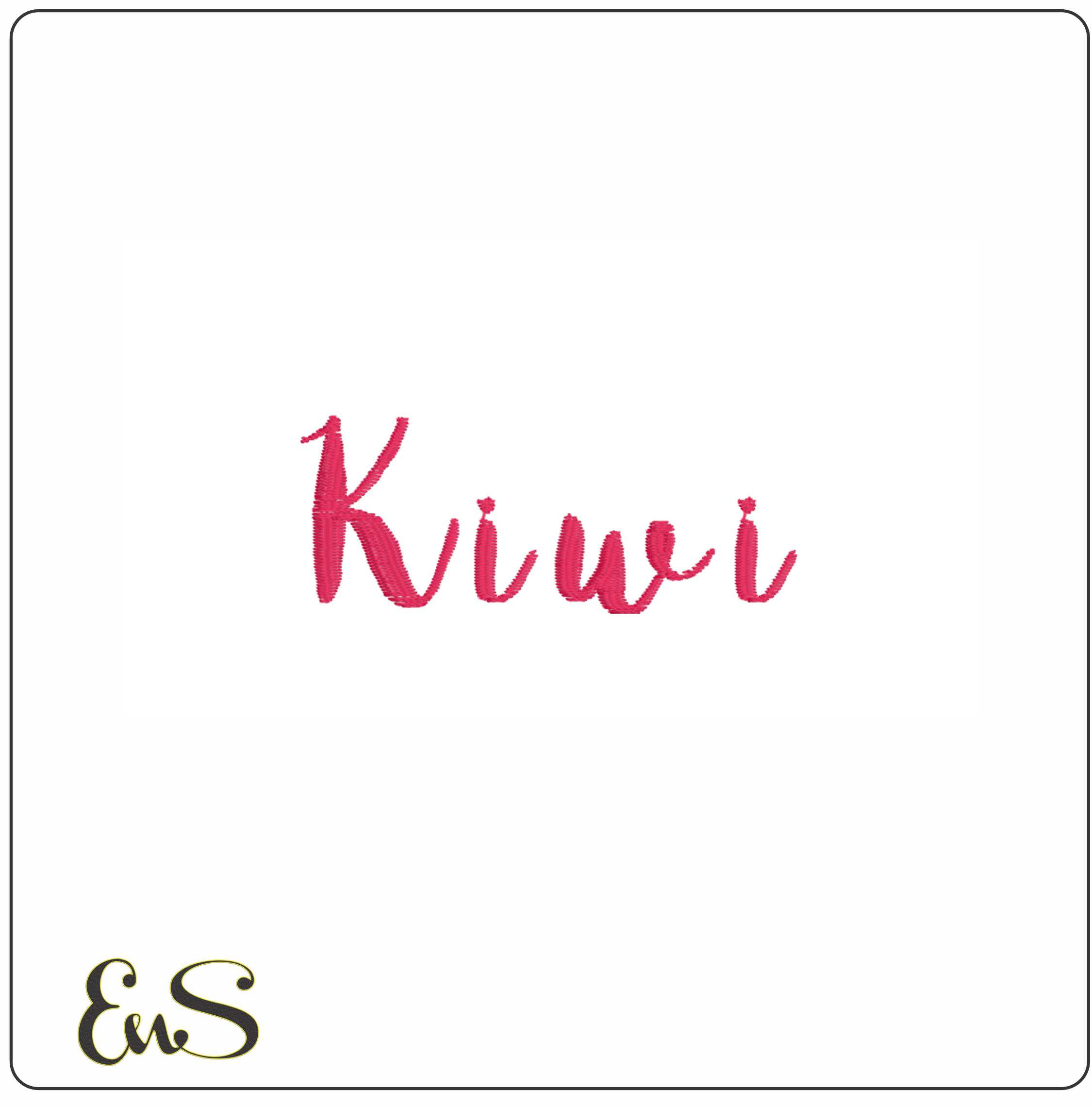
- minimal icons and small nature motifs such as Kiwi Embroidery
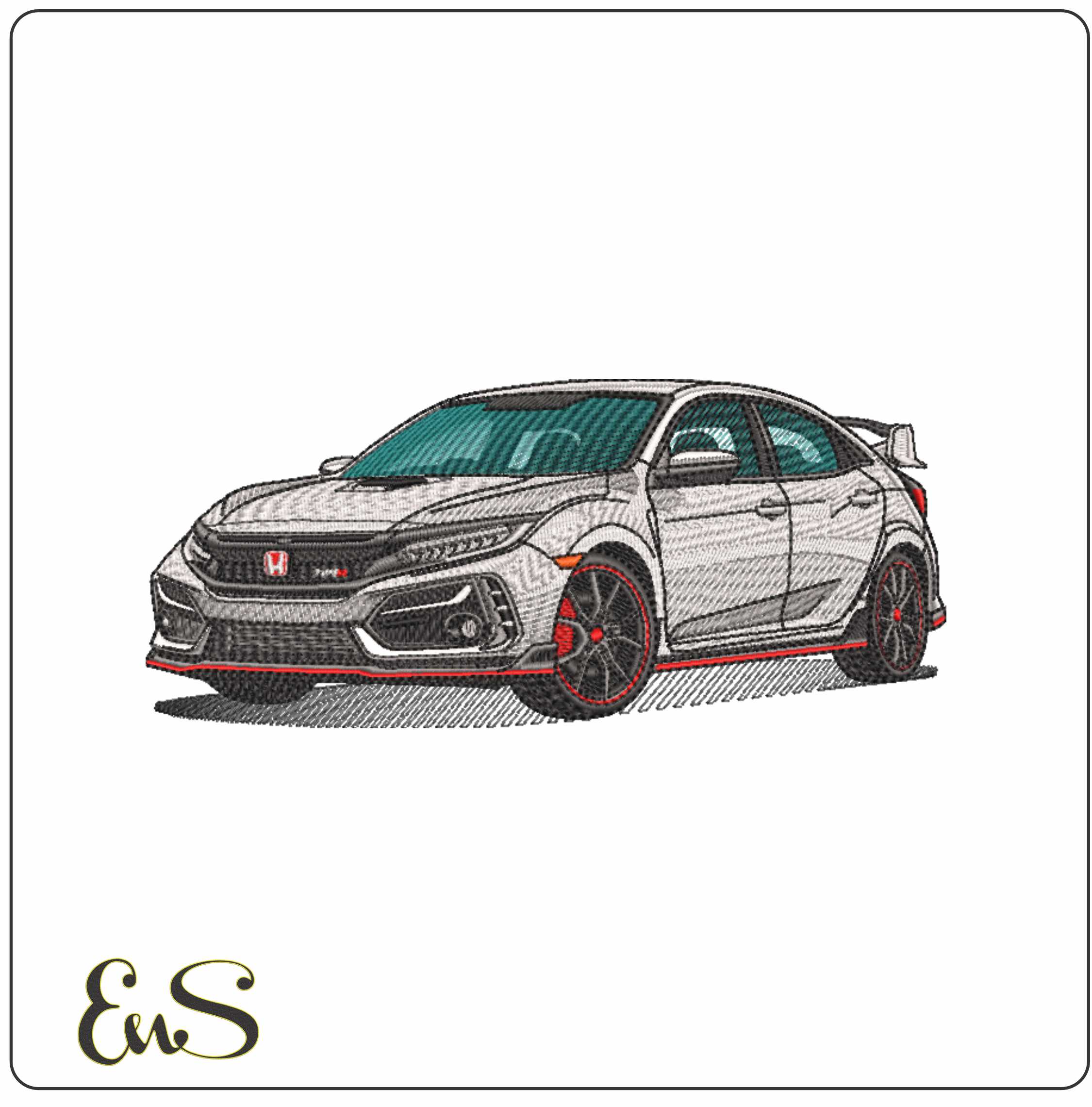
- white-led graphic themes like Honda Civic Type R White
If you want a playful use of white thread rather than traditional whitework, designs with naturally white subjects can be effective too, such as 101 Dalmatians embroidery designs.
Practical setup tips for better white embroidery
For white on white
- Use a thread with enough contrast in sheen, not colour.
- Lower design density slightly on fine fabric.
- Choose stabiliser that supports without making the fabric board-like.
- Let texture do some of the visual work: satin, bean stitch, candlewick-style dots and trapunto-inspired padding all help.
For white thread on dark fabric
- Use a proper underlay so the white thread stays bright.
- Consider a knockdown stitch on textured fabrics.
- Slow the machine slightly for long satin sections.
- Test whether one extra top layer improves coverage before increasing density too far.
Can whitework patterns be stitched in coloured threads?
Yes. Traditional whitework is historically white thread on white fabric, but the same stitch structures can be worked in ivory, ecru, pastel or even strong colours. Once you move away from white on white, it is no longer “whitework” in the strictest sense, but the design approach still works beautifully.
That can be useful if you like the airy structure of whitework but need more visibility. Team and logo styles, for example, often borrow the clarity of outline-based embroidery even when used in school or club palettes, such as Alabama Crimson Tide embroidery designs.
Washing and caring for hand or machine-embroidered whitework
White embroidery needs gentler care than many coloured pieces because yellowing, detergent residue and distortion show quickly.
Best practice:
- Wash in cool to lukewarm water with a mild detergent.
- Avoid bleach unless the thread and fabric are known to be safe for it.
- Do not rub raised embroidery aggressively.
- Rinse thoroughly; residue dulls white thread.
- Reshape while damp and dry flat where possible.
- Press from the back on a towel to protect texture.
- Store fully dry, away from direct sunlight and cardboard that may transfer acids.
For heirloom handwork, handwashing is safest. For durable machine-embroidered garments, a mesh bag and gentle cycle may be acceptable, but always test your materials first.
Final thought: texture matters more than colour in white embroidery
The reason white embroidery remains popular is that it does not rely on bright colour to make an impression. It relies on light, shadow, stitch direction and clean finishing. Whether you are exploring white on white embroidery patterns pdf, looking for ideas inspired by machine embroidery whitework designs free, or simply choosing a design that uses white thread effectively, the same rule applies: pick the right fabric, stabilise properly, and let the stitch structure show.
That is what turns white embroidery from “plain” into polished.