
There's something almost magical about turning a plain piece of fabric into a beautiful work of art with just a needle and thread. If you've been scrolling through embroidery projects online and thinking "I wish I could do that," we have great news: you absolutely can, and it's easier to get started than you might think.
The hardest part for most beginners isn't the actual stitching. It's figuring out where to begin. That's exactly why we put together this guide to the best embroidery kits for beginners. These kits take all the guesswork out of getting started by bundling everything you need into one convenient package.
In this post, you'll discover our top picks for beginner-friendly embroidery kits, what to look for when choosing one, and why certain kits stand out from the rest. Whether you're looking for a relaxing new hobby, a creative outlet, or a fun weekend project, the right kit can make all the difference. So grab a cup of tea, get comfortable, and let's find the perfect kit to kick off your embroidery journey! [
What Makes a Good Beginner Embroidery Kit?](/articles/custom-embroidery-at-home-the-ultimate-guide-for-beginners)
Not every embroidery kit is created equal, and when you're just starting out, the wrong one can turn an exciting new hobby into a frustrating afternoon. Here's what to look for before you buy.
Thread Quality and Color Count
The thread inside your kit matters more than you might expect. Look for kits that include six-stranded cotton embroidery floss, specifically mercerized cotton, because it's smooth, colorfast, and forgiving on beginner hands. The six-strand construction is genuinely useful: you can separate the strands to create thinner lines or keep them together for bolder coverage, all without buying new materials. A good starter kit should include at least 6 to 8 pre-sorted colors so you have enough variety to bring a design to life without drowning in options. Colorfast thread also matters because dye bleed on your first project is a demoralizing surprise that's entirely avoidable.
A 6 to 8 inch round hoop is the sweet spot for beginners. It's large enough to hold a meaningful design, but small enough to keep fabric taut without wrestling with it. The fabric itself matters just as much as the hoop. Tightly woven options like Aida cloth or quilting-weight cotton are the most forgiving surfaces for learning consistent stitch tension. Stretchy or knit fabrics make even tension nearly impossible, so avoid those entirely at first. Pre-washing your fabric before you start is also worth the extra step; it prevents unexpected shrinkage or puckering once your finished piece is framed or washed.
 Embroidery designName TypeView this design →
The best beginner patterns limit you to three or four stitch types, typically the running stitch, backstitch, satin stitch, and French knots. Designs with clearly separated motifs and small, discrete areas let you master one stitch at a time without confusion about where one section ends and another begins. Aim for patterns you can realistically finish in a single sitting. Early wins build the muscle memory and confidence that make you want to keep going.
Instruction Format
Printed or downloadable step-by-step guides with illustrated diagrams are genuinely better for beginners than video-only tutorials. When your hands are full of a hoop and needle, being able to glance at a reference beside you beats pausing and scrubbing through a video. A compact printed booklet that travels with your project is a small detail that makes a real difference. You can find plenty of community guidance and project inspiration on platforms like Reddit's embroidery community if a kit's included instructions leave gaps.
Stitch Count as a Complexity Signal
Here's a concept that feels more relevant once you move beyond hand embroidery kits, but it's worth planting early. In machine embroidery, stitch count is the standard measure of design complexity, and beginner-appropriate digital files typically run under 10,000 stitches. The same logic applies to hand embroidery kits: simpler designs with fewer filled areas are faster, less frustrating, and better suited to building your skills. When you eventually graduate to digital embroidery files, understanding stitch count helps you choose designs that match your machine's capabilities and your patience level. Browsing Amazon's bestselling embroidery kits can also give you a quick benchmark for what complete beginner kits typically include at popular price points.
## Best Hand Embroidery Kits for Beginners in 2026
Whether you want to stitch tonight or build a proper foundation for a long-term hobby, the kit format you choose makes a real difference. Here are the five best types of hand embroidery kits for beginners to consider in 2026.
1. Downloadable Pattern Bundles from Embroidery n Sewing
If you already own a hoop and some thread, or you simply do not want to wait for a package to arrive, a downloadable pattern bundle is the fastest way to get stitching. Embroidery n Sewing offers beginner-friendly digital design collections spanning seasonal themes, florals, and nature motifs, so you can print your pattern, transfer it onto fabric, and start your first project the same day you buy it. No shipping window, no waiting around. The files pair naturally with a basic 6-inch wooden hoop and standard six-strand embroidery floss, which you can pick up at any craft store for just a few dollars. This format is especially useful if you want to try a few different design styles before committing to a full physical kit, because the cost per pattern stays low and the variety is broad.
2. Mindfulness-Oriented Floral Kits
Standalone floral kits built around pre-printed linen fabric, a wooden hoop, and a needle threader have become one of the most popular beginner formats in 2026, and the market data backs that up completely. The hand embroidery segment is projected to grow from $1.63 billion in 2025 to $2.95 billion by 2035, nearly doubling over a decade, and the slow fashion and wellness movements are a major driver of that growth. Consumers are actively looking for crafts that feel intentional and calming rather than rushed, and a floral kit with soft colour palettes, linen fabric, and step-by-step instructions fits that mood perfectly. Brands in this space often use language around mindfulness and slow crafting deliberately, positioning embroidery as a wellness practice rather than just a creative output. For a beginner, these kits tend to be very well packaged, meaning everything you need is included and nothing feels overwhelming when you open the box.
3. Character and Animal Pattern Kits
Cartoon-style and animal-themed designs on pre-stamped fabric are currently the fastest-selling beginner kit format, and they align directly with what Etsy's 2026 trend report calls the "Soft Stitch Era," the dominant aesthetic shift of the year toward handcrafted texture, soft line art, and intentional placement. Think baby penguins, illustrated florals, and simple woodland creatures rendered in clean outlines on fabric that is ready to stitch straight out of the packaging. The pre-stamped format removes one of the biggest beginner barriers entirely, because you do not need to trace, transfer, or print anything. You just thread your needle and follow the lines. Character-style beginner kits are generating strong social engagement too, with millions of views accumulating under #EmbroideryForBeginners on Reels and Shorts throughout 2026. If you want a kit that feels fun and low-pressure from the first stitch, this is the category to explore.
4. Sampler Kits That Teach Multiple Stitches
A stitch-along sampler kit is genuinely the smartest investment for any beginner who plans to keep embroidering past their first project. Rather than producing one finished piece, these kits walk you through running stitch, stem stitch, chain stitch, and satin stitch in sequence, building a reusable skill set you can apply to every future project you ever attempt. Some sampler kits, like the structured beginner formats reviewed here, teach as many as 50 individual stitches on a single piece of pre-printed fabric. When you are evaluating sampler kits, look for one that includes written stitch instructions alongside visual diagrams, because diagrams alone can be hard to follow when you are learning tension and direction for the first time.
5. UK vs. US Kit Sourcing Considerations
Where you buy your kit affects more than just shipping time; it shapes which thread brands you will be working with and what happens when you need to reorder supplies later. UK-based kit bundles tend to include DMC and Anchor thread as the default, both of which use a widely recognised numbering system that makes colour matching straightforward. US buyers more commonly encounter Sulky and Coats and Clark thread in their kits. Neither is better or worse for a beginner project, but thread brand matters the moment you run out of a colour mid-project or decide to transition toward machine embroidery, since machine thread weights and spool formats differ from hand embroidery floss. Standard six-strand divisible floss is what most beginner kits include, and it is worth noting that distinction before you accidentally buy perle cotton or machine embroidery thread as a replacement.
The Step Most Beginner Guides Skip: Machine Embroidery
Most beginner guides spend a lot of time on hand embroidery kits, and for good reason. They're affordable, portable, and genuinely relaxing. But almost every guide skips a critical fork in the road: the moment when hand embroidery stops being enough.
Hand Embroidery vs. Machine Embroidery
Hand embroidery is a needle, a hoop, some floss, and your time. You can pick it up for under $20 and stitch anywhere. It's meditative, tactile, and wonderfully slow. Machine embroidery works completely differently. A computerized embroidery machine reads a pre-programmed digital design file and stitches it automatically, handling the placement, order, and color sequencing for you. You trade manual control for speed, precision, and the ability to reproduce the same design perfectly every single time. These aren't competing hobbies so much as two different tools for two different goals.
What Is a Machine Embroidery File, Exactly?
Here's where beginners get confused, so let's clear it up immediately. A machine embroidery file is not a picture you download and print. It's not a JPEG or a PNG. Think of it more like a recipe or a set of GPS coordinates. Files like PES, DST, and JEF contain exact stitch-by-stitch instructions telling your machine's needle where to go, in what sequence, and in which thread color. The machine reads those coordinates and follows them precisely, one stitch at a time. There's no interpretation involved, which is why the same design comes out looking identical whether you stitch it once or fifty times.
DST, PES, and JEF: Which Format Do You Actually Need?
File formats exist because different machine manufacturers developed their own standards, and picking the wrong one causes real problems. According to Top 10 Embroidery File Formats You Must Know, choosing an incompatible format can lead to errors and unsatisfactory results, which is a frustrating way to discover the issue. Here's the plain-English breakdown:
- DST is a near-universal format developed by Tajima and readable by most commercial machines. The catch is it doesn't store color information, so you'll pause mid-stitch to change threads manually.
- PES is the native format for Brother and Baby Lock machines. It includes color data, which simplifies setup considerably. It's also the most common format among home hobbyists right now.
- JEF is Janome's native format, supported across their entry-level lineup.
The good news for beginners is that embroiderynsewing.com provides multiple format options for each design, so if you own a Brother or Janome machine, you download the right file directly without needing to convert anything manually.
Who Should Go Straight to Machine Embroidery?
If your goal is personalizing team apparel, embroidering gifts, decorating hats, or customizing clothing beyond a single one-off project, you will hit the ceiling of hand embroidery faster than you expect. A physical kit doesn't scale. A machine paired with a $3 to $5 digital design file absolutely does. The math becomes obvious quickly: stitching the same logo by hand five times takes hours; a machine repeats it in minutes with identical results each time.
Which Machines Should Beginners Look At?
Entry-level Brother machines (Brother PE900, SE700, SE2000) and the Janome Memory Craft 550E sit in the $200 to $500 range and represent the most purchased beginner machines in 2026. Brother machines use PES format; Janome machines use JEF. That makes PES and JEF the two formats worth prioritizing when you browse any design download store. Before you buy a design file, simply confirm your machine brand and download the matching format. It takes ten seconds and saves a lot of confusion later.
Beginner-Friendly Machine Embroidery Designs Worth Starting With
Once you have a machine and your files are loaded, the next question becomes: which design do you actually run first? The answer matters more than most guides admit. Picking the wrong first project, something too complex, too dense with stitches, or just not that interesting to you, is one of the fastest ways to lose momentum before the hobby even gets started. Here are five categories worth starting with, and why each one works specifically for beginners.
Sports and NFL Team Logo Designs
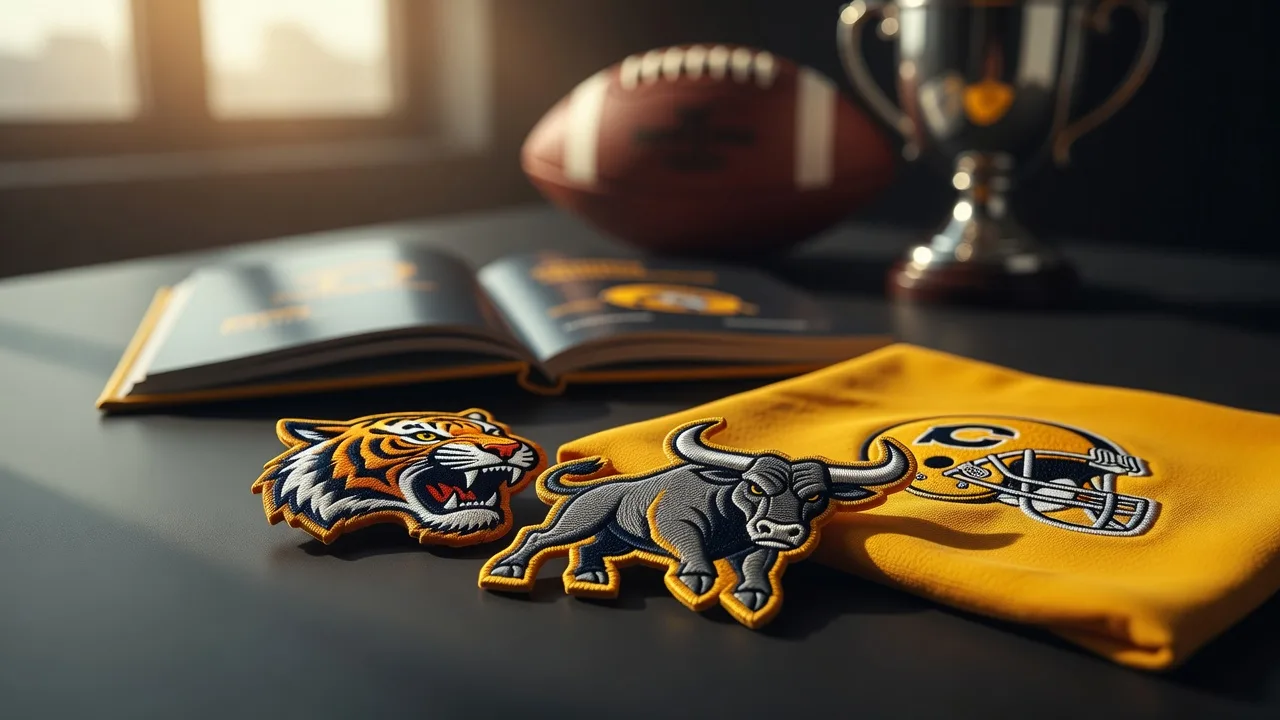
Starting with a team you already love is a cheat code for staying motivated. When the end result is a hoodie with your favorite NFL team's logo or a hat with your college's athletic mark, you have a personal reason to push through the learning curve. The sports design catalog at Embroidery n Sewing covers NFL teams, college athletics, and university logos in file formats sized for standard beginner hoops, typically 4x4 and 5x7. From a technical standpoint, sports designs also tend to be forgiving: bold graphic shapes, high-contrast color blocks, and team wordmarks are chunky enough that minor thread tension variations are nearly invisible in the finished piece. That combination of personal investment and technical forgiveness makes sports designs a genuinely smart first choice, not just a fun one.
Anime and Cartoon Designs for Pop-Culture Fans
If sports aren't your thing, anime and cartoon designs are the next best entry point, especially for younger beginners or anyone drawn in by pop-culture fandom. The technical reason they work so well is that character-style designs typically rely on outline stitching and clean line art rather than dense fill sections. Lower stitch counts mean faster run times, fewer chances for stabilizer problems to compound, and much easier thread management overall. Designs under roughly 8,000 stitches are generally considered beginner-friendly, and most cartoon-style files land well within that range. The aesthetic bonus is that this style maps directly onto one of the biggest embroidery trends of 2026: minimalist line art. So your first project ends up looking current and intentional rather than like a practice run.
Seasonal and Holiday Designs for Gift-Motivated Beginners
A huge percentage of people who pick up machine embroidery do it specifically because they want to make personalized gifts. If that describes you, seasonal and holiday designs are your best friend because they come with a built-in deadline. Committing to a Christmas ornament set or a set of Halloween tote bags by a specific date gives you external accountability that a vague "I'll practice someday" project never will. Seasonal designs, whether Christmas, Halloween, spring florals, or Valentine's Day themes, are also typically simple, symbolic, and single-color-dominant. The Embroidery n Sewing catalog covers all of these categories with downloadable files you can run immediately. Finishing a small holiday gift in your first few sessions produces a sense of accomplishment that keeps the hobby alive past the initial excitement.
Nature and Floral Motifs for the Slow-Fashion Beginner
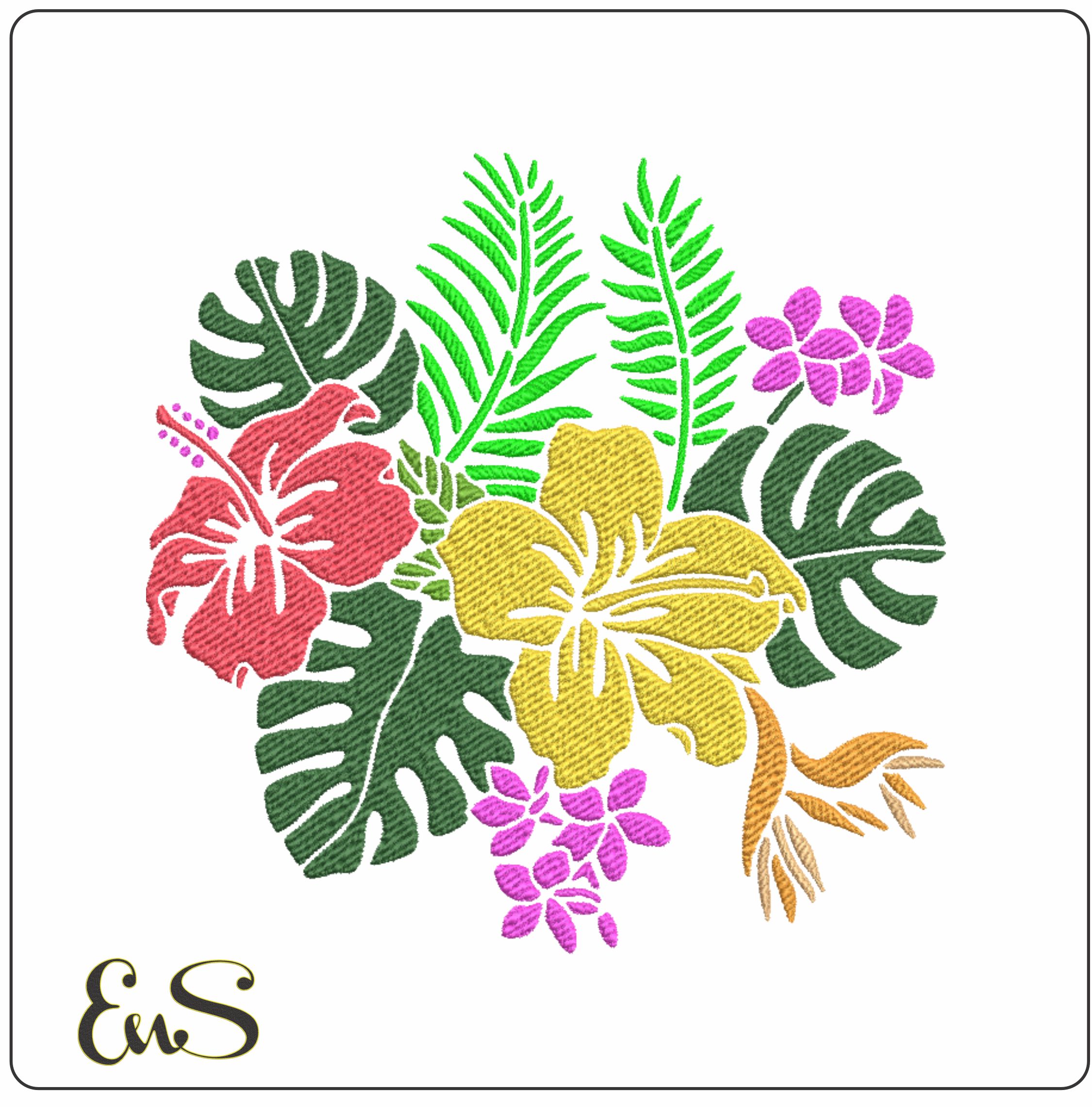
If you found embroidery through the wellness or slow-fashion community, the nature and botanical categories will feel immediately at home. Oversized florals and tone-on-tone botanical designs are among the top embroidery trends identified for 2026, sitting right at the intersection of the sustainability aesthetic and what actually looks beautiful stitched on linen or organic cotton. These designs tend to use flowing, organic shapes that are visually forgiving even when stitch density varies slightly, which happens on early runs. For anyone arriving with a slow-fashion mindset, these aren't compromise projects. They are exactly the aesthetic you were looking for.
Machine Embroidery Fonts and Monogram Files
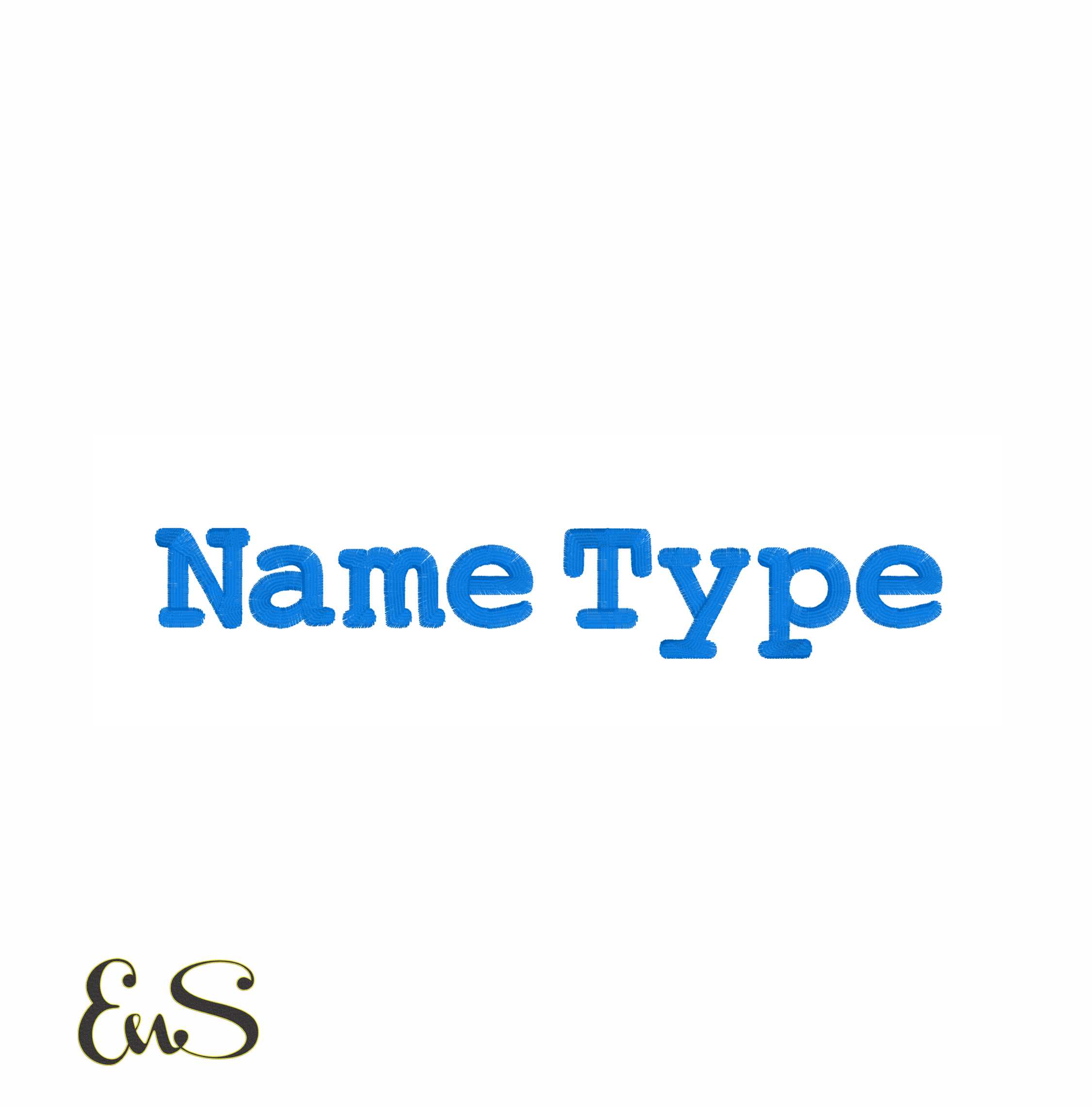
Monogram and font files are consistently underestimated as beginner projects, and that is a mistake worth correcting. A single initial stitched on a towel, a name on a tote bag, or a clean two-letter monogram on a cap is achievable in a first session and reads as polished the moment it's done. Text-based designs also tend to have manageable stitch counts and predictable run behavior, making them technically straightforward. The retro Y2K typography style trending strongly in 2026 makes font choices feel current and fashion-forward rather than generic. Individual monogram files are available at very accessible price points, keeping the financial barrier low while you build confidence. It is one of the fastest paths from "complete beginner" to "finished product I actually want to use."
Beginner Embroidery on a Budget: What Things Actually Cost
Let's talk numbers, because budget clarity is one of the best gifts you can give yourself before diving into a new hobby.
Physical hand embroidery kits span a wider price range than most beginners expect. At the lower end, you'll find kits retailing around $15 to $20, which typically include a small hoop, limited thread colors, and a basic pattern. Step up to the $25 to $40 mid-range and the quality jump becomes immediately noticeable: better thread, more color options, and patterns with enough variety to keep you engaged past your first project. Premium kits can reach $60 or more, usually justified by larger hoops, specialty fabrics, or elaborate pattern designs. For most first-time buyers, that sweet spot between $25 and $40 offers the most honest value without overspending on features you may not need yet.
Digital design file downloads work on completely different economics. Individual machine embroidery design files on embroiderynsewing.com are priced in the impulse-purchase range, typically $2 to $5 per file. You get an immediately usable digital asset with zero shipping wait and no physical packaging to deal with. That pricing makes it genuinely easy to build a small starter library for under $25.
The honest startup cost for machine embroidery is higher upfront, and it's worth being straight about that. An entry-level embroidery machine runs between $200 and $500 for home hobbyists. Add five to ten design files at $3 to $5 each, and you're looking at a total starting investment that dwarfs a $30 hand kit. But the per-project math shifts quickly in your favor. A single machine can execute hundreds of designs, and every file you purchase is reusable indefinitely. The upfront cost is a one-time hurdle, not a recurring one.
Here's the assumption that stops most beginners cold: they hear "machine embroidery design" and mentally price it at custom digitizing rates, which can run $50 to $150 per design from a professional service. Ready-made download libraries break that assumption entirely. You're paying for a file that already exists, not for someone to create artwork from scratch. The difference is enormous, and knowing it removes the single biggest hesitation for new machine embroiderers.
Thread and stabilizer are the two costs most kit guides quietly skip. Budget $15 to $30 for a starter thread set and $10 to $20 for cut-away or tear-away stabilizer before your first machine project. These are consumables, meaning you'll restock them over time, so factoring them in from the beginning keeps your budget honest. Choosing the wrong stabilizer also leads to project waste that quietly adds up, so getting a basic working supply early is genuinely a cost-saving move.
2026 Embroidery Trends Every Beginner Should Know
Here's something worth knowing before you dive in: embroidery is not just having a moment. According to Etsy's 2026 trend report, we are officially living in the Soft Stitch Era, a category-wide cultural shift toward handcrafted texture and intentional, placement-driven design. That means if you are a beginner picking up a hoop or threading a machine right now, you are not playing catch-up. You are right on time.
Here are the five biggest embroidery trends shaping 2026, and what each one means for someone just getting started.
1. The Soft Stitch Era Is Your Moment
The Soft Stitch Era is not just a catchy label. It reflects a genuine consumer turn toward handmade aesthetics, slow fashion values, and visible craft. Beginner-made work, with its natural variation and human touch, fits this trend perfectly. You do not need polished, production-level results to be on trend. Intentional and textured is exactly the look people want right now.
2. 3D Puff Embroidery on Structured Hats
This is one of the highest-demand looks of 2026. 3D puff embroidery uses foam placed beneath the stitching to create a raised, dimensional effect, and structured baseball caps are the most popular item to stitch it onto. The good news for beginners is that this technique is achievable on entry-level machines when you use the right design file. You do not need to engineer the effect yourself; the file does the work.
 Embroidery designHawaii Flowers- Elegant embroidery design file - instant downloadView this design →
Both of these styles are genuinely beginner-friendly because they typically involve lower stitch counts. Fewer stitches mean less machine time, less thread, and a smaller margin for error on your early projects. Oversized florals are particularly well-represented in nature and seasonal design categories, which also happen to align with the slow fashion motivations bringing many new crafters into embroidery in the first place.
4. Retro Y2K Typography
Font-based and text-driven designs are having a serious moment right now, and this is one of the lowest-barrier trends a beginner can tap into. Pre-digitised font libraries covering both classic and retro script styles let you produce on-trend results without any design skill or digitising knowledge. The machine embroidery font library at embroiderynsewing.com covers both classic and retro script options that map directly onto this aesthetic, so you can stitch something that looks intentionally stylish on your very first text project.
5. Metallic and Iridescent Thread Effects
Metallic thread is showing up everywhere in 2026, from seasonal gifting projects to statement apparel pieces. It does require a little more care than standard thread, specifically around needle size and tension settings, but it is increasingly achievable on entry-level machines. Treat it as a goal for after your first two or three practice runs rather than your very first project, and the payoff is a genuinely premium-looking finish that is hard to achieve any other way.
Frequently Asked Questions About Embroidery Kits for Beginners
What embroidery kit should a complete beginner buy?
A mid-range hand embroidery kit in the $25–$40 range is the smartest starting point for most beginners. Look for one that includes pre-stamped fabric, a quality wooden hoop, stranded cotton threads in multiple colors, and printed stitch instructions. Pre-stamped fabric is the real game-changer here because it removes the need to transfer a design yourself, which is one of the most frustrating steps for first-timers. That combination keeps your focus on learning actual stitches rather than troubleshooting setup.
What is the easiest machine embroidery file format for beginners?
PES is the format you want. It is the native file type for Brother machines, which happen to be the most popular entry-level embroidery machines on the market. Using a mismatched format means your file simply will not load, so starting with PES removes that headache entirely. Every design in the embroiderynsewing.com catalog is available in PES, so you can browse and download without worrying about compatibility. If you want a visual walkthrough of the whole download-to-machine process, this step-by-step video guide covers exactly how to transfer files from your computer to your machine.
Can a beginner embroider their favorite team's logo?
Absolutely. Ready-made machine embroidery design files sized for a standard 4x4 or 5x7 hoop make this completely beginner-accessible. The sports catalog at embroiderynsewing.com includes NFL, college, and university designs already formatted for the entry-level machines beginners most commonly own, so there is no resizing or reformatting required.
How long does a beginner embroidery project take?
A simple hand embroidery design typically takes 2–5 hours for a first-time stitcher. For machine embroidery, a design file with under 10,000 stitches usually runs in 20–45 minutes once you are hooped and set up. Most of your early time investment goes into the setup process, not the stitching itself.
Do I need special software to use downloadable embroidery files?
No software needed. Files from embroiderynsewing.com are already digitized and formatted, ready to move directly to your machine via USB or memory card. The only step that matters is confirming your file format matches your machine brand before purchasing.
Start Stitching: Choosing Your Path as a Beginner Embroiderer
The right starting point depends entirely on what's pulling you toward embroidery in the first place. If you're drawn to the meditative, slow-craft appeal of stitching by hand, a mid-range hand embroidery kit in the $25–$40 range is your best first move. If your motivation is personalizing a jersey, creating a custom gift, or stitching your favorite team's logo onto a hat, skip ahead and look seriously at machine embroidery paired with a $3–$5 digital download.
Machine embroidery has one non-negotiable first step: confirm your file format before downloading anything. Brother machines use PES, Janome machines use JEF, and most other brands run DST. Downloading the wrong format means the design simply won't load. Also keep your first project's stitch count under 10,000; lower counts mean faster run times and fewer chances for tension or hooping errors. This beginner machine embroidery guide breaks down the technical side clearly if you need more detail.
Timing matters too. Between minimalist line art, oversized florals, and fandom personalization sitting at cultural peak demand in 2026, whatever style you're drawn to has a ready audience and plenty of design support behind it.
Browse embroiderynsewing.com across its sports, anime, seasonal, and font collections to find a first project that actually reflects what you care about. That personal connection is what keeps beginners stitching past the first project.
Conclusion
Starting your embroidery journey has never been easier, and the right beginner kit makes all the difference. To recap the key takeaways: look for kits that include all essential tools, choose designs that match your skill level, prioritize clear instructions, and don't be afraid to start simple.
Embroidery is a skill that grows with practice, and every stitch you make builds confidence for the next project. The kits we've highlighted give you a solid foundation without the overwhelm of sourcing supplies yourself.
Ready to pick up your first needle and thread? Browse our top kit recommendations above and choose the one that speaks to your style. Order your kit, clear a cozy corner, and start stitching. Your first finished piece is closer than you think, and trust us, you'll be amazed at what your hands can create.