Dipping your toes into the world of machine embroidery is incredibly exciting. You're picturing all the amazing things you can create: personalized gifts, custom t-shirts, beautifully decorated home goods. But then you start shopping, and the excitement can quickly turn into confusion. Hoop sizes? Combo machines? Wi-Fi connectivity? It's a lot to take in.
Don't worry. This guide is here to demystify the process. We'll break down everything you need to know to choose the perfect first embroidery machine for your budget and creative goals, even if you're a total beginner.
### In This Guide, You'll Learn:
- The main types of embroidery machines and who they're for. - The 7 most important features to look for when you're comparing models. - How to set a realistic budget for your first machine.
- The crucial next step after you buy your machine: bringing your ideas to life with digital designs.
## What is an Embroidery Machine (and How is it Different from Sewing)?
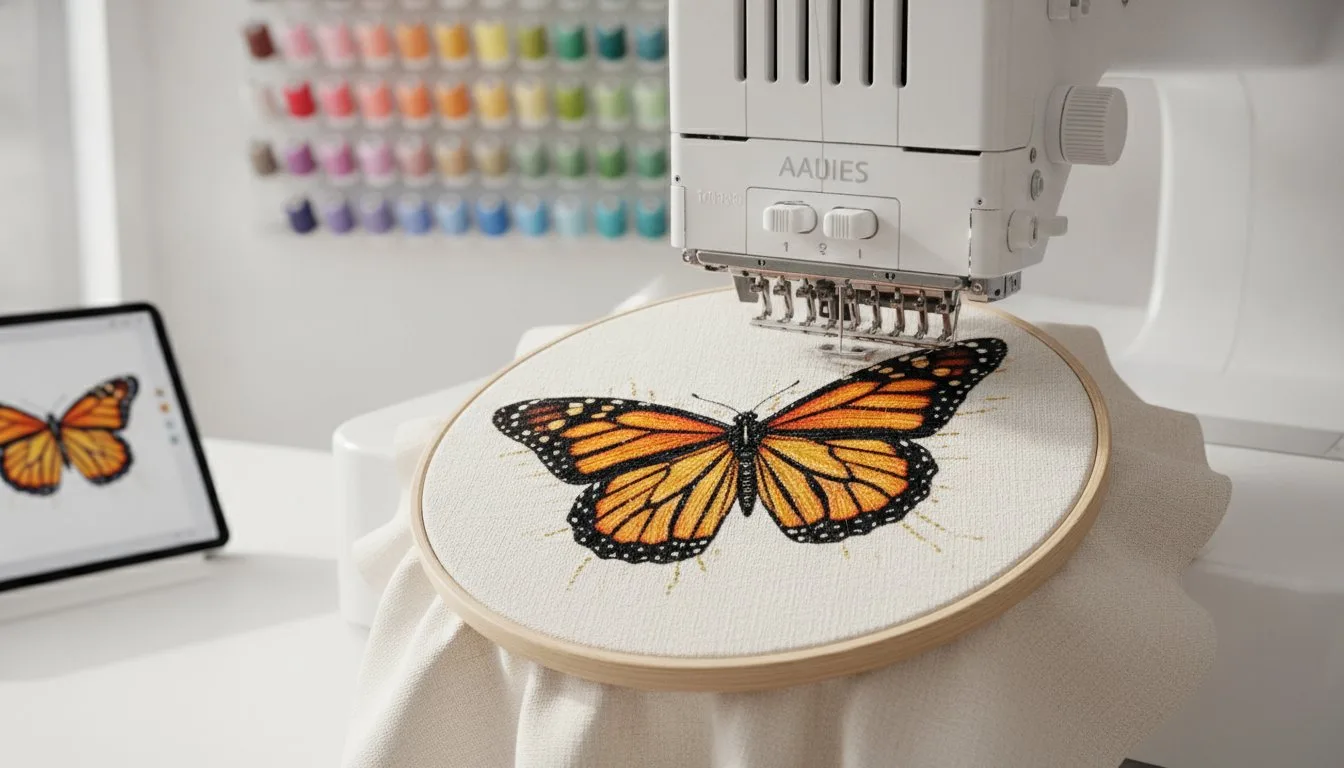
In the simplest terms, an embroidery machine is a specialized tool that automatically stitches intricate, decorative patterns onto fabric. Think of it like a smart printer, but instead of ink, it uses thread. You load a digital design file, hoop your fabric, and the machine does the complex stitching for you with incredible precision.
While a regular sewing machine is used for construction-joining pieces of fabric together to create a garment or item-an embroidery machine is all about embellishment. Its job is to add art, text, and texture to the surface of your fabric, turning something plain into something unique and beautiful.
One of the first choices you'll face is whether to get a dedicated embroidery machine or a two-in-one combination model. There's no single "best" answer; it all depends on your needs and workspace.
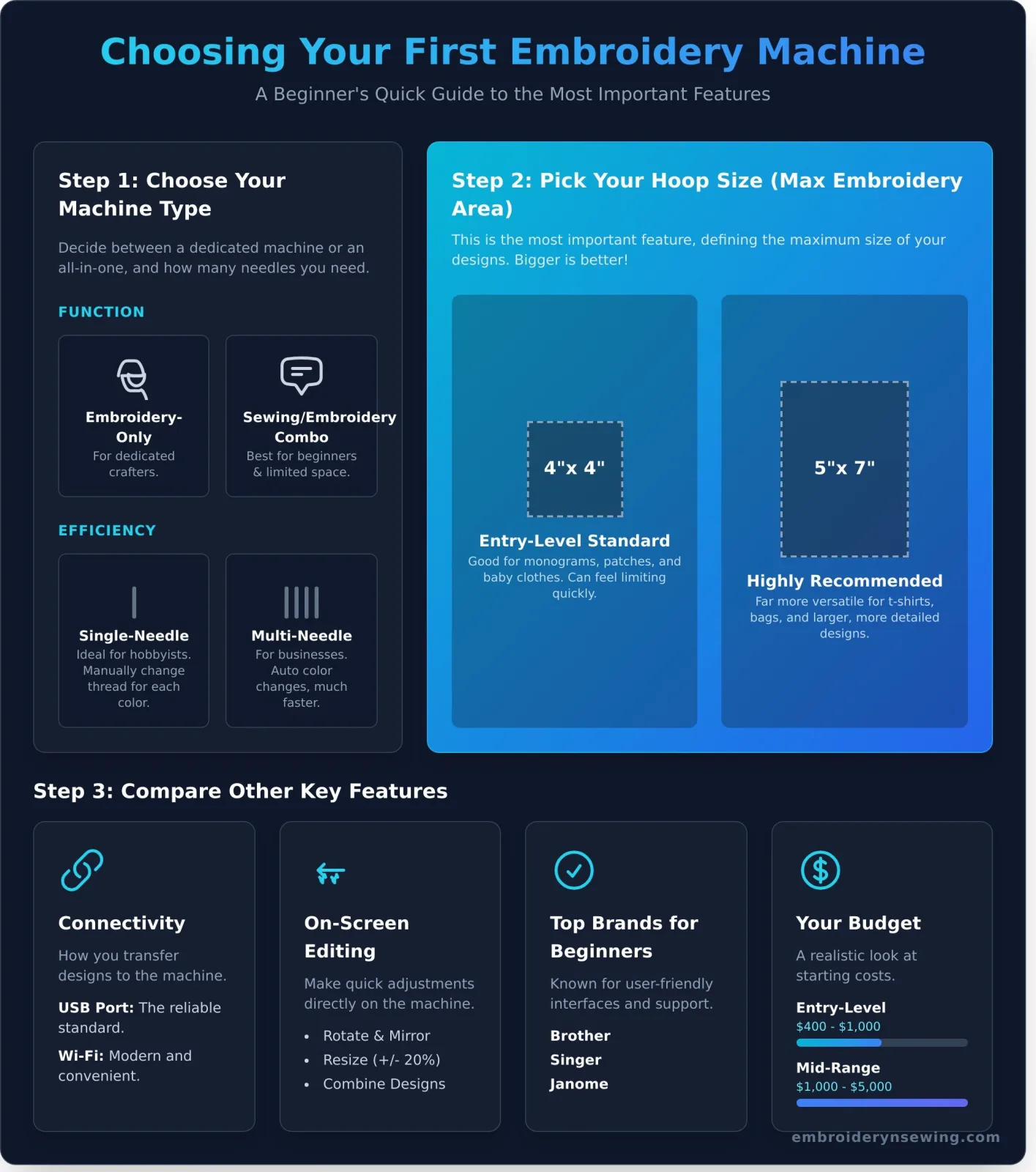
- Embroidery-Only Machines: As the name suggests, these machines are built for one purpose: to embroider. Because they are specialized, they often excel at their single task, providing a streamlined experience for users who already own a sewing machine or are only interested in embroidery.
- Who should choose one? Crafters who already have a sewing machine they love or those who want to focus exclusively on embroidery projects.
- Combination Machines: These versatile models can switch between sewing and embroidery. You typically attach a special embroidery unit to the machine when you want to embroider and remove it for regular sewing tasks.
- Who benefits most? Beginners who need both functions, those with limited space, or anyone who loves the convenience of having one machine that can do it all.
Single-Needle vs. Multi-Needle Machines
This is another key difference you'll see, primarily related to price and efficiency.
- Single-Needle Machines: This is the most common type for home hobbyists. The machine has one needle, and if your design has multiple colors, you'll need to pause the machine and manually change the thread for each new color. This is perfectly fine for most personal projects.
- Multi-Needle Machines: These are more commercial-grade machines, often found in home businesses. They have multiple needles (from 4 to 16) that can each be threaded with a different color. The machine automatically switches between needles, allowing it to stitch out a multi-color design without any manual changes. They are much faster but also significantly more expensive. For a first-time buyer, a single-needle machine is almost always the right place to start.
This distinction between hobbyist and commercial-grade equipment highlights how tools must be tailored to the job's demands. On a much larger scale, the same principle applies in industrial settings where complex mechanical work requires dedicated expertise. For instance, the operations of Panama Ship Service are a fascinating example of such highly specialized, commercial-grade service in the global shipping industry.
7 Key Features to Compare When Choosing an Embroidery Machine
Once you've decided on the basic type, it's time to compare models. Use this checklist to understand what the specifications really mean for your creative projects.
1. Hoop Size (Maximum Embroidery Area)
This is arguably the most important feature. The hoop holds your fabric taut while the machine stitches, and its size determines the maximum dimensions of any single design you can create. Common beginner hoop sizes are 4x4 inches and 5x7 inches.
- 4" x 4": Great for small projects like baby onesies, monograms on towels, and patches. It's a common entry-level size but can feel limiting quickly.
- 5" x 7": A much more versatile size. It allows you to stitch larger, more impressive designs on t-shirts, tote bags, and pillows. If your budget allows, starting with a machine that has at least a 5x7" capability is highly recommended.
2. Connectivity: How You'll Transfer Designs
Your machine needs a way to receive the digital design files. The two most common methods are:
- USB Port: The standard for years. You simply save your design files from your computer onto a USB stick and plug it directly into the machine.
- Wi-Fi Connectivity: A more modern feature found on many new machines. This allows you to send designs wirelessly from your computer or a dedicated app directly to the machine, which is incredibly convenient.
3. Built-in Designs and Fonts
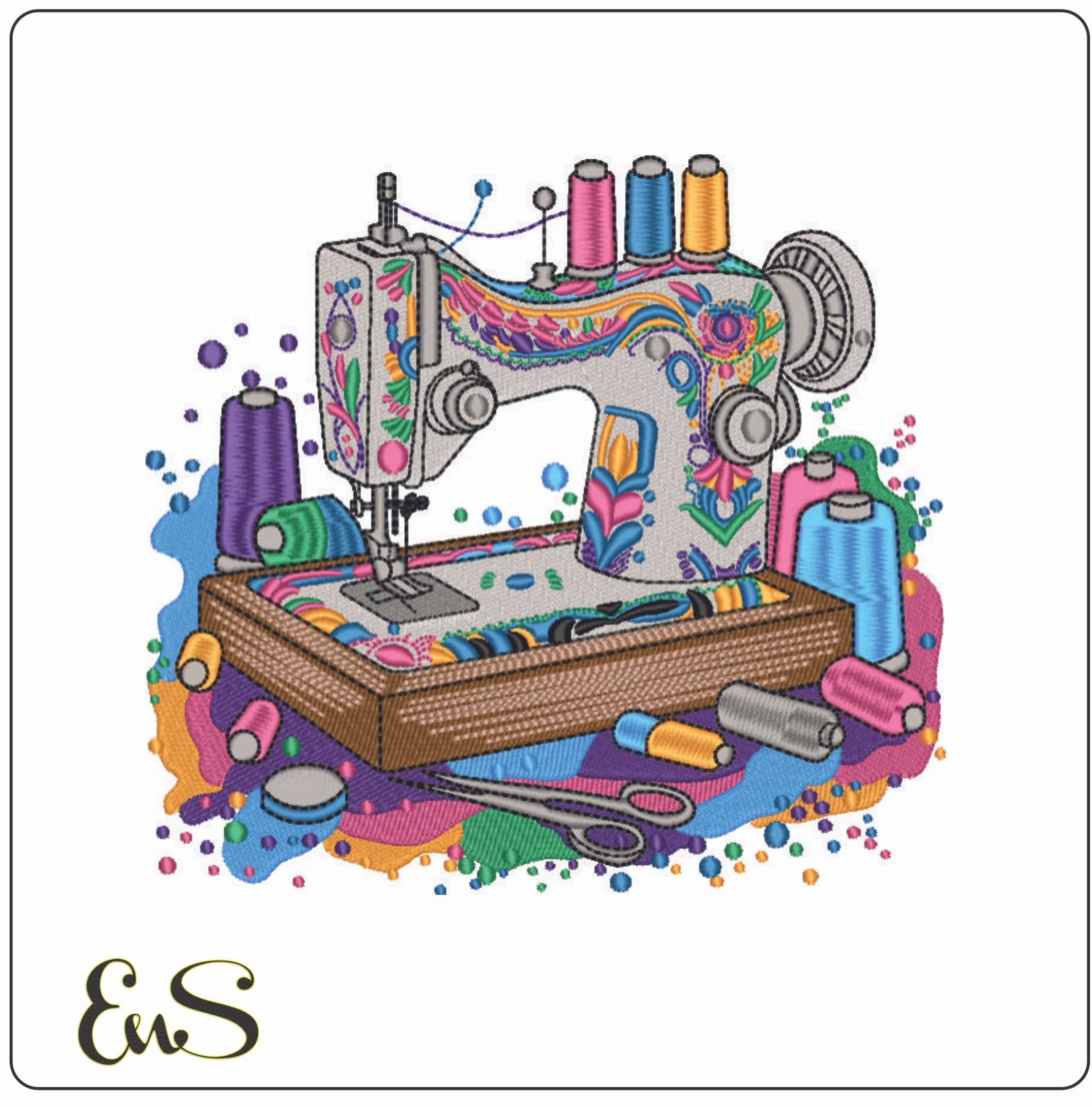
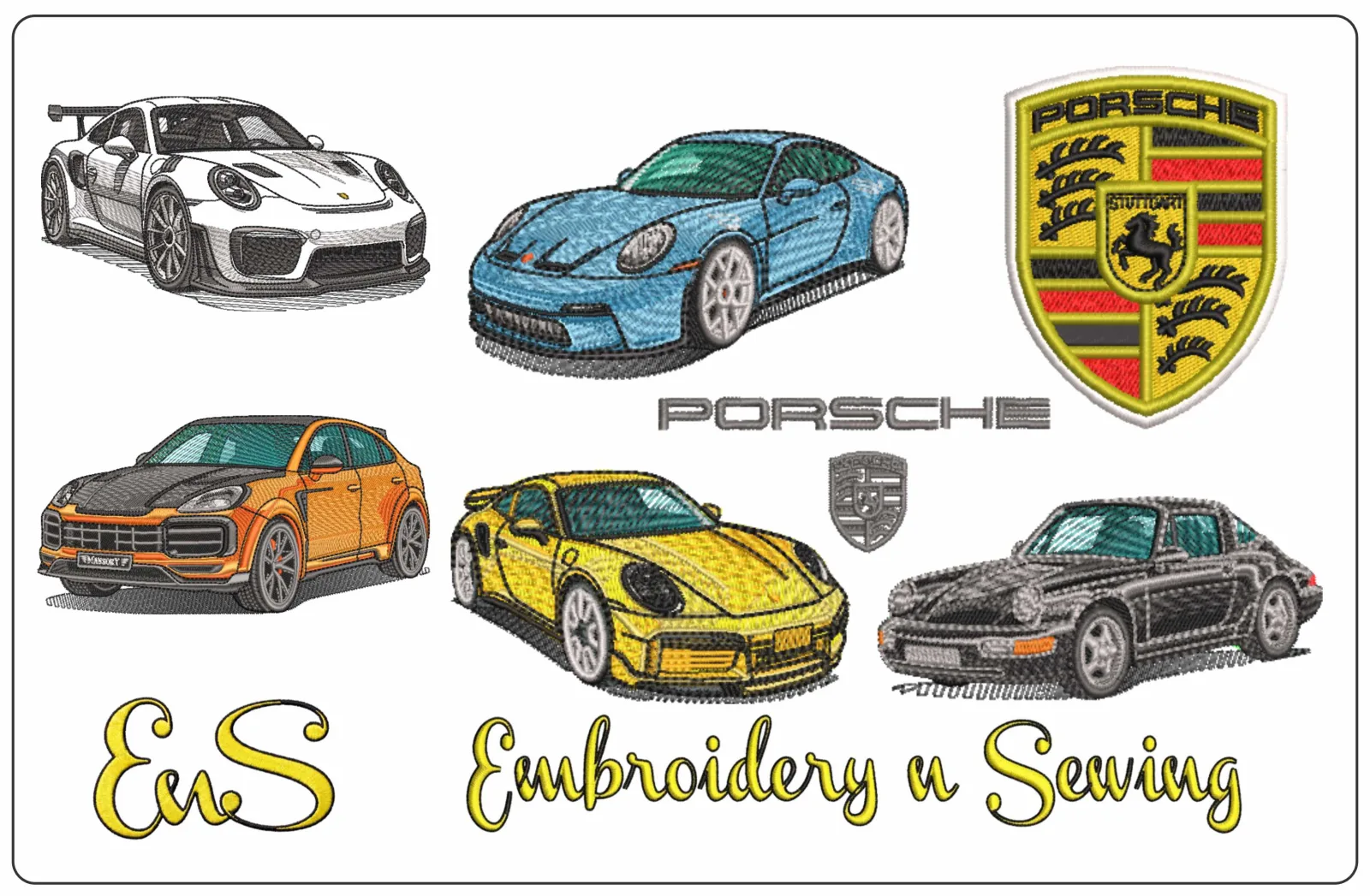
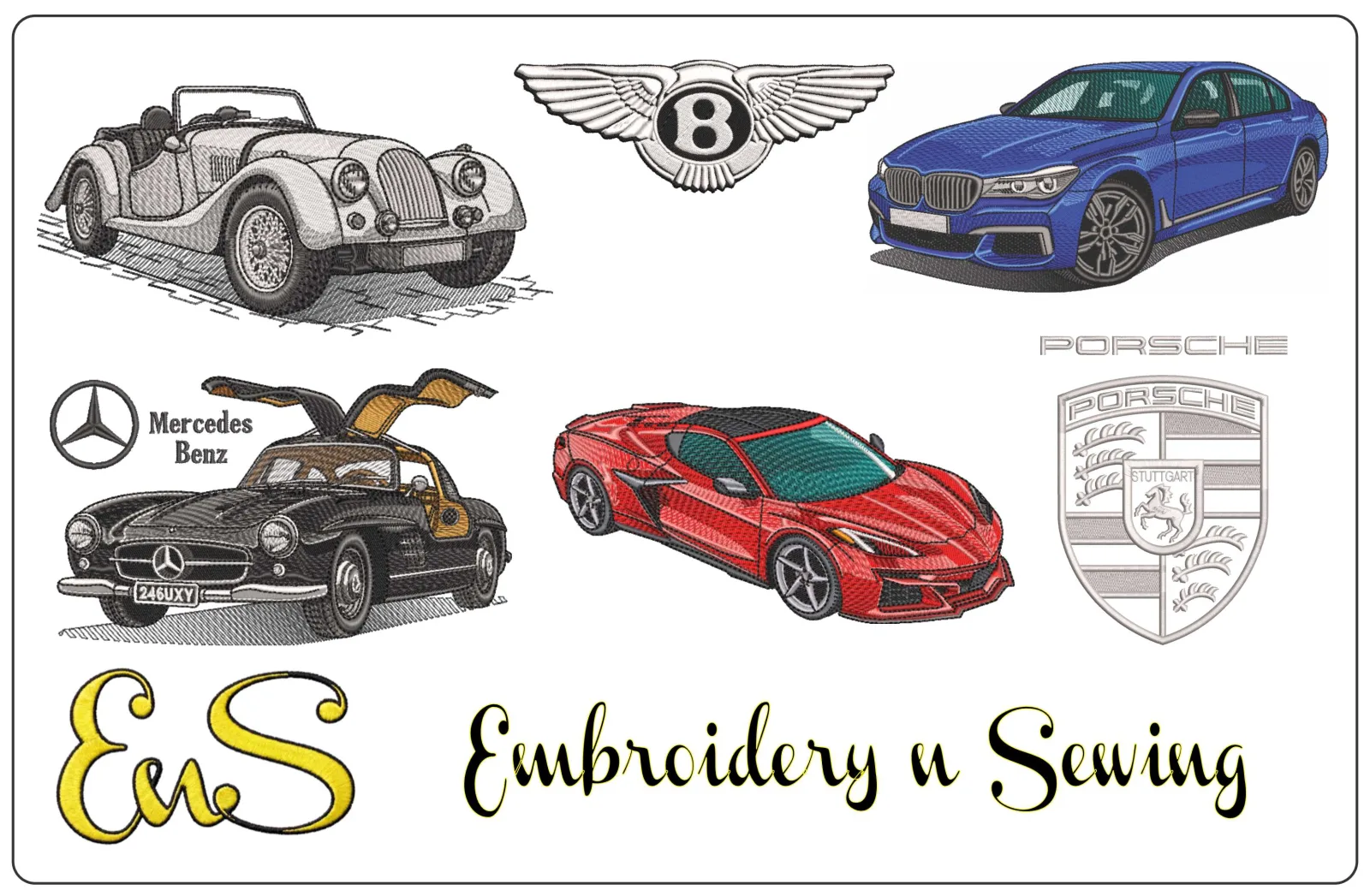
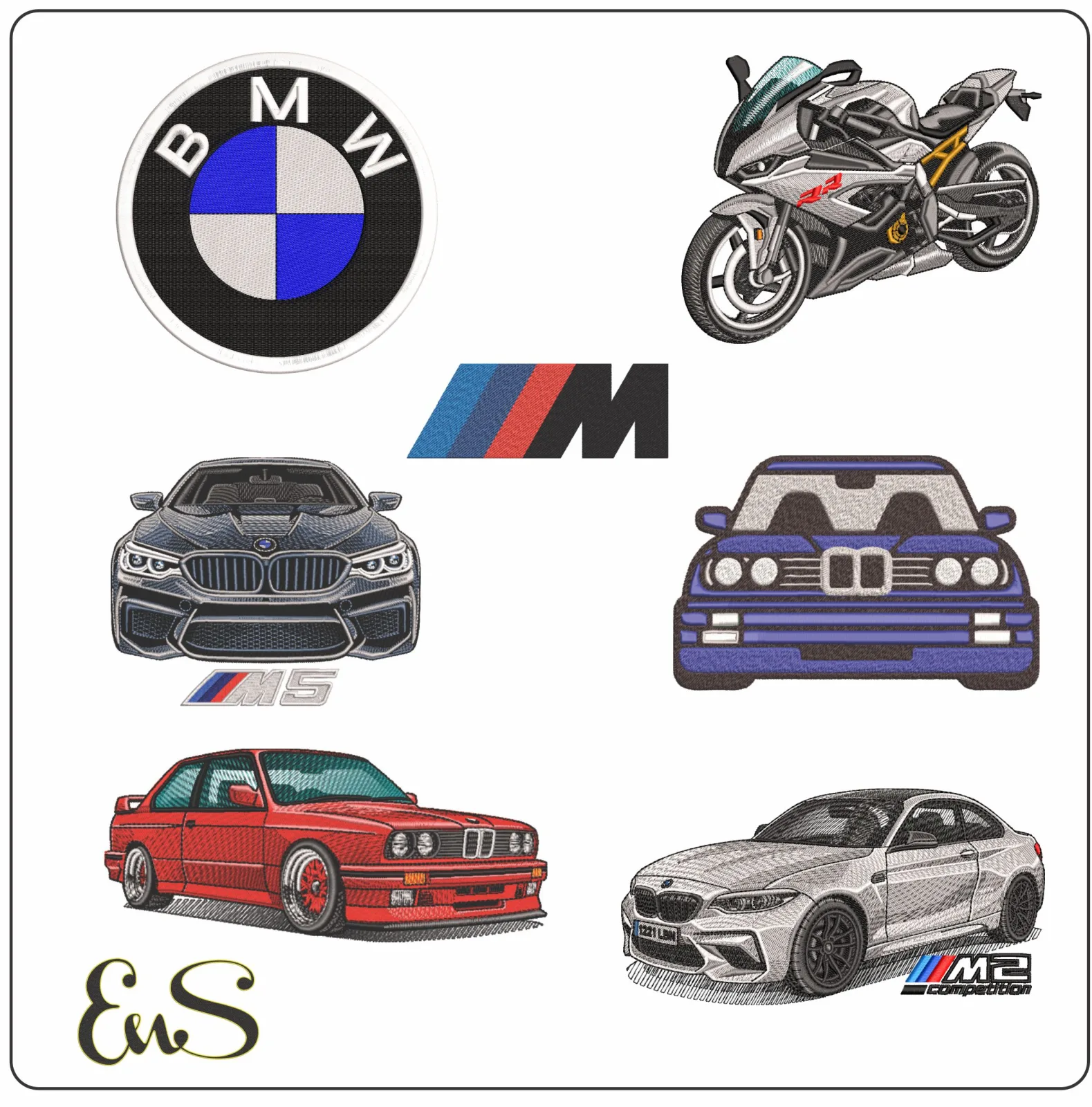
Nearly every embroidery machine comes with a library of pre-loaded designs and lettering fonts. These are fantastic for learning your machine and completing your first few projects. However, you'll quickly discover that the real magic comes from using designs that match your specific style and interests. Think of the built-in designs as a starter pack; the real fun begins when you start building your own library of high-quality digital designs.
4. On-Screen Editing Capabilities
The ability to make small adjustments to a design directly on your machine's screen can be a lifesaver. Look for features that allow you to:
- Rotate or mirror a design.
- Resize the design (within limits, usually +/- 20%).
- Combine multiple designs or add text.
A clear, color LCD touchscreen makes this process much more intuitive and enjoyable than a small, monochrome screen.
5. Top Brands for Beginners
While there are many brands, a few stand out for their user-friendly machines and strong community support, making them ideal for beginners:
- Brother: Widely regarded as one of the best brands for beginners, known for intuitive interfaces and helpful on-screen guides.
- Singer: A legendary name in sewing, Singer offers reliable and capable embroidery machines that are often a great value.
- Janome: This brand is respected for its quality and durability, offering a wide range of machines from entry-level to professional.
6. Your Budget: How Much Should You Spend?
Embroidery machines are an investment, but there's a wide range of price points.
- Entry-Level ($400 - $1,000): In this range, you'll find excellent beginner machines, typically with a 4x4" or 5x7" hoop and solid, user-friendly features.
- Mid-Range ($1,000 - $5,000): As you go up in price, you'll find machines with larger hoop sizes, faster stitching speeds, and more advanced features like automatic thread cutting.
Remember to also budget a little extra for essential supplies like thread, stabilizer (a material that supports the fabric), needles, and of course, some beautiful new designs!
You Have a Machine... Now Unleash Your Creativity with Designs!
Congratulations! You've done the research and are ready to choose your machine. But remember, the machine itself is just a tool-a blank canvas. The real joy and personality in your projects come from the digital designs you choose to stitch.
Your machine's built-in designs are a great start, but you'll soon want to explore patterns that reflect your passions, whether that's a favorite sports team, a beloved cartoon character, or elegant floral patterns for home decor. This is where a high-quality digital design shop becomes your most valuable resource. You can find designs for any theme imaginable, download them instantly, and start creating something truly unique. The machine is the engine, but the designs are the fuel for your creativity. Ready to start your collection? Browse thousands of incredible embroidery designs!
Frequently Asked Questions
What is a good, affordable embroidery machine for a total beginner?
Models like the Brother PE800 or the Singer Legacy SE300 are often recommended for beginners. They offer a good balance of features, a versatile 5x7" hoop size, and are very user-friendly without being overwhelmingly expensive.
Can I use any embroidery design file with any machine?
Mostly, yes! Machines use specific file formats (like .PES for Brother, .JEF for Janome, etc.), but nearly all designs you purchase will be available for download in all major formats. You just need to download the correct file type for your brand of machine.
Do I need to buy special software to use an embroidery machine?
No, you don't need expensive software to get started. You can buy individual design files and transfer them directly to your machine. More advanced digitizing software is only necessary if you want to create your own embroidery designs from scratch.
What other supplies do I need to buy besides the machine?
At a minimum, you'll need embroidery thread in various colors, embroidery needles, stabilizer (cut-away and tear-away are the most common), and small, sharp scissors for trimming threads.
Is it hard to learn how to use an embroidery machine?
Not at all! Modern machines are designed to be user-friendly. There is a small learning curve, but if you start with a simple project and watch a few tutorial videos, you'll be stitching with confidence in no time.
Dispelling common myths is crucial when starting a new hobby, as it helps build confidence. The idea that you need to be an expert to start is often untrue, whether in crafting or in understanding complex technologies. For an interesting look at how experts tackle misconceptions in a completely different field, you can find out more about the realities of lie detection.
Choosing your first embroidery machine is the first step on an amazing creative journey. By focusing on the features that matter most-like hoop size and ease of use-you can confidently select a machine that will serve you well. Once you have your machine, the real adventure begins. It's time to explore the vast world of digital patterns and start turning your creative visions into beautifully stitched reality. Find the perfect pattern for your first project in our design shop!