A last-minute team shirt order, a birthday gift, or a new listing for your craft shop can turn into the same question: custom digitizing versus ready-made files? Both can produce beautiful machine embroidery, but they solve very different problems. One gives you a design built specifically for your idea. The other gets a stitch-ready file into your machine quickly, often for a fraction of the cost.
For most everyday projects, the best choice comes down to three things: how unique the artwork needs to be, how soon you need to stitch it, and whether the design already exists in a format and style that fit your project.
## What Changes Between Custom Digitizing and Ready-Made Files?
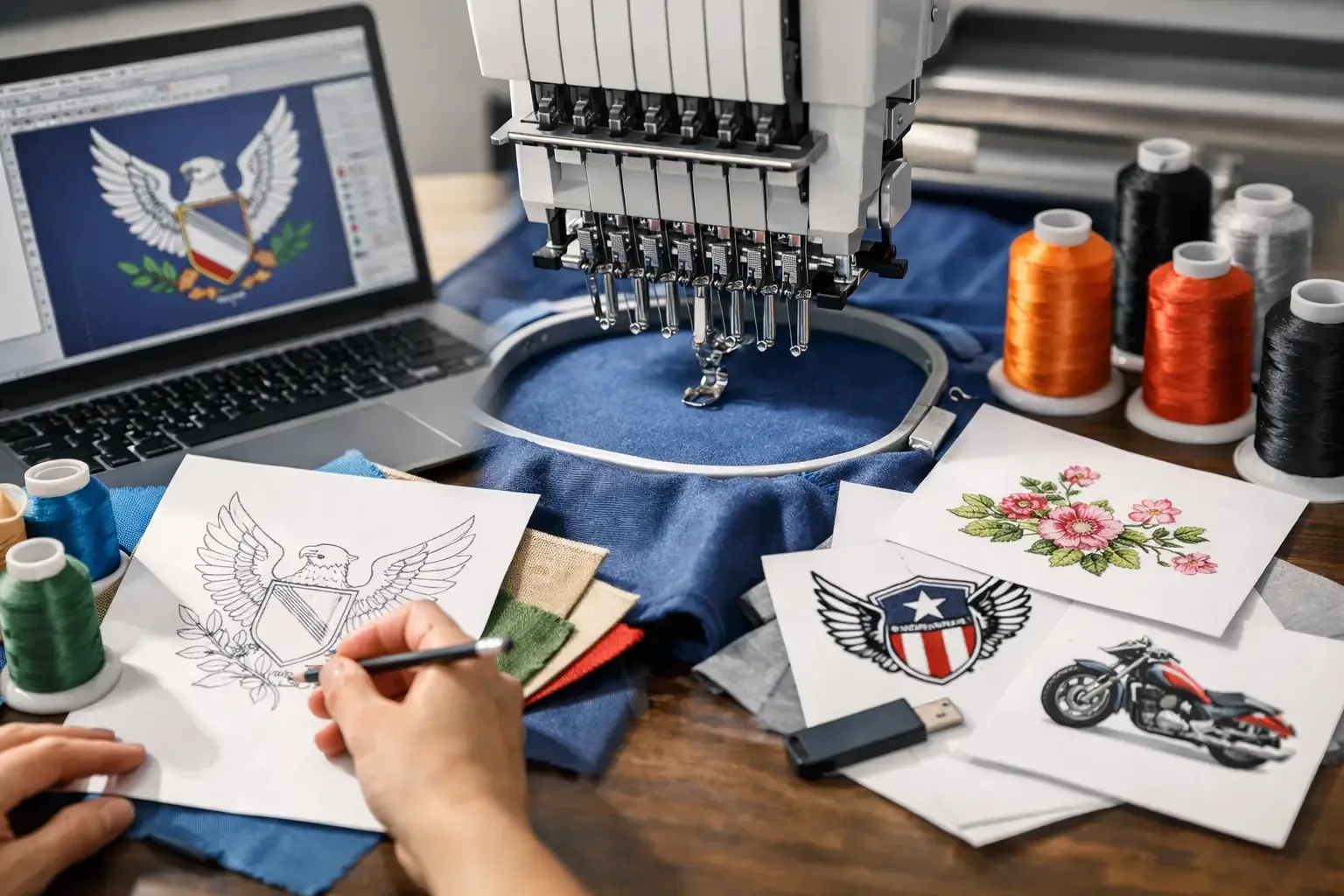
Digitizing is the process of turning artwork into stitch instructions for an embroidery machine. It is not simply converting a JPG, PNG, or SVG into a machine format. A digitizer decides where stitches begin and end, which stitch types work best, how dense the stitching should be, where underlay is needed, and how the design will hold up on fabric.
With custom digitizing, that work starts with your artwork. You provide a logo, drawing, name, or concept, and a digitizer creates a file for your intended size, fabric, machine format, and use case. The result is designed around your project, but it takes time and usually costs more than buying a downloadable design.
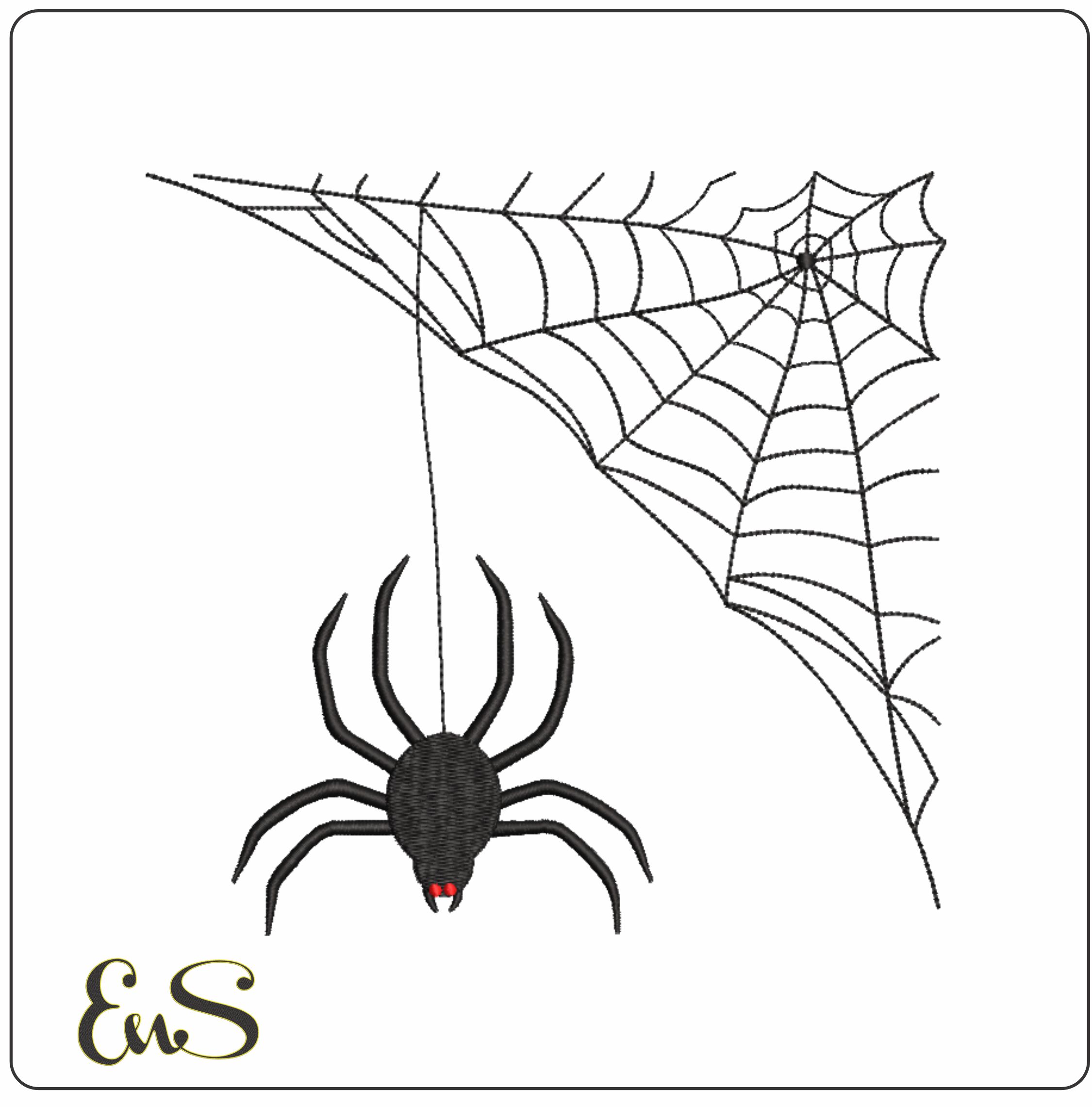
Ready-made files are pre-digitized designs sold for immediate use. They may include popular themes such as sports-inspired motifs, florals, animals, children’s designs, seasonal artwork, fonts, and fandom-style images. You choose the design, confirm its size and available format, download it, hoop your fabric, and start stitching.
That difference matters. Custom work is about creating something that does not yet exist. Ready-made files are about finding the right finished design and putting it to work right away.
## When Ready-Made Embroidery Files Make the Most Sense
Ready-made files are the practical choice when the design itself is not the hard part. If you are making a gift, decorating a sweatshirt, personalizing a tote, or building a quick batch of products around a familiar theme, an instant download removes the waiting period.
A broad embroidery library is especially useful for makers who work across many niches. One week you may need a baseball-inspired design for a game-day jacket. The next, you may be stitching a cartoon-style birthday shirt, a Christmas kitchen towel, or a floral monogram for a bridal gift. Buying a ready-made file lets you browse by category instead of commissioning a new design every time your project changes.
Speed is the biggest advantage
A ready-made file can move a project from idea to stitching on the same day. That is valuable for weekend crafting, holiday deadlines, pop-up inventory, and customer orders with short turnaround times. There is no artwork approval process, no quote to wait for, and no back-and-forth about revisions.
For a beginner, ready-made files also reduce uncertainty. The design has already been prepared for embroidery, so you are not starting with artwork that may be too detailed, too small, or poorly suited to thread. You still need to use the right stabilizer, hooping, needle, and fabric, but the stitch file is already built.
Lower cost makes testing easier
Custom digitizing can be a worthwhile investment, but it is hard to justify for a single shirt or a one-time gift. Ready-made files are usually affordable enough to test new themes without a large upfront commitment.
That matters for small businesses, too. If you are trying a new product category, you can stitch a few samples before investing in custom artwork. A boutique maker may test a sports season collection, a school spirit idea, or a set of kids’ designs using ready-made files first. If the products sell consistently, there is more reason to commission an original design later.
Variety helps you find a better fit
Ready-made does not have to mean generic. A large catalog gives you options in stitch style, size, layout, and theme. You may find a simple filled design for a hat, a larger detailed design for a hoodie back, or a light sketch-style motif for a tea towel.
Embroidery n Sewing is built for this kind of search: finding a design category that matches the project and downloading a file when inspiration strikes. For many makers, the time saved by finding a design that is already close to perfect is more valuable than starting from scratch.
When Custom Digitizing Is Worth the Extra Cost
Custom digitizing earns its place when the design needs to be unmistakably yours. Your own business logo, a customer’s hand-drawn artwork, a family signature, or a specific event graphic cannot be replaced by a ready-made file.
It is also the better choice when embroidery performance is critical. A design that will be stitched repeatedly on uniforms, caps, jackets, or workwear needs thoughtful preparation. The digitizer can account for the fabric, the placement, the finished size, and the level of detail required. A logo that looks fine at 4 inches on a polo may need major adjustments to stitch cleanly at 2 inches on a cap.
Original branding needs original files
If you sell embroidered apparel under your own business name, your logo should be digitized for your logo. A custom file gives you control over the lettering, proportions, colors, and stitch effects. It also creates consistency when you need the same mark across shirts, bags, hats, and promotional items.
This can be especially important for repeat orders. A local business ordering staff polos may want the logo in the same location and size every time. A school club may need a specific mascot treatment. A wedding party may want names in a particular handwritten style. These are not situations where an almost-right ready-made design will feel right.
Complex artwork may need expert decisions
Artwork with tiny text, thin lines, gradients, photographs, or crowded details is not automatically embroidery-friendly. Custom digitizing gives an experienced digitizer room to simplify the art, choose the right stitch directions, and protect the important parts of the design.
Expect some trade-offs. Very small lettering may need to be enlarged or replaced with a simpler font. Fine details may need to be removed. A full-color graphic may need fewer thread colors. Good digitizing does not copy every pixel. It adapts the art so thread can do its job.
Custom work requires lead time and clear communication
The downside is that custom digitizing is a service, not an instant product. You may need to supply clean artwork, specify the final size, explain the garment or fabric, and request your preferred file format. If revisions are needed, the timeline can grow.
That does not make it a poor option. It simply means custom digitizing works best when you can plan ahead and when the design will be used enough times to justify the investment.
How to Choose the Right Option for Your Project
Start by asking whether the idea is already available in a form you would be happy to stitch. If you need a seasonal motif, a popular hobby theme, a decorative font, or a giftable design, ready-made files are usually the faster path. Browse for the category, check the design size, and choose a file that complements your blank garment or item.
If the project depends on a specific logo, illustration, name treatment, or customer-provided artwork, custom digitizing is more appropriate. The closer the finished embroidery needs to match a particular visual identity, the less useful a general ready-made design becomes.
Quantity should influence the decision, but it should not decide it alone. A one-off project can still deserve custom work if it is meaningful, such as a memorial keepsake or a wedding jacket. On the other hand, a large run can use ready-made files effectively when the theme is broad and the design has already been tested.
Also consider your embroidery machine and hoop size before purchasing anything. Check that the file format works with your machine, that the design fits your hoop, and that the intended fabric can support the stitch count. A dense design can look great on a structured jacket and feel heavy or pucker on a lightweight tee.
File Quality Still Matters Either Way
A custom file and a ready-made file are only useful if they stitch well. Before committing to a final garment, run a test stitch on similar fabric with the same stabilizer and thread. This small step can prevent a ruined hoodie, puckered towel, or misaligned cap.
Pay attention to design size rather than resizing aggressively in machine software. Enlarging or shrinking a file too much can affect density, stitch length, and lettering clarity. If you need a significantly different size, look for a design offered in multiple sizes or request a properly digitized custom version.
Use Designs Responsibly for Selling
If you sell finished embroidered goods, review the seller’s license terms before listing products. Personal-use and commercial-use permissions are not always the same. You should also avoid using protected logos, characters, names, and artwork for commercial products unless you have the appropriate rights or permission.
This is particularly relevant for sports, university, entertainment, and brand-inspired themes. A design being available online does not automatically grant permission to sell items featuring protected intellectual property. When your project is for personal use, the decision may be different, but rights and platform rules still matter.
The best embroidery choice is the one that lets you create confidently without slowing down the project. Keep ready-made files on hand for the themes customers and family members ask for most, then reserve custom digitizing for the designs that only you, your customer, or your brand can bring to life.