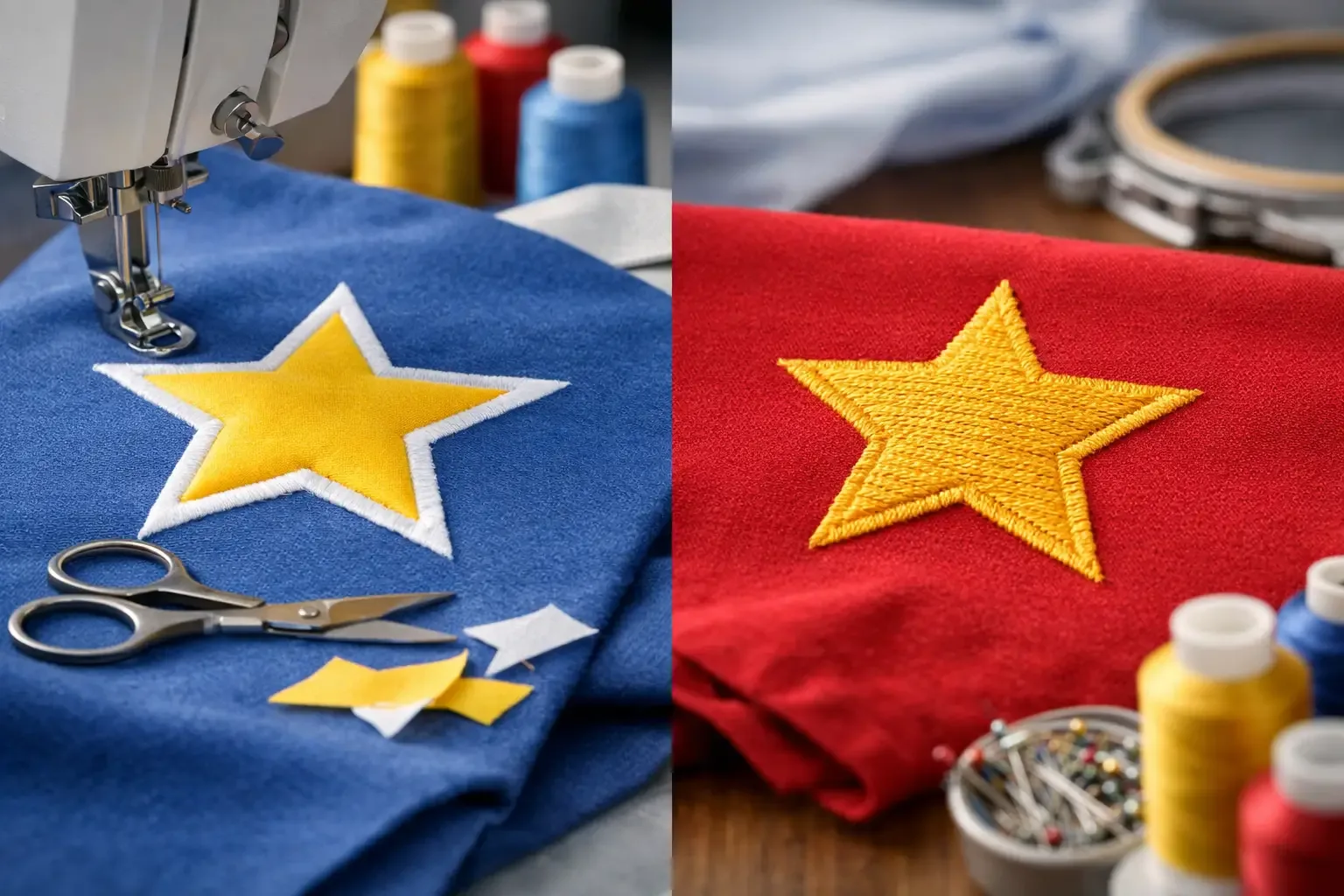
A varsity name across the back of a hoodie can look bold and polished with either technique, but the stitch-out will feel completely different. In the choice between applique versus fill embroidery, applique delivers big color and texture with fabric, while fill embroidery builds the entire shape from thread. Choosing well affects your stitch time, material cost, garment weight, and the finished look your customer or recipient notices first.
For home machine owners, craft sellers, and boutique decorators, neither option is automatically better. The right choice comes down to the design, the item being embroidered, and how many pieces you need to make.
## Applique Versus Fill Embroidery: The Core Difference
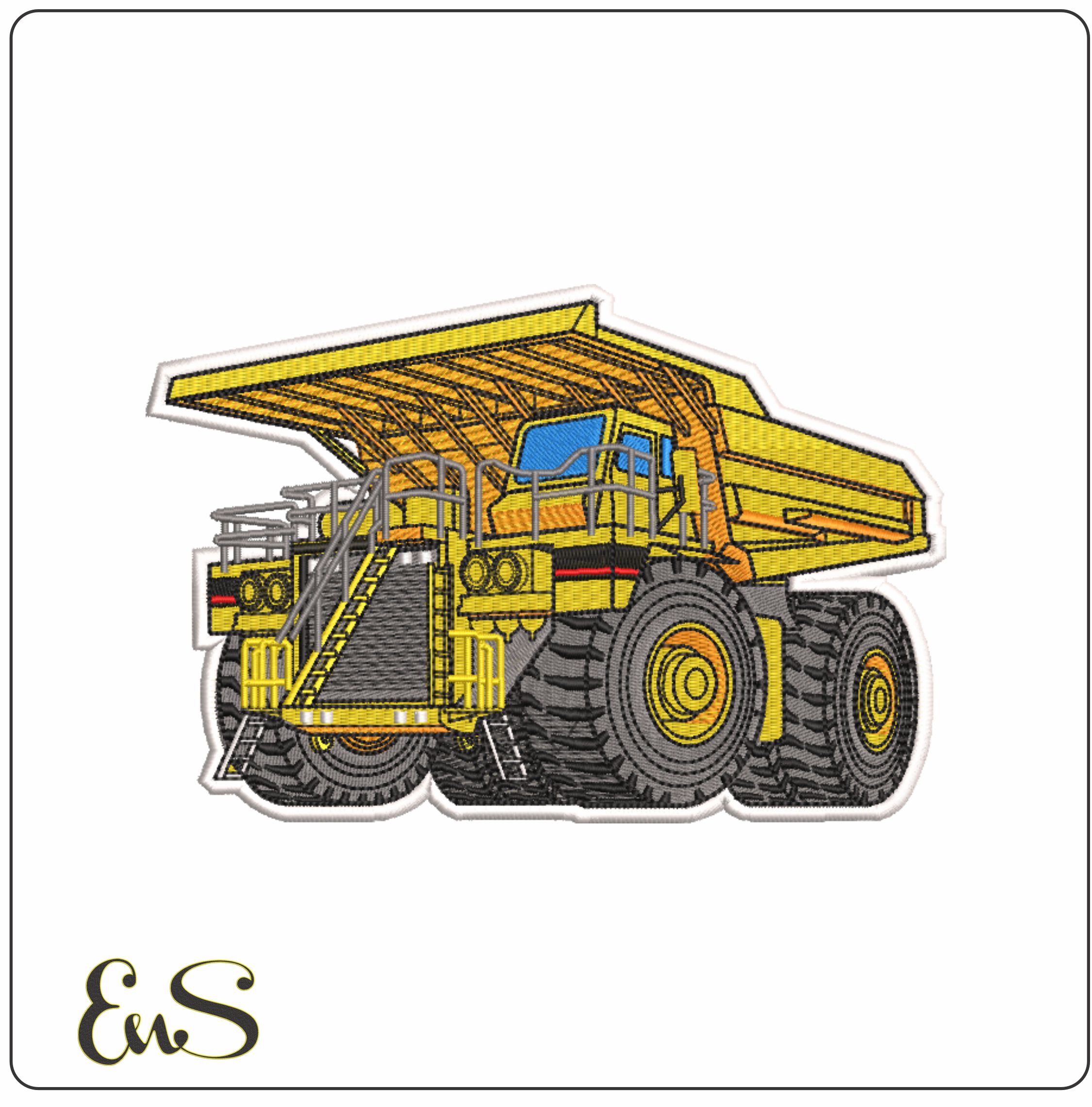
Applique embroidery uses one or more pieces of fabric to create part of the design. Your machine stitches a placement line, tacks the fabric into position, and then finishes the edge with satin stitches, a decorative border, or another stitch style. A large letter, football, mascot silhouette, or seasonal shape can be mostly fabric rather than thousands of closely packed stitches.
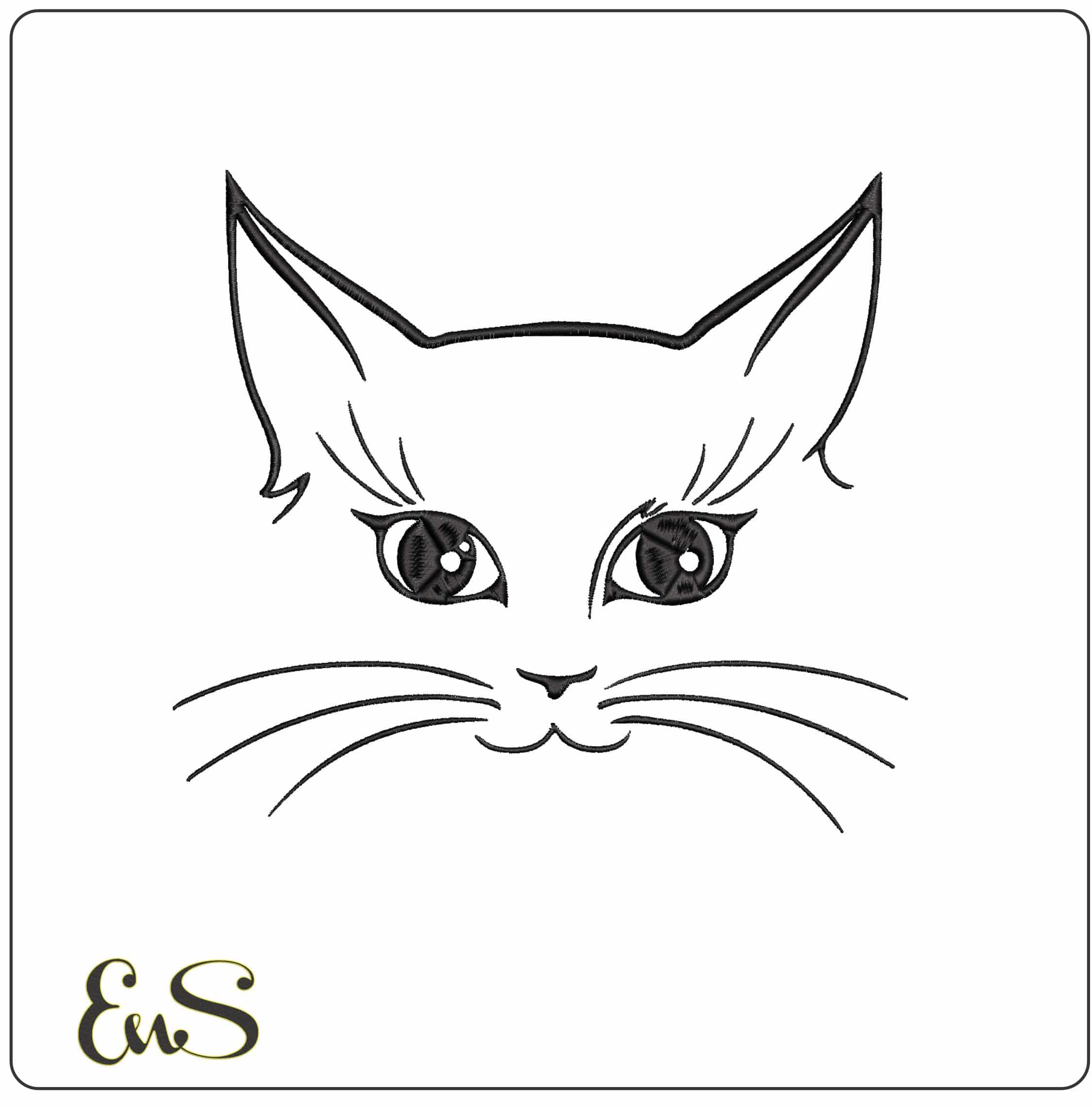
Fill embroidery, often called filled or solid embroidery, creates the colored areas entirely with thread. The machine lays down rows of fill stitches inside a digitized shape, then may add satin-stitch outlines and detail. It is the classic choice for detailed logos, small lettering, faces, crests, and artwork where fabric pieces would be too difficult to cut or layer neatly.
The visual difference is immediate. Applique has a dimensional, handmade feel because the base fabric remains visible. Fill embroidery looks more uniform and thread-rich, with clean color blocks that can hold fine details. Both can look professional when the file is properly digitized for the technique.
Applique earns its place when a design has large, simple areas of color. Think oversized school initials on a sweatshirt, a baseball-themed shirt, a holiday stocking, a baby blanket name, or a big cartoon-style shape on a tote. Instead of covering a six-inch letter with dense thread, you can use twill, cotton, glitter vinyl rated for embroidery, felt, or another suitable applique fabric.
The biggest advantage is stitch count. A large fill design can take a long time to run and use a substantial amount of thread. An applique version often stitches much faster because the fabric handles the large color area. That matters when you are producing matching team bags, spirit wear, or several gift sets before a deadline.
Applique can also reduce stiffness. Dense embroidery on a lightweight tee or thin baby garment may feel heavy, especially across a large section of the chest. A well-chosen applique fabric adds coverage without packing the area with thread. It is still important to stabilize correctly, but the finished item often stays softer and more flexible.
Color options are another practical benefit. A fabric print can bring stripes, camouflage, plaid, glitter, or a specific team-inspired color combination into the design without changing thread colors every few inches. This is useful for sports, school, and fandom projects where the fabric itself becomes part of the statement.
There are trade-offs. You must cut the applique fabric accurately, either by hand after the tack-down stitch or before hooping with a cutting machine. Raw edges can fray if the border is not dense enough or the fabric is not appropriate. Tiny shapes, narrow points, and intricate interior cutouts are usually more trouble than they are worth in applique.
### Best fabrics for applique projects
For beginners, felt and embroidery applique fabric are forgiving choices because they cut cleanly and do not fray much. Cotton works well for a traditional quilted look, while twill gives varsity letters and athletic designs a crisp finish. If you use specialty materials, test them first. Some vinyls can pucker, melt under heat, or tear if the needle and stitch density are not right.
Match the applique fabric to the project’s expected wear. A decorative pillow allows more freedom than a frequently washed toddler shirt. For apparel, prewash washable fabrics when possible and choose a design with a secure satin edge.
When Fill Embroidery Is the Better Choice
Fill embroidery is the better fit when detail matters more than speed. Small logo-style artwork, compact monograms, animal faces, intricate florals, badge designs, and fine line elements need thread-based fills to keep their shapes readable. A digitized fill can follow curves, create shading through thread color changes, and fit details that would be impossible to cut from fabric.
It also gives you a consistent result across garments. With applique, each fabric selection changes the finish slightly. With fill embroidery, the same thread chart and file can produce a more standardized look from one item to the next. That is valuable for uniform-style polos, staff apparel, small patches, and repeat orders where consistency matters.
Fill embroidery is often the cleaner option on smaller designs. A two-inch mascot head or compact chest emblem does not have enough room for practical applique placement and trimming. Dense fills, underlay stitches, and satin borders can preserve the artwork at a small scale, provided the design has been digitized for that size.
The cost is time and density. Large fill areas can create a stiff result, pull fabric inward, or cause puckering when stabilization is inadequate. They also put more wear on needles and consume more thread. On stretchy knits, use the right cut-away stabilizer and consider a topping when the garment surface is textured. A quality file should include underlay and sensible stitch direction, but hooping and materials still make a major difference.
Watch the density, not just the design size
A design does not have to look huge to be dense. A compact crest with several overlapping filled sections may run longer than a larger, simpler applique letter. Before starting a customer order, check the stitch count, color changes, and finished dimensions listed with the design file. Stitch count is a much better indicator of production time than the picture alone.
If a filled design feels bulky on a garment, do not assume the answer is to reduce the size. Shrinking a dense design can crowd the stitches and reduce clarity. Choose a version digitized for the smaller hoop size or select a simpler file made for that placement.
Choosing by Project Type
For sweatshirts, jackets, tote bags, and spirit wear, applique is often the practical winner for big names, jersey numbers, block letters, and simple sports shapes. It looks intentional at a larger scale and keeps production moving. Felt or twill applique can give a classic letterman-style finish that shoppers recognize immediately.
For left-chest shirts, hats, small pockets, patches, and detailed gift personalization, fill embroidery usually has the advantage. It delivers the compact detail these placements require. Hat projects deserve extra care because the curved structure and limited sewing field make overly dense files difficult to run cleanly.
For quilts, blankets, and children’s items, either method can work beautifully. Use applique for soft, playful shapes and large colorful names. Use fill embroidery for small details, outlined features, and personalized elements that need crisp definition. Combining both techniques is often the strongest option: applique for the large base shapes and fill embroidery for eyes, lettering, outlines, and accents.
Prepare Your Machine for the Technique
A good design file is only part of the job. For applique, use a fresh needle, hoop the stabilizer firmly, and keep small sharp scissors nearby for trimming after the tack-down step. Stop the machine when prompted by the file rather than trimming while it is still moving through the sequence. If the fabric shifts before the final border, the edge may not fully cover it.
For fill embroidery, choose stabilizer based on the garment rather than taking a one-size-fits-all approach. Cut-away stabilizer is a dependable choice for stretchy shirts and dense designs because it remains behind the stitches after washing. Tear-away can work on stable woven fabrics and lighter designs. Always test a new combination of fabric, stabilizer, thread, and design before using a favorite garment or beginning a batch.
Keep your design in its intended size. Resizing embroidery files in software can change stitch density, underlay, and pull compensation. Small adjustments may be possible with the right software and experience, but dramatic resizing can turn a clean design into a puckered or poorly covered stitch-out.
Embroidery n Sewing offers a wide range of instant-download design styles, so it helps to browse with the finished item in mind. Search for applique-focused files when you want large, fabric-forward shapes, and choose detailed fill-based artwork when your project needs thread-built color and definition.
Make the Choice Before You Hoop
Choose applique when you want bold scale, lower stitch counts, fabric texture, and faster production. Choose fill embroidery when you need detail, compact sizing, clean thread-built shapes, and repeatable results. For many best-selling apparel and gift projects, the smartest answer is not one or the other but a design that uses each where it performs best.
Before you press start, picture the finished item after it has been worn, washed, gifted, or packed for a customer. That quick check usually makes the right stitch style clear and helps every downloaded design become a project worth showing off.