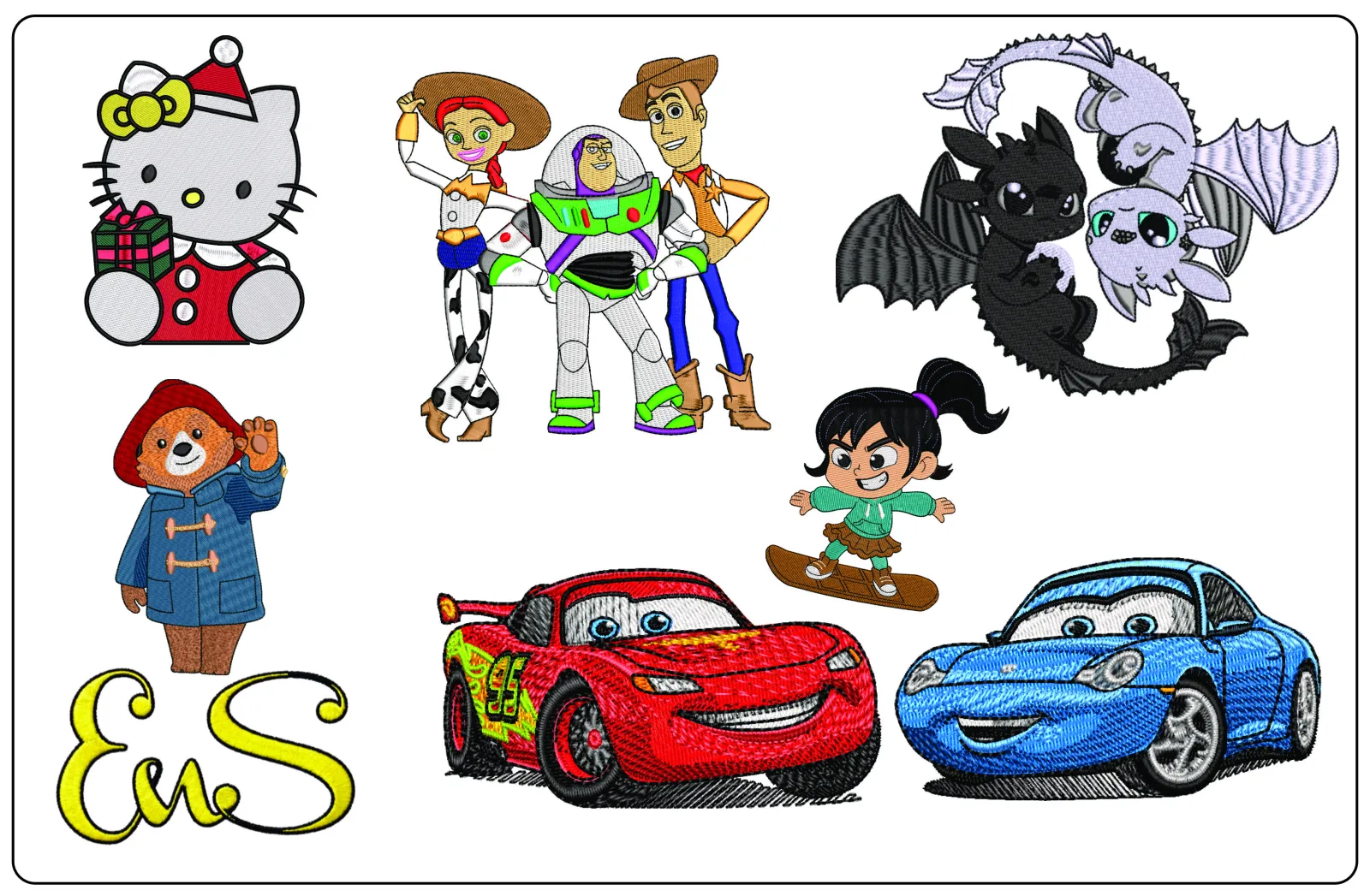
Have you ever been so excited to stitch out a beloved cartoon hero, only to be met with a frustrating mess of puckered fabric and gappy threads? Or perhaps you've spent hours scrolling through a sea of cartoon character embroidery designs, feeling overwhelmed by the choices and a little nervous about copyright rules. It’s a common story for even seasoned embroiderers. The dream of a perfectly stitched character on a denim jacket can quickly turn into a sewing room nightmare, but it doesn’t have to be that way.
This is where the magic should happen, and we’re here to make sure it does. In this ultimate guide, we’ll show you exactly how to choose high-quality files that guarantee a flawless stitch-out, demystify the right stabilizers and threads for crisp results, and provide clear insights into using these iconic images legally and ethically. Get ready to confidently transform any project into a personalized masterpiece featuring your favorite animated icons, bringing them to vibrant life with every stitch.
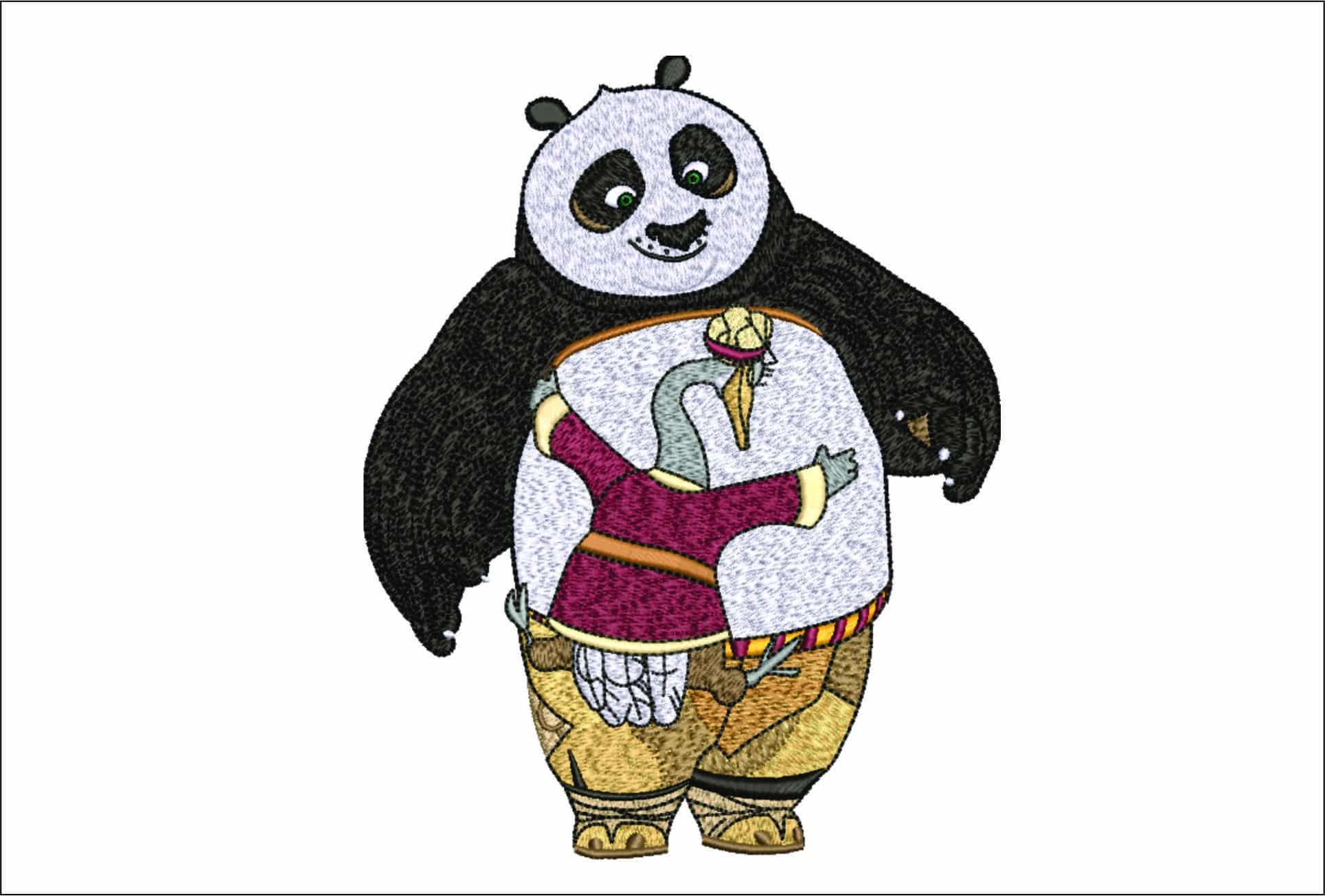
What is it about **cartoon character embroidery designs** that captures our hearts? It's a powerful blend of nostalgia, personal expression, and pure, simple joy. For many, it's a way to reconnect with beloved childhood friends, while for others, it's the perfect method for creating a one-of-a-kind gift for a child or expressing personal fandom. There’s an undeniable delight in watching a favorite character take shape, stitch by vibrant stitch.
Unlike flat digital prints, embroidery gives characters a tangible, textured quality. The raised threads and rich colors add a premium dimension that you can see and feel, turning a simple piece of fabric into a work of art. While the history of embroidery is filled with intricate traditional patterns, modern technology has empowered us to perfectly replicate the clean lines and bold colors of our favorite animated icons. This fusion of classic craft and contemporary pop culture is where the real magic happens.
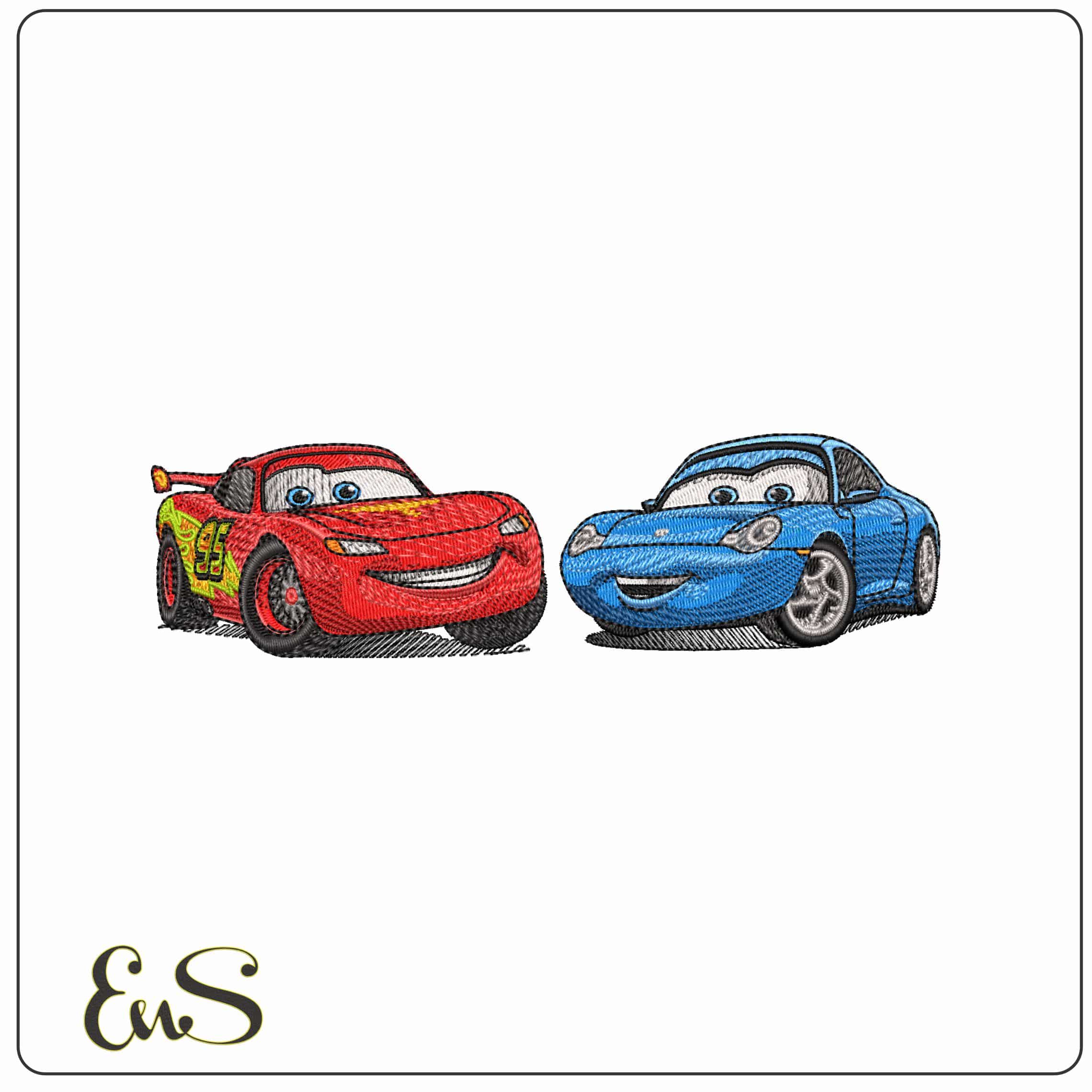
The versatility of cartoon embroidery means you can add a touch of personality to almost anything. Whether you're a hobbyist or running a small business, here are some popular ideas to get you started:
- Kids' Corner: Transform everyday items into treasured possessions. Personalize denim jackets, backpacks, t-shirts, and baby onesies with a child's favorite animated character for a gift they'll adore.
- Home Decor: Infuse fun into any space. Create themed bathroom towels, whimsical pillowcases for a bedroom, or unique framed art to brighten up a playroom wall.
- Accessories: Showcase your style on the go. Embellish tote bags, baseball caps, and beanies, or create custom patches to add a pop of character to any outfit.
Types of Cartoon Designs: From Simple Icons to Detailed Scenes
Not all cartoon designs are created equal. The style you choose will depend on your project, fabric, and desired aesthetic. Here are the most common types you'll encounter:
- Minimalist Outlines: Also known as redwork or blackwork, these designs use simple running stitches to create a character's silhouette. They are perfect for a subtle, modern look on adult apparel.
- Fill Stitch Characters: This is the classic, vibrant style most people imagine. It uses dense blocks of thread to create a solid, colorful image that looks just like the cartoon.
- Appliqué Cartoons: Ideal for large designs, appliqué uses pieces of fabric for big color areas, which are then stitched down. This technique reduces stitch count and adds another layer of texture.
- In-the-Hoop (ITH) Projects: These clever designs allow you to create a complete 3D item entirely in your embroidery hoop, such as keychains, small stuffies, and felt masks.
## How to Choose a High-Quality Cartoon Embroidery Design
The success of your embroidered project begins long before you thread your first needle. It starts with the digital file. A high-quality, professionally digitized design is the blueprint for a flawless stitch-out. Choosing a superior file is the single most important step to prevent common frustrations like fabric puckering, constant thread breaks, and misaligned details. Think of it as investing in a solid foundation for your creativity.
Before you click "buy," it's crucial to check that the design's included sizes are compatible with your machine's hoop capabilities. A beautiful design is useless if it won't fit your largest hoop!
### Decoding the Design Details: What to Look For
Not all cartoon character embroidery designs are created equal. A quick inspection of the product details can reveal a lot about its quality. Here is a checklist of what to look for:
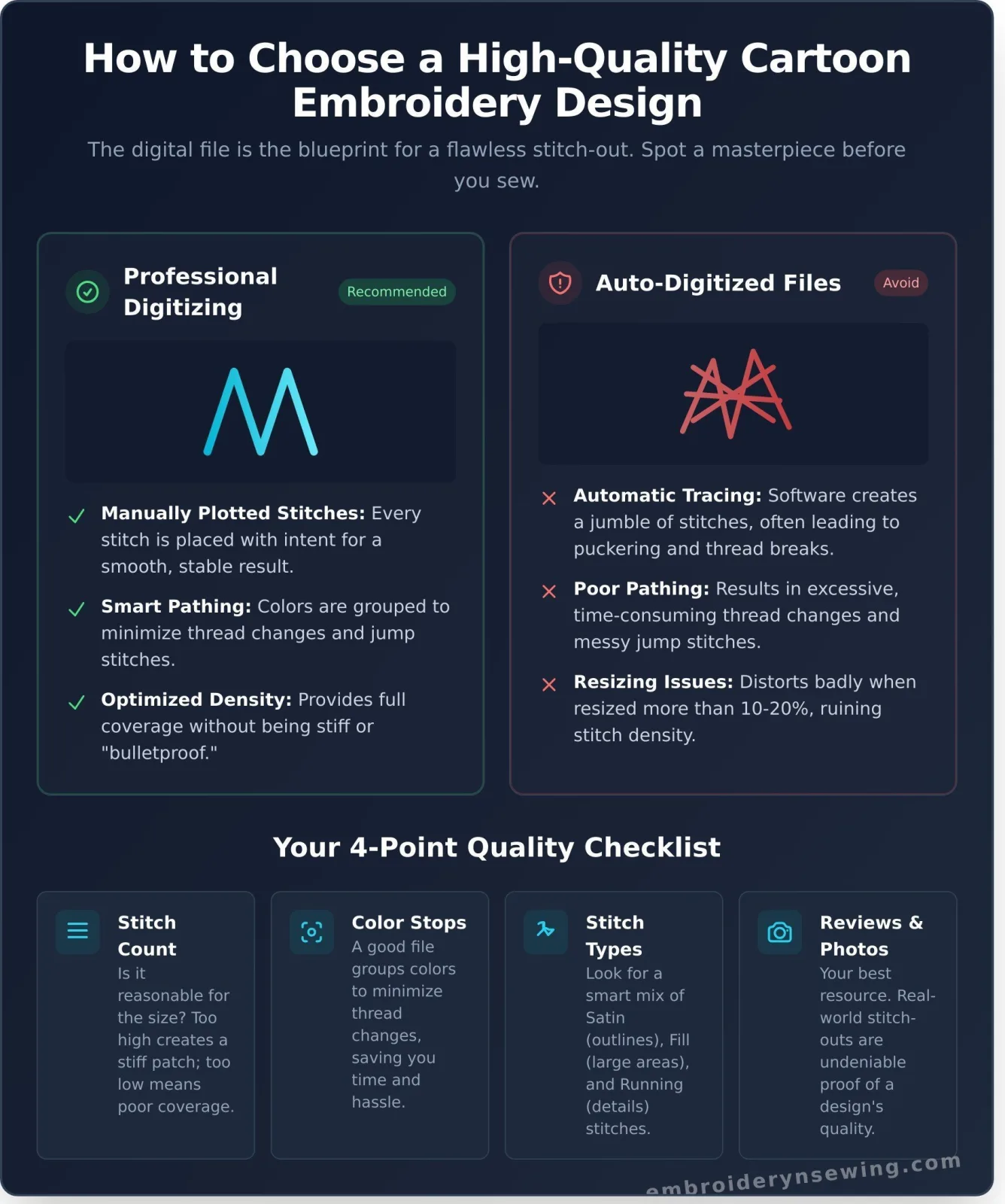
- Stitch Count: Is it reasonable for the design's size? An excessively high stitch count for a small design can create a stiff, "bulletproof" patch and cause needle breaks. A low count might result in poor coverage.
- Color Stops: A thoughtfully digitized file will group colors together to minimize the number of thread changes you have to make, saving you time and effort.
- Stitch Types: Look for a smart combination of stitch types. A great design uses satin stitches for smooth outlines, fill stitches for larger areas, and running stitches for fine details, creating texture and depth.
- Customer Reviews & Photos: This is your best resource. Look for reviews that include photos of finished projects. Real-world stitch-outs are undeniable proof of a design's quality.
The Dangers of 'Auto-Digitized' and Poorly Converted Files
Many low-quality files are created using "auto-digitizing" software, which simply traces an image without any artistry or technical skill. This often results in a messy jumble of unnecessary stitches, poor pathing, and dense layers that are guaranteed to fail. Furthermore, resizing these or any embroidery file by more than 10-20% can ruin the design by distorting its stitch density and underlay.
In contrast, professional digitizers are artists who manually plot every single stitch. They understand how thread pulls on fabric and plan the stitch direction, density, and underlay for a smooth, stable result. True professionals respect the source material, understanding the nuances of translating artwork and the importance of Copyright protection for characters.
File Formats: Ensuring Compatibility with Your Machine
Embroidery machines from different brands read different languages. That's why you see various file formats like PES (for Brother/Babylock), JEF (for Janome), HUS (for Husqvarna/Viking), and DST (for many commercial machines). A reputable seller will always provide their cartoon character embroidery designs in a downloadable ZIP file containing all major formats, ensuring you have the right one for your machine.
Our designs come in all major formats to guarantee compatibility. Browse Cartoon Designs Now.
A Stitcher's Guide to Copyright: Using Famous Characters
One of the biggest joys in embroidery is bringing a beloved character to life with thread. However, diving into the world of cartoon character embroidery designs means navigating the complex waters of copyright and trademark law. Tackling this topic head-on is crucial. While embroidery has for centuries been a personal art of decorating material, the characters we love are almost always the intellectual property of large corporations. Understanding the rules helps you enjoy your hobby responsibly and protects you from legal trouble.
The vast majority of famous cartoon characters-from classic movie heroes to modern anime stars-are protected by copyright and trademark. This means the owner has exclusive rights to control how that character's image is used. Let's break down what this means for you, the hobbyist stitcher.
Personal Use vs. Commercial Use
The most important distinction in copyright law is whether your project is for personal or commercial use. Getting this right is key to staying on the right side of the law.
- Personal Use: This is generally acceptable. You can stitch a design for your own enjoyment or to give as a genuine gift to a friend or family member. Think of it as creating a single piece of fan art that isn't being sold.
- Commercial Use: This is where things get serious. You cannot legally sell any item-a t-shirt, a patch, a tote bag-that features a copyrighted character without a license. This applies even if you drew the design yourself or purchased the digital embroidery file. Buying a design file grants you a license to use the file, not the character's intellectual property.
Understanding Licensed vs. 'Inspired-By' Designs
When you shop for cartoon character embroidery designs, you'll encounter a few different types. Licensed designs are officially approved by the copyright holder for sale. These are rare, often sold directly by major brands (like Brother's Disney collection), and are the only 100% legal way to create items for sale. More common are "inspired-by" or "fan art" designs. These designs mimic a character's style, colors, or silhouette without using official names or logos. While popular, they exist in a legal gray area. The best practice is to always respect the terms of use provided by the digitizer who created the file; most explicitly forbid commercial use of their work.
Essential Tips for a Flawless Cartoon Character Stitch-Out
You’ve found the perfect design, and now it's time to bring that vibrant character to life on fabric. This is where the magic happens, but remember: preparation is 90% of the battle. The bold outlines and dense color blocks common in cartoon character embroidery designs require a solid plan to prevent puckering, thread breaks, and disappointment. Follow these essential steps to ensure your project stitches out beautifully every single time.
Stabilizer: Your Project's Foundation
Think of stabilizer as the scaffolding for your stitches. It's non-negotiable for preventing fabric from stretching and distorting under the weight of dense embroidery. Choosing the right type is crucial for a professional finish.
- Cut-Away Stabilizer: Your go-to for stretchy knits like t-shirts and sweatshirts. It provides permanent support and prevents the design from warping after washing.
- Tear-Away Stabilizer: Ideal for stable, woven fabrics such as denim, canvas, or quilting cotton. It provides support during stitching and is easily removed afterward.
- Water-Soluble Topping: Use this on top of your fabric when working with high-pile materials like fleece, terry cloth towels, or minky. It keeps your stitches from sinking into the fabric, ensuring crisp, clean lines.
Needles and Thread: The Dynamic Duo
Never underestimate the importance of a fresh needle and quality thread. A dull or damaged needle can shred thread and snag fabric. For most projects, starting with a new size 75/11 or 80/12 embroidery needle is a simple rule for success. When it comes to thread, you have two excellent choices: polyester is incredibly durable and colorfast, while rayon offers a beautiful, high-sheen finish. Pro Tip: Before you even thread your machine, print out the design's color sheet and pull your thread spools to match them. This saves time and prevents color mix-ups mid-project.
Machine Settings for Success
Your embroidery machine is a powerful tool, but it needs the right instructions. For designs with large, dense fill areas, slow down your machine's stitch speed. This reduces friction on the needle and thread, minimizing the chance of breaks and ensuring more precise stitches. Always check your bobbin tension before starting; loops or "bird nesting" on the back of your project is a classic sign that it's too loose. Finally, the most important rule of all: always perform a test stitch-out on a scrap of similar fabric with the same stabilizer. This five-minute test can save you from ruining your final garment.
Mastering these fundamentals will transform your results. For more in-depth tutorials and high-quality supplies, explore the resources at embroiderynsewing.com.
Explore Our Collection of Cartoon-Inspired Embroidery Designs
Now that you're equipped with the knowledge to choose and stitch the perfect design, it's time for the fun part: exploring a world of creative possibilities. Our collection is a carefully curated library of high-quality cartoon character embroidery designs, each professionally digitized to ensure a flawless stitch-out on your machine. We obsess over the details-clean lines, smart color layering, and optimized stitch paths-so you can spend less time troubleshooting and more time creating beautiful, durable pieces. From simple line art to full-color masterpieces, you'll find inspiration for every project.
For the Little Ones: Nursery & Toddler Favorites
Create cherished keepsakes with our nursery and toddler favorites. This selection features gentle sleeping animals, sweet storybook characters, and simple, charming shapes like smiling stars and fluffy clouds. These designs are specifically optimized with lower stitch counts and minimal jump stitches, making them perfect for delicate baby fabrics. Bring a touch of magic to onesies, bibs, and soft blankets without making the material stiff or scratchy.
Action & Adventure: Superhero and Sci-Fi Styles
Unleash your inner hero with bold and dynamic designs inspired by comics, sci-fi epics, and action-packed animated series. These high-impact patterns are ideal for making a statement on the back of a denim jacket, a sturdy canvas tote bag, or as a centerpiece for bedroom decor. Many of our superhero styles incorporate appliqué techniques, allowing you to use fabric pieces to create vibrant, layered emblems with impressive dimension and a professional finish that truly stands out.
Nostalgic Classics: Retro & Vintage Toons
Take a trip down memory lane with our growing collection of retro and vintage toons. Perfect for the adult fan who never grew up, these designs celebrate the iconic characters from the 80s, 90s, and beyond. It’s the perfect way to connect with your inner child or create a unique, conversation-starting gift. Personalize a sweatshirt with your childhood favorite, add a pop of fun to a baseball cap, or create a set of unique patches to show off your fandom.
No matter which era or style you love, our library of cartoon character embroidery designs has something to spark your creativity. We are constantly adding new and exciting patterns to the collection.
Ready to get stitching? Find your next favorite character design!
Bring Your Favorite Characters to Life, One Stitch at a Time
From understanding the magic of bringing beloved characters to life on fabric to navigating the essentials of copyright and flawless stitch-outs, you now have the knowledge to tackle any cartoon-inspired project with confidence. Remember that the foundation of a stunning final piece is always a high-quality, professionally crafted design. This ensures every detail, from a mischievous grin to a superhero's cape, is captured perfectly in thread.
Are you ready to find your next masterpiece? It's time to stop searching and start stitching. We invite you to explore a massive library of unique and classic cartoon character embroidery designs, each one professionally digitized for a flawless stitch-out. With instant downloads available in all major machine formats, your next creative adventure is just a click away.
Browse our huge collection of cartoon character embroidery designs!
Happy stitching, and may your next project be your most animated one yet!
Frequently Asked Questions
What's the difference between fill stitch and appliqué cartoon designs?
A fill stitch design uses thousands of stitches to completely "color in" an area with thread, creating a solid, textured effect similar to a patch. It’s ideal for intricate details. Appliqué, however, uses pieces of fabric for larger color blocks. These fabric pieces are tacked down and then secured with an outline stitch, typically a satin stitch. Appliqué is great for reducing high stitch counts and adding a layered, dimensional look to simpler shapes.
Can I resize a cartoon embroidery design I purchased?
You can, but with caution. Most digitizers recommend resizing a design no more than 10-20%. Simply scaling it on your machine can distort the stitch density, creating gaps when enlarged or causing puckering and thread breaks when shrunk. For the best results, use dedicated embroidery software that can recalculate the stitches for the new size, which properly preserves the design's integrity and ensures a quality stitch-out on your project.
What's the best fabric to use for embroidering detailed cartoon characters?
Stable, medium-weight woven fabrics are your best choice for detailed designs. Materials like cotton twill, denim, or canvas provide a firm foundation that can support a high stitch count without stretching or puckering. This stability ensures that fine lines, small text, and intricate details in your cartoon character stitch out cleanly and crisply. For a smoother finish, avoid heavily textured fabrics that could interfere with the small stitches and details.
How do I prevent puckering around my embroidered design on a t-shirt?
Puckering on stretchy t-shirt fabric is almost always a stabilization issue. Use a quality cut-away stabilizer, as it provides permanent support even after washing. When hooping, make sure the fabric and stabilizer are taut like a drum, but not stretched. Stretching the fabric in the hoop will cause it to relax and pucker once it's removed. Using a ballpoint needle and a slightly slower machine speed can also help prevent distortion.
Are paid embroidery designs better than the free ones I find online?
Generally, yes. Paid designs are created by professional digitizers who meticulously test each design to ensure optimal stitch paths, density, and sequencing. This results in a clean, smooth stitch-out with minimal issues. While some free cartoon character embroidery designs are good, many are poorly digitized or auto-traced, which can lead to thread nests, excessive jump stitches, and puckering. Paying for a design is an investment in quality and a trouble-free embroidery experience.
What file format do I need for my Brother/Janome/Husqvarna embroidery machine?
Each machine brand reads a specific file format. For Brother machines, you will need .PES files. Janome machines typically use .JEF files. For Husqvarna Viking, the most common formats are .VP3 or .HUS. Fortunately, most designers provide their patterns in a zipped folder containing all major formats. When you download a design, simply find and use the file extension that corresponds with your machine brand. Always check your manual if you are unsure.


