A bold mascot on a team hoodie, a name on a baby blanket, and a large letter on a tote can all look great in embroidery. But the right method is not always the same. In the filled stitch versus applique decision, the best choice comes down to the size of the design, the fabric you are stitching, the finish you want, and how quickly you need to complete each item.
Filled embroidery gives you a fully threaded, polished look. Applique uses a piece of fabric as part of the design, then secures and finishes it with embroidery. Both methods can create high-impact sports, school, seasonal, cartoon, and personalized projects. Knowing where each one shines helps you choose embroidery files that fit the item in your hoop and the result your customer or recipient expects.
## What Is a Filled Stitch Design?
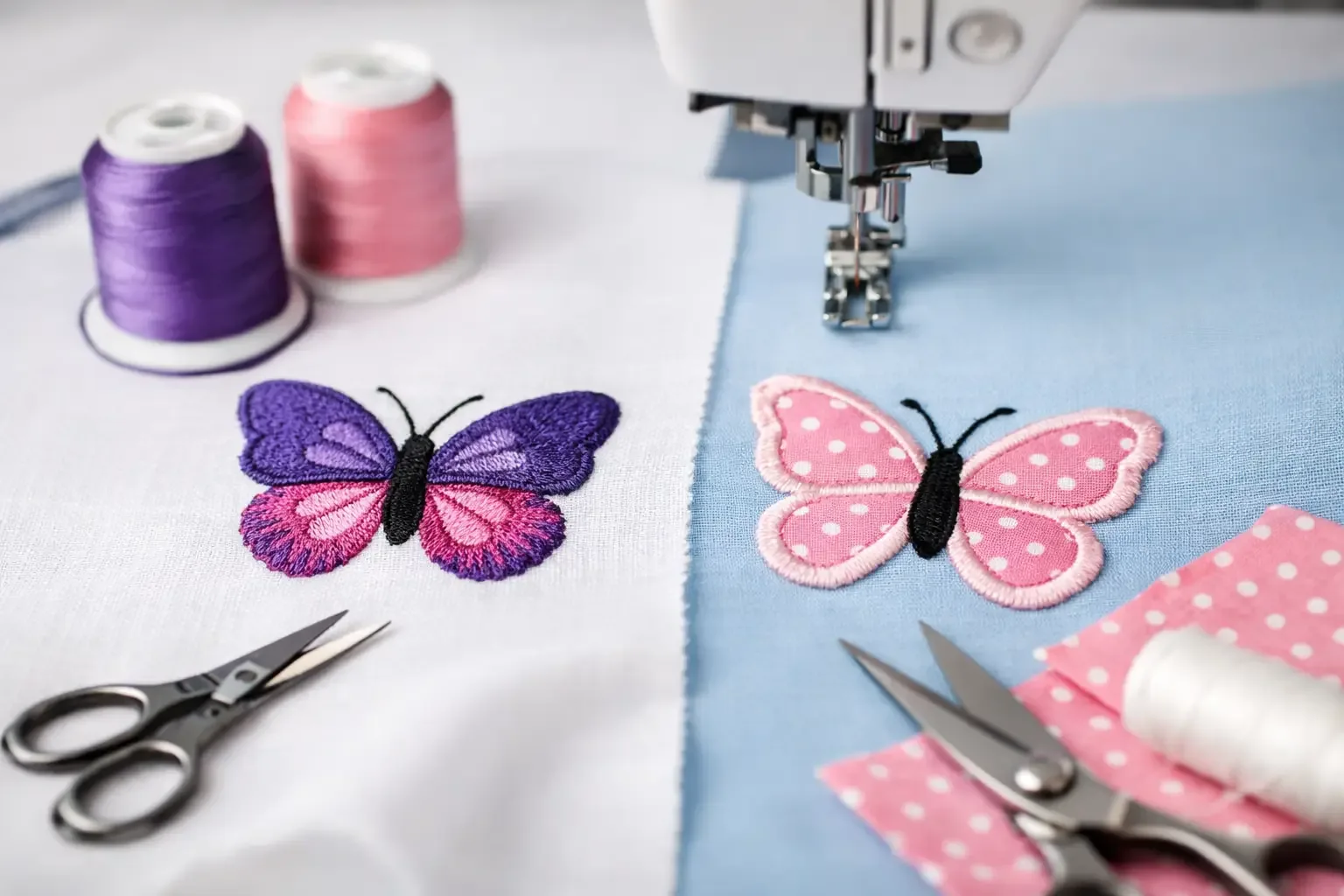
A filled stitch design uses dense embroidery stitches to cover an area with thread. In machine embroidery, this is often a tatami fill, although small areas may use satin stitches instead. The machine builds color, texture, and shape directly with thread, without adding separate fabric pieces.
Filled designs are a strong choice when detail matters. A small character face, a floral center, a compact monogram, or a detailed logo-style design needs clean edges and controlled color changes. Thread can capture tiny elements that would be difficult to cut accurately from applique fabric.
This style also gives a consistent finish from project to project. If you are making matching shirts, caps, patches, or gift sets, every stitched area is created the same way. You do not need to match applique fabric, cut pieces, or manage raw fabric edges.
The trade-off is stitch count. Large filled areas can take longer to run, use more thread, and create a heavier result. On lightweight tees or stretchy fabrics, a dense fill can cause puckering, distortion, or a stiff patch of embroidery unless your stabilizer, hooping, and design size are well matched.
What Is an Applique Design?
Applique embroidery uses fabric to fill a larger shape. A typical machine applique file stitches a placement line first. You lay the fabric over that area, stitch a tack-down line to secure it, trim close to the stitching, then let the machine add a satin, zigzag, or decorative finish around the edge.
Instead of thousands of thread stitches filling a large letter or shape, the applique fabric provides the color and coverage. The embroidery thread is mainly used for the outline and any added details. This can dramatically reduce stitch time on bigger designs.
Applique is especially popular for oversized initials, school spirit shirts, team-style numbers, holiday towels, children’s outfits, and bold tote bag designs. A striped fabric can make a simple letter feel playful. Glitter fabric can turn a birthday shirt into a standout piece. Twill or felt can create a classic varsity look for jackets and bags.
Applique is not always the fast option, though. The machine may run fewer stitches, but you still need to stop, place the fabric, trim it neatly, and continue. That hands-on step is easy to manage for a single gift, but it adds up if you are producing a large batch of items for a boutique order.
## Filled Stitch Versus Applique: The Main Differences
The most visible difference is texture. A filled stitch design has a thread-forward finish with visible stitch direction and dense color coverage. Applique has a fabric-forward finish, often with a raised outlined edge. Neither is automatically better. They simply communicate different styles.
Filled embroidery is usually better for fine details, small artwork, and designs that need several colors in a compact space. Applique is usually better for large, simple shapes that benefit from color, pattern, or texture from fabric.
Stitch time is another practical difference. A large fill-stitch letter can contain many thousands of stitches. Its applique version may stitch much faster because the fabric covers the center. This matters when you are decorating several sweatshirts, making team gifts before a game, or selling personalized items with a tight turnaround.
Material cost can shift either way. Filled designs use more thread, while applique requires extra fabric or specialty material. If you already keep felt, cotton prints, athletic twill, or glitter applique material on hand, applique can be very economical. If you want a simple process with no trimming and no fabric selection, filled embroidery may be worth the extra machine time.
When Filled Stitch Is the Better Pick
Choose a filled stitch design when the artwork is detailed or relatively small. It is a reliable option for compact chest logos, cap fronts, small monograms, intricate animals, portraits in simplified embroidery style, and designs with narrow color sections.
It is also useful when you want the design to look the same regardless of the base item. A filled football-themed emblem can stitch on a towel, backpack, fleece jacket, or patch material without needing a separate applique fabric that coordinates with each project.
For custom apparel makers, filled embroidery may feel more premium on certain items. A carefully digitized fill can give a polished dimensional appearance, especially when paired with satin borders and well-planned stitch angles. The key word is carefully digitized. Dense stitching with poor underlay or unsuitable settings can make even a great graphic stitch poorly.
When Applique Is the Better Pick
Choose applique when the shape is large and uncomplicated. Big letters, block numbers, hearts, stars, pumpkins, animals with broad bodies, and school-spirit shapes are ideal candidates. The fabric becomes a feature, not just a shortcut.
Applique is a practical choice on sweatshirts, hoodies, tote bags, blankets, and children’s clothing because it keeps large designs from becoming overly thread-heavy. A fabric-filled initial on a hoodie is often softer and more flexible than the same initial covered wall-to-wall in dense thread.
It is also the better option when you want creative variety without changing the file. One applique letter design can look completely different in camouflage, gingham, sports-print cotton, denim, felt, or glitter material. This is useful for makers creating coordinated birthday outfits, school accessories, seasonal décor, or made-to-order items.
Match the Method to Your Fabric
The base fabric matters as much as the embroidery design. Stable fabrics such as canvas, denim, twill, and many quilted items can support larger filled areas more easily. Soft knits, thin cotton tees, and stretchy performance fabrics need more care because dense fills can pull the fabric inward.
For filled stitch embroidery on knits, use appropriate cut-away stabilizer and avoid enlarging a dense design beyond what the digitizing supports. A design that stitches beautifully at four inches may become heavy and distorted if enlarged significantly. If a large, bold look is the goal, an applique version is often the smarter starting point.
Applique fabric should also fit the project. Cotton fabric works well for many casual pieces, while felt resists fraying and is beginner-friendly. Twill gives a sports jersey feel. Specialty materials can add sparkle or texture, but test them first to make sure the needle, thread, and stitch settings create a clean edge.
If you are appliqueing on towels or plush fabrics, consider whether the outline will sink into the pile. A topping can help keep stitches visible. For fleece and high-pile fabrics, a filled design with clear underlay may sometimes produce a cleaner small detail, while applique works well for bigger shapes with a bold border.
Choose Files That Match Your Workflow
Not every embroidery design can become applique just because the artwork has large colored areas. A true applique file includes the needed placement and tack-down steps in the stitch sequence. Before starting, review the color chart or instructions so you know when to place fabric, when to trim, and which thread color creates the final border.
For filled designs, check the stitch count, finished dimensions, and available machine format before purchasing. For applique, check the design size and make sure your hoop accommodates the final outline with enough room around it. A file made for a 5 x 7 hoop may not fit a smaller hoop even if the visible shape seems close.
If you are selling finished products, standardize a few dependable combinations. For example, use filled stitch designs for small left-chest artwork and detailed patches, then use applique for large names, jersey numbers, and oversized seasonal graphics. This keeps your production time predictable while still giving customers a wide range of looks.
Embroidery n Sewing offers instant-download designs across popular sports, school, character-inspired, seasonal, and personalized themes, making it easier to choose a style that fits the project instead of forcing one technique onto every item.
Use Both for More Dimension
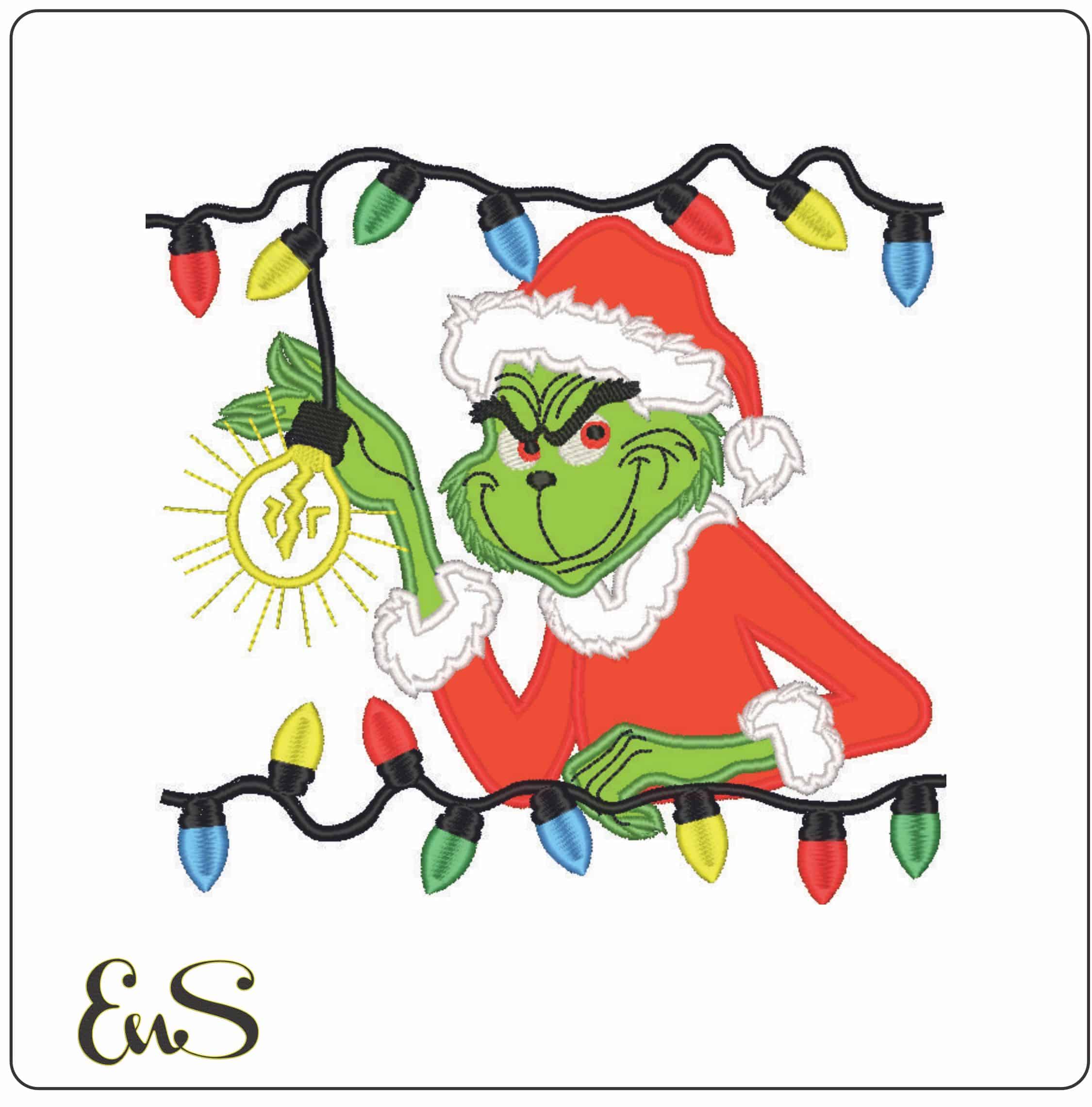
The choice does not have to be all filled stitching or all applique. Many eye-catching embroidery files combine both. An applique mascot body can have filled eyes, lettering, facial details, and accent lines. A large applique number can include a filled team-style emblem. A fabric-filled holiday shape can feature dense embroidered snowflakes, names, or decorative borders.
Combined designs let you keep the softness and speed benefits of applique while using filled stitches where precision matters. They are especially effective for children’s garments, sports bags, school-spirit apparel, and giftable home décor because the finished piece has more texture and visual depth.
Start with the result you want people to notice. If the design needs intricate thread detail and a clean embroidered surface, choose filled stitching. If it needs a big, colorful shape with personality and less thread density, choose applique. The right file turns a blank shirt, bag, towel, or jacket into a project people will want to wear, gift, and order again.