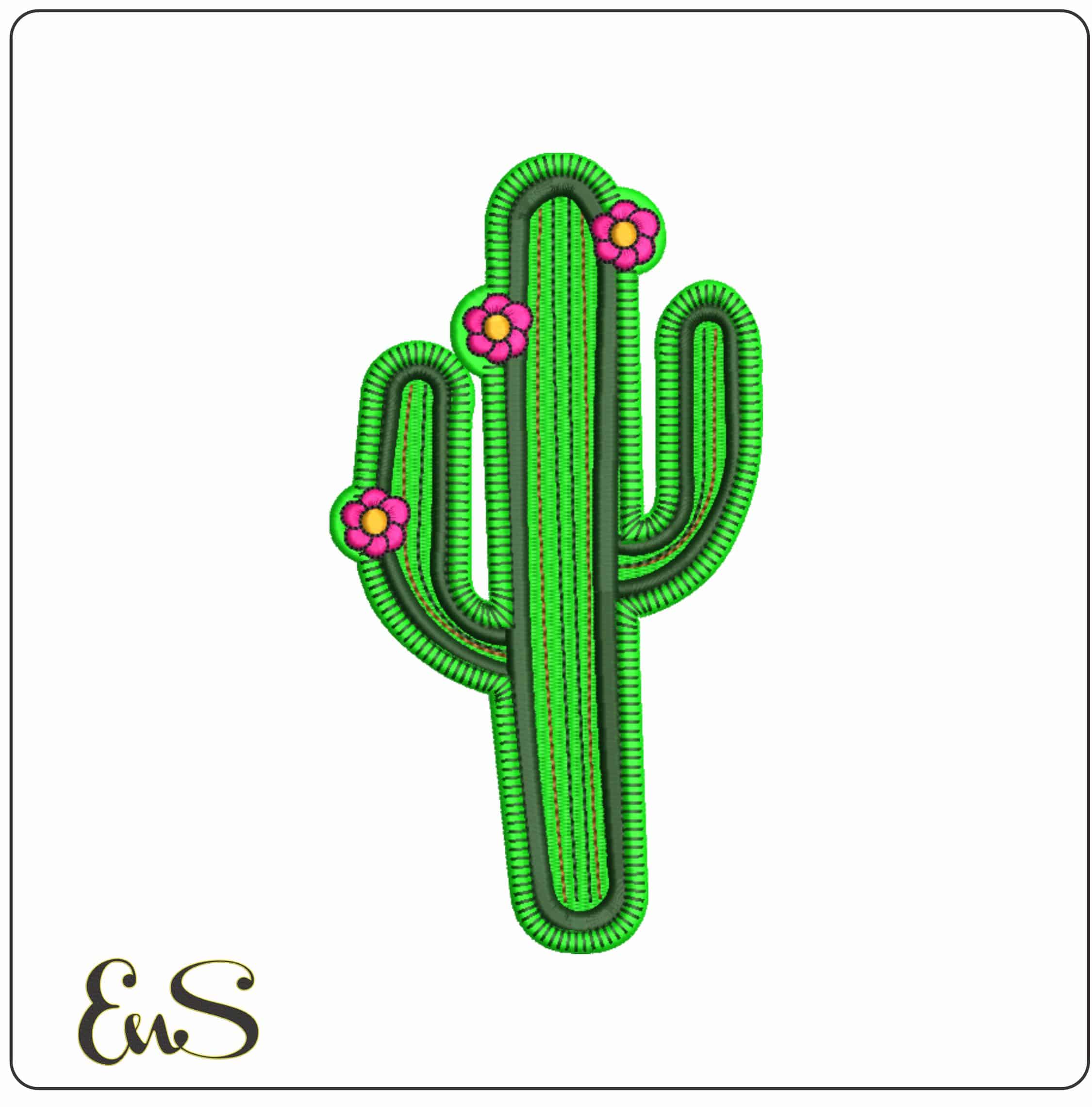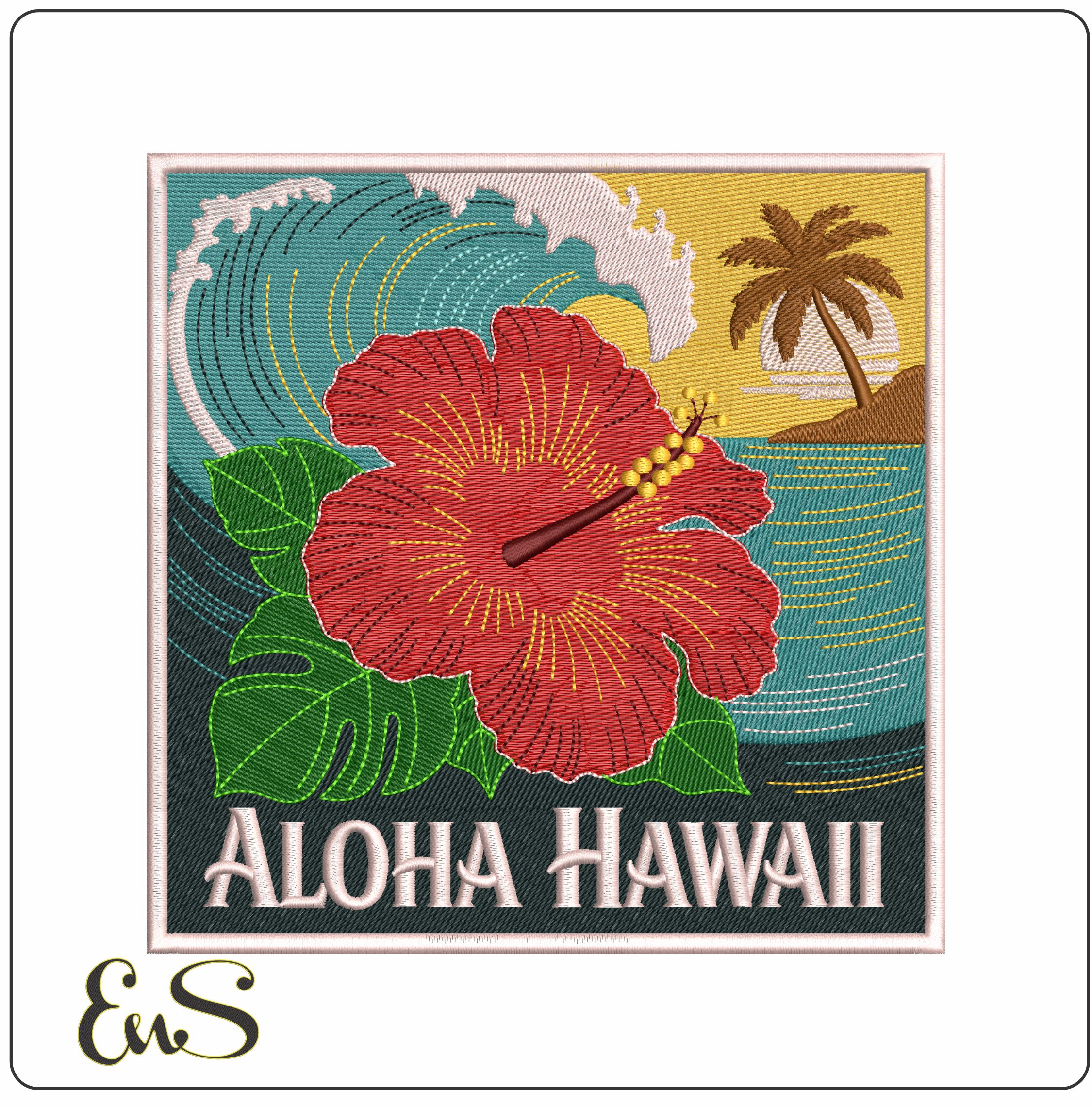
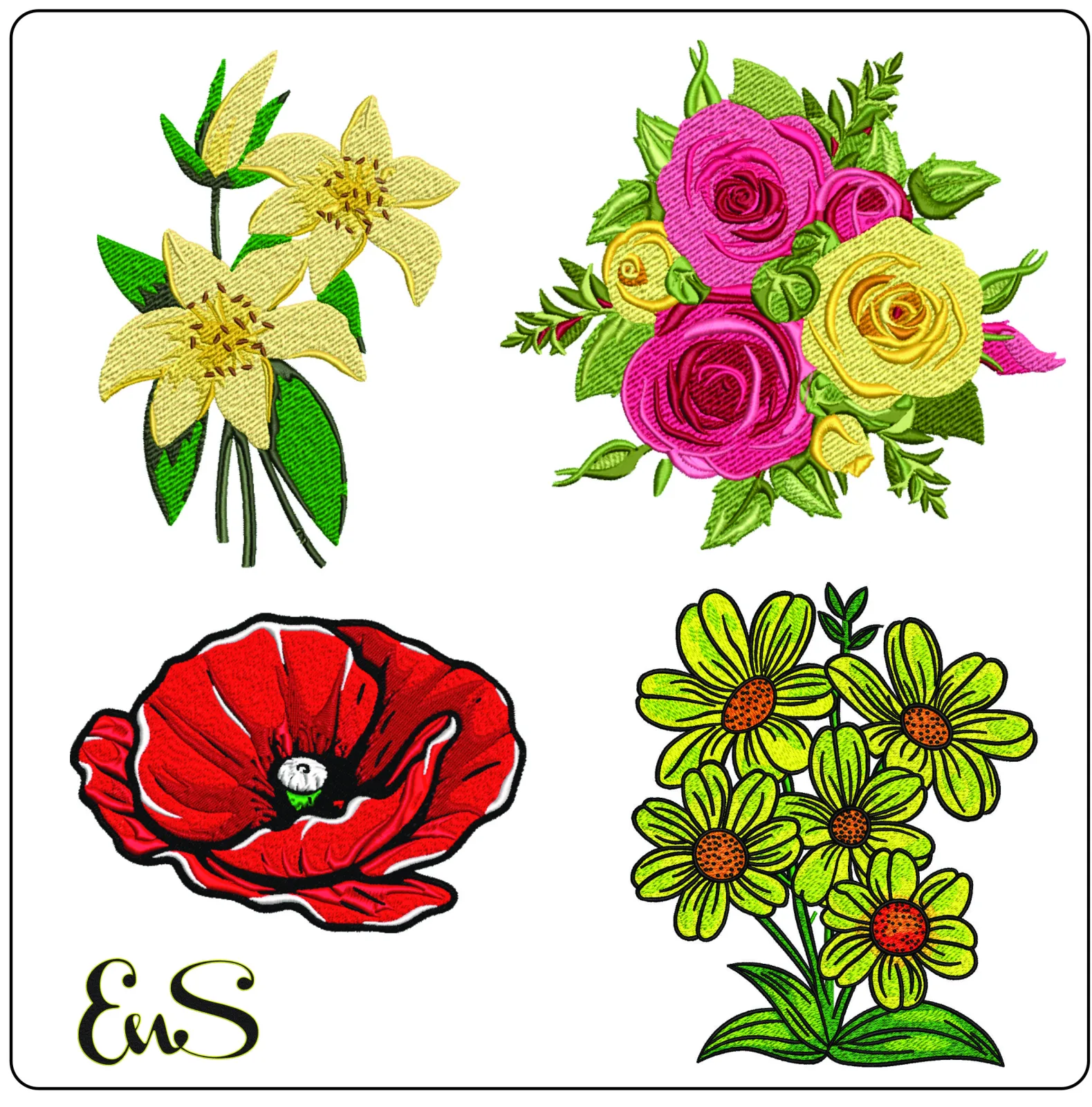
A floral design can turn a plain denim jacket into a boutique piece, make a baby blanket feel personal, or give a market tote a polished finish. The best flower embroidery patterns make that transformation easy because they arrive ready to stitch, with clear details, balanced shapes, and a look that fits the project you have in mind.
For machine embroidery, the goal is not simply to choose the prettiest bloom. You need a design that works with your hoop size, fabric weight, thread colors, and finished use. A dense rose may look perfect on a canvas bag but feel stiff on a soft T-shirt. A tiny wildflower spray may shine on a pocket or cuff but disappear on a throw pillow. Choosing well at the start saves stabilizer, thread, and frustration.
## Flower Embroidery Patterns by Project Type
Florals are one of the most flexible design categories in machine embroidery. A single flower, a full bouquet, a botanical border, or a repeating vine can be adapted for gifts, apparel, accessories, and home décor. Start with where the finished item will be used, then choose the size and stitch style that supports it.
### Apparel and Boutique Pieces
For shirts, sweatshirts, denim jackets, and hats, look for floral files with clean outlines and moderate stitch density. Small flowers placed on a left chest, sleeve, cuff, or pocket create an easy boutique look without overwhelming the garment. Floral monograms are also a strong choice for bridal parties, birthday gifts, and personalized apparel.
Larger florals work especially well on jacket backs, oversized sweatshirts, and apron fronts. When stitching on knit or stretchy fabrics, pair the design with the right cut-away stabilizer and consider a lighter-fill pattern. Heavy coverage can pull lightweight fabric out of shape, even when the artwork looks great on screen.
Flower designs make everyday gifts feel made for one person. A sunflower can brighten a kitchen towel, while a delicate daisy cluster works beautifully on a cosmetic bag or zipper pouch. Birth-month flowers, garden themes, and floral initials give makers plenty of ways to create personalized items without needing custom digitizing.
For gift sets, repeat one motif across several items. Stitch the same lavender sprig onto a tote bag, a small pouch, and a tea towel. Matching details make a simple project look intentional and can help craft sellers create coordinated product collections.
Pillows, table runners, napkins, wall hangings, and framed hoop art give you more space for detailed flower embroidery patterns. This is where layered bouquets, watercolor-style floral fills, and botanical wreaths can stand out. Linen, cotton canvas, felt, and denim are all forgiving options for designs with more stitches.
A floral border is often more useful than one large centered design. Use it along the edge of a table runner, around a pillow panel, or at the hem of a kitchen towel. Borders also make it easier to build a polished collection from several coordinating files.
Choose the Right Floral Style
Flower embroidery is not one look. The style you choose determines whether your project feels rustic, modern, playful, elegant, or seasonal.
Line-art florals use simple outlines and open areas. They stitch quickly, use less thread, and suit minimalist apparel, canvas totes, and modern home accents. Filled florals use more color and coverage, creating a bold result for jackets, patches, pillows, and statement hoop art.
Watercolor-inspired flowers use layered colors and softer transitions. These files can produce a beautiful painted effect, but they usually require more thread changes and benefit from a stable fabric. If you are making multiples for a craft fair or online shop, a simpler flower with fewer color stops may be the better production choice.
Applique flowers are another practical option. They add fabric texture while reducing stitch count across larger petals or leaves. Applique works well for children’s items, quilt blocks, bags, and seasonal décor. Just make sure the fabric used for the applique is compatible with the base material and can handle regular washing.
Match Design Size to Your Hoop and Fabric
Before downloading a design, check its dimensions rather than relying on the product image. A pattern shown on a large hoop may not be available in the size you need. If you use a 4x4 hoop, select a flower design created for that space. Resizing embroidery files too far up or down can affect stitch density, details, and registration.
Fabric matters just as much as hoop size. Structured materials such as canvas, twill, denim, and felt can support fuller floral designs. Lightweight cotton, jersey, and delicate garments generally need smaller designs with less dense fill stitching. Towels can handle bold flowers, but the texture may hide fine details, so consider a topper and choose designs with visible outlines.
Placement changes the visual impact, too. A 3-inch floral spray may be perfect for a shirt pocket but look undersized on the front of a tote. For adult apparel, use a placement template or printout whenever possible. A few minutes of measuring is far less expensive than redoing a finished garment.
Build Better Color Palettes
The thread chart included with a file is a useful starting point, not a rule. You can often swap thread colors to match a school palette, a wedding theme, a nursery, or a customer’s favorite shades. Keep the value contrast in mind: a pale yellow flower on white fabric may lose its shape, while a dark outline can make even soft pastels easier to see.
Choose one dominant flower color, one accent color, and a green that complements both. For a classic look, try red roses with deep green leaves. For a softer farmhouse feel, use dusty pink, muted blue, cream, and sage. Bright sunflowers, orange marigolds, and bold tropical blooms are strong choices for summer bags, beach towels, and cheerful kitchen décor.
If you sell finished items, photograph your stitched sample in the same colors you plan to offer. Customers respond better when they can see the actual thread finish, fabric texture, and scale instead of only a digital preview.
Prepare Your Machine Embroidery File
An instant-download design gets you to the creative part faster, but setup still matters. Confirm that the file format matches your embroidery machine before you stitch. Common formats vary by machine brand, and a file that is not compatible can stop a project before it begins.
Before your first stitch-out, take a moment to check these essentials:
- Confirm the design size fits your hoop and intended placement.
- Use stabilizer suited to the fabric, not just the design.
- Wind enough bobbin thread for the full stitch count.
- Match the needle to the fabric and thread type.
- Stitch a test sample when using a new fabric, thread palette, or larger floral file.
A test stitch is especially worthwhile for detailed petals, narrow stems, and designs with several overlapping colors. It reveals whether the fabric needs more support and lets you adjust thread colors before committing to the final item.
Find Florals for Every Season and Customer
A strong floral library gives makers options beyond spring. Tulips, daisies, and cherry blossoms fit spring projects. Sunflowers and wildflowers suit summer market bags and porch décor. Fall flowers, leaves, and warm botanical sprays work for Thanksgiving linens and harvest-themed apparel. Poinsettias, holly, and winter greenery carry floral stitching into the holiday season.
For makers who sell, florals are also a dependable category because they pair naturally with names, monograms, birth dates, and occasion text. A simple daisy design can become a personalized birthday shirt. A wreath can frame a newlywed last name. A small rose can add a refined accent to a bridal robe or makeup bag.
Embroidery n Sewing offers floral options alongside a wide range of themes, so you can build a project around one design category or combine flowers with fonts, seasonal details, and personalized elements. The right file lets you move from idea to stitch-out without waiting for custom artwork.
Start with the item you want to make, choose a flower style that fits its fabric and purpose, and let your thread colors make it your own. One well-chosen floral design can become the detail customers remember, the gift recipient keeps, or the sample that inspires your next collection.