A good machine embroidery fonts download can save you hours of trial and error. It can also turn a simple towel, baby blanket, team hoodie, or boutique gift into something that looks planned, polished, and ready to stitch. The catch is that fonts are not all built the same, and the difference shows up fast once the needle starts moving.
## What to look for in a machine embroidery fonts download
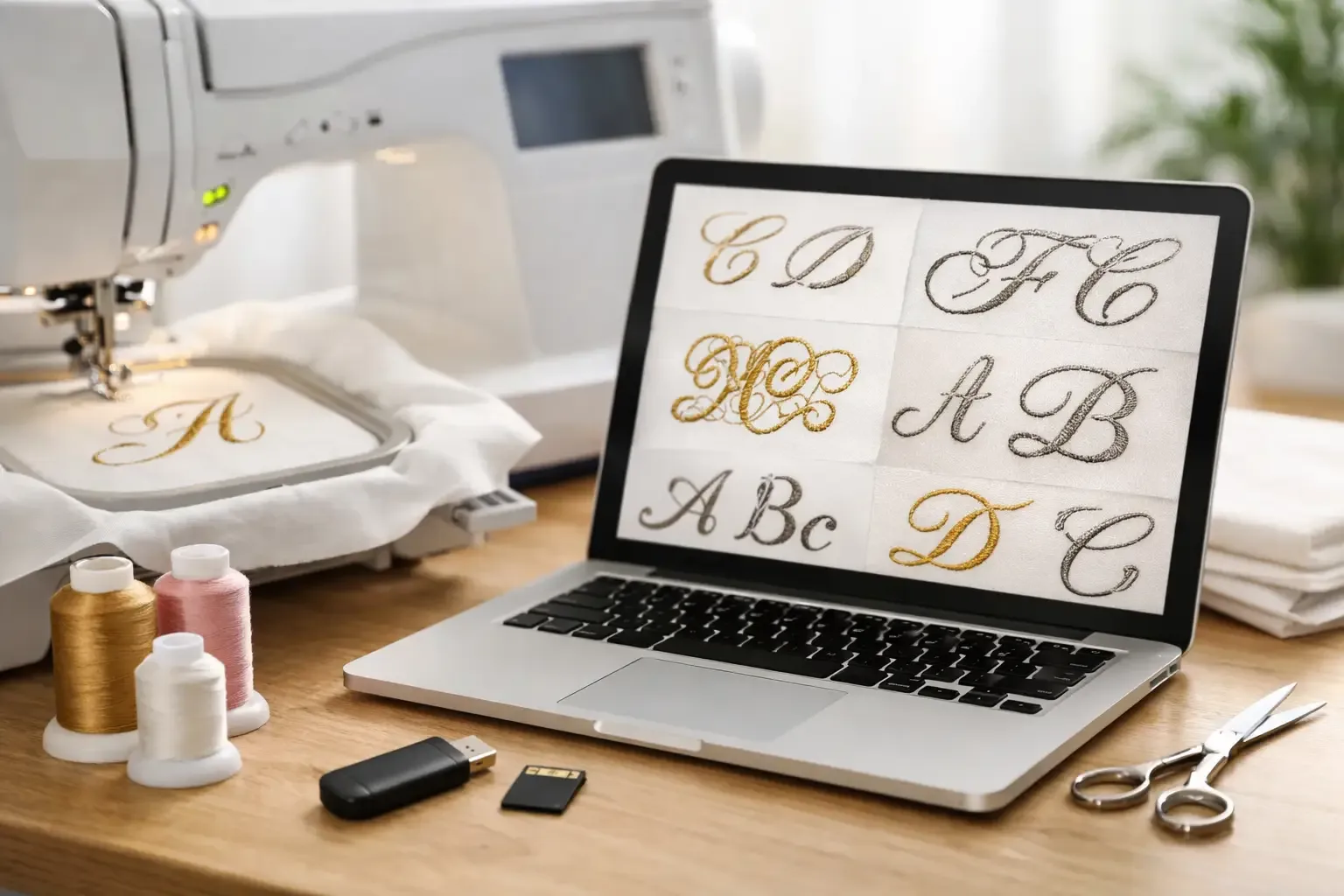
When shoppers look for embroidery fonts, they are usually after one of two things. They either want a clean basic alphabet for names and monograms, or they want a themed font that adds personality right away. Both can work well, but the right choice depends on fabric, hoop size, machine format, and how the finished item will be used. A solid font download should start with clear format support. If your machine reads PES, DST, EXP, HUS, JEF, VP3, or another specific file type, that needs to be confirmed before purchase. This sounds obvious, but it is still one of the most common reasons buyers end up with files they cannot use immediately. Sizing matters just as much. Some fonts sew beautifully at 1 inch and fall apart when reduced. Others are built specifically for small lettering on cuffs, collars, and baby items. If you sell personalized goods or decorate apparel for customers, this matters even more because small text has to stay readable after stitching, not just look nice in a listing image. The stitch style is another practical detail that separates a usable font from a frustrating one. Satin stitch lettering is often bold and readable, especially for names and initials. Fill stitch fonts can create a more decorative look, but they may require more stabilization and work better at larger sizes. Running stitch fonts are useful for lighter, more delicate projects, though they will not give the same bold finish as satin columns.
Why font quality shows up fast on the machine
Fonts are less forgiving than many graphic embroidery designs. A flower or mascot design can hide small stitch issues inside the overall artwork. Lettering cannot. If the spacing is off, if the columns are too dense, or if the underlay is poorly planned, you will notice it right away. This is why a low-cost file is only a good value when it actually sews cleanly. A cheap font that birds-nests, shifts, or turns block letters into blobs is not saving money. It is wasting stabilizer, thread, fabric, and production time. For hobbyists, that means frustration on a personal project. For small sellers and custom apparel makers, it can mean remakes, unhappy customers, and extra labor on what should have been a quick name add-on. Good embroidery fonts earn their keep by being easy to run and easy to read.
[Picking the right font for the project]
The best font is rarely the fanciest one. It is the one that fits the item and holds up at the size you need. For baby gifts, blankets, bibs, and keepsakes, softer script fonts are popular, but they need enough height and width to stay legible. Very thin script can look elegant in photos and stitch poorly on textured fabrics like plush fleece or terry cloth. In that case, a slightly thicker script or a simple serif often gives a better result. For sports gear, school spirit items, and team-themed apparel, block fonts usually make more sense. They read well from a distance, hold up on sweatshirts and jackets, and pair naturally with mascot, stadium, and logo-style designs. If you are building names onto fan wear, bold lettering tends to outperform decorative alphabets. For boutique products and [Etsy-style personalization], it depends on your buyer. Some customers want clean modern capitals for bags and hats. Others want playful applique-style letters for kids' items. The smart move is to shop by use case, not just by appearance. Ask yourself where the font will be stitched, how small it needs to go, and whether the fabric has stretch, pile, or texture.
[Machine embroidery fonts download by category]
A large marketplace helps because font shopping is easier when choices are organized. Instead of scrolling through random alphabets, it is more useful to browse by style and purpose. Block fonts are the practical everyday option. They work well for names, team gear, school apparel, tote bags, and simple personalization. Script fonts are popular for gifts, monograms, wedding-related items, and feminine boutique pieces. Applique alphabets can add texture and color for children's items, seasonal projects, and standout custom pieces. Decorative themed fonts are useful when the lettering needs to match a specific mood, holiday, sport, or fandom project. This category-driven approach is where a broad digital marketplace becomes more helpful than a scattered file source. When you can move from sports-inspired designs to matching lettering, or from baby themes to a coordinating alphabet, project planning gets much faster. At Embroidery n Sewing, that kind of variety is part of the value. Shoppers want instant download access and enough range to find a font that actually fits the job.
[Common mistakes buyers make]
The biggest mistake is buying based on preview art alone. Attractive previews matter, but they are only the starting point. You also need to know whether the listing shows actual stitched samples, what sizes are included, and which machine formats come with the download. Another common problem is choosing a font that is too detailed for the intended size. Tiny curls, exaggerated swashes, and narrow connectors may look great on a screen. On a cap side panel or shirt cuff, they can become unreadable. Buyers also get into trouble by ignoring fabric reality. Fonts that stitch nicely on stable cotton may struggle on towels, fleece, knits, or performance wear. It does not mean the font is bad. It means the project needs the right combination of size, [stabilizer, topper] if needed, and a font style suited to the surface. There is also the issue of project speed. If you personalize items for sale, not every order needs a highly decorative alphabet with multiple color changes. Sometimes a clean one-color block font is the better business choice because it runs faster and gives a more consistent finish across different items.
How to shop smarter for embroidery font files
A practical machine embroidery fonts download purchase starts with your machine format, then moves to stitch style, then to design category. That order matters because a beautiful font is useless if your machine will not read it, and a trendy style is not helpful if it cannot sew at your needed size. It helps to build a small font library with different jobs in mind. One or two dependable block fonts, one readable script, one playful kids' alphabet, and one decorative statement font can cover a lot of ground. From there, you can add more niche styles for seasonal products, school spirit items, or fandom-heavy projects. If you are a frequent seller, think in terms of repeat use. Which fonts will work across baby gifts, game day sweatshirts, monogrammed accessories, and quick personalized add-ons? The files that earn repeat stitches usually are not the most complicated ones. They are the ones that save time and perform well across multiple fabrics.
## Why instant download matters here
Font files are often bought for immediate use. Someone has a gift deadline, a last-minute customer order, or a same-day idea they want to get on the machine before the evening ends. That is why instant download is not just a convenience feature. For many embroidery buyers, it is the whole point. Being able to purchase, download, unzip, load the correct format, and start stitching without waiting makes a big difference. It keeps momentum going, especially for small shops and home embroiderers who batch projects on tight schedules. When the selection is broad and the categories are clear, that process gets even faster.
## A better way to judge value
The best value in machine embroidery fonts is not simply the lowest price. It is the mix of readability, format compatibility, size usefulness, and repeat project potential. A font that works on names, gifts, team items, and boutique pieces will likely be used again and again. That is a stronger buy than a cheap decorative alphabet that only works in one narrow situation. When you shop with that mindset, you stop collecting random files and start building a working font library. That makes personalization easier, project planning faster, and finished embroidery more reliable. If a font helps you stitch clean results with less testing and less guesswork, it is doing exactly what a good digital file should do. The next time you browse for lettering, think beyond style alone. Pick the font that fits your machine, your fabric, and the kind of projects you actually make, and you will get more out of every download.