Picture this: you pick up a needle and thread for the first time, make a few simple stitches, and suddenly you are completely hooked. Sound familiar? Whether you are just starting out or looking to level up your skills, there has never been a better time to dive into the world of embroidery.
This timeless craft is having a serious moment right now, and 2026 is shaping up to be one of the most exciting years yet for needle and thread enthusiasts everywhere. From bold maximalist designs to delicate botanical patterns, the trends emerging this year offer something fresh and inspiring for every skill level.
But with so many styles popping up online, it can feel a little overwhelming knowing where to begin. That is exactly why we put this list together. We are breaking down the hottest embroidery trends, styles, and designs of 2026 so you can skip the guesswork and get straight to the fun part, actually stitching. Grab your hoop, thread your needle, and let's explore what is trending this year!
## Why Embroidery Is Bigger Than Ever Right Now
If you've been sleeping on embroidery, now is the time to wake up. The global embroidery market was valued at approximately $3.71 billion in 2025 and is projected to reach $7.73 billion by 2033, growing at a CAGR of 9.605%. That kind of growth doesn't happen quietly. It means millions of new makers, boutique shop owners, and custom apparel decorators are entering the space every single year, all of them looking for great designs to stitch.
The hardware side of the story is just as exciting. The embroidery machine market is separately forecast to surpass $8.12 billion by 2035, which tells you one thing clearly: more households and small businesses are buying machines and actively hunting for ready-to-use design files to run on them. Every new machine owner is a new maker who needs a library of designs to get started.
The cultural moment is here too. Etsy officially named 2026 the "Soft Stitch Era," a trend shift toward handcrafted texture, intentional placement, and tactile design. The beautiful thing about this trend is that machine embroidery fits it perfectly, feeling personal and artisan even when you're producing at small-business scale.
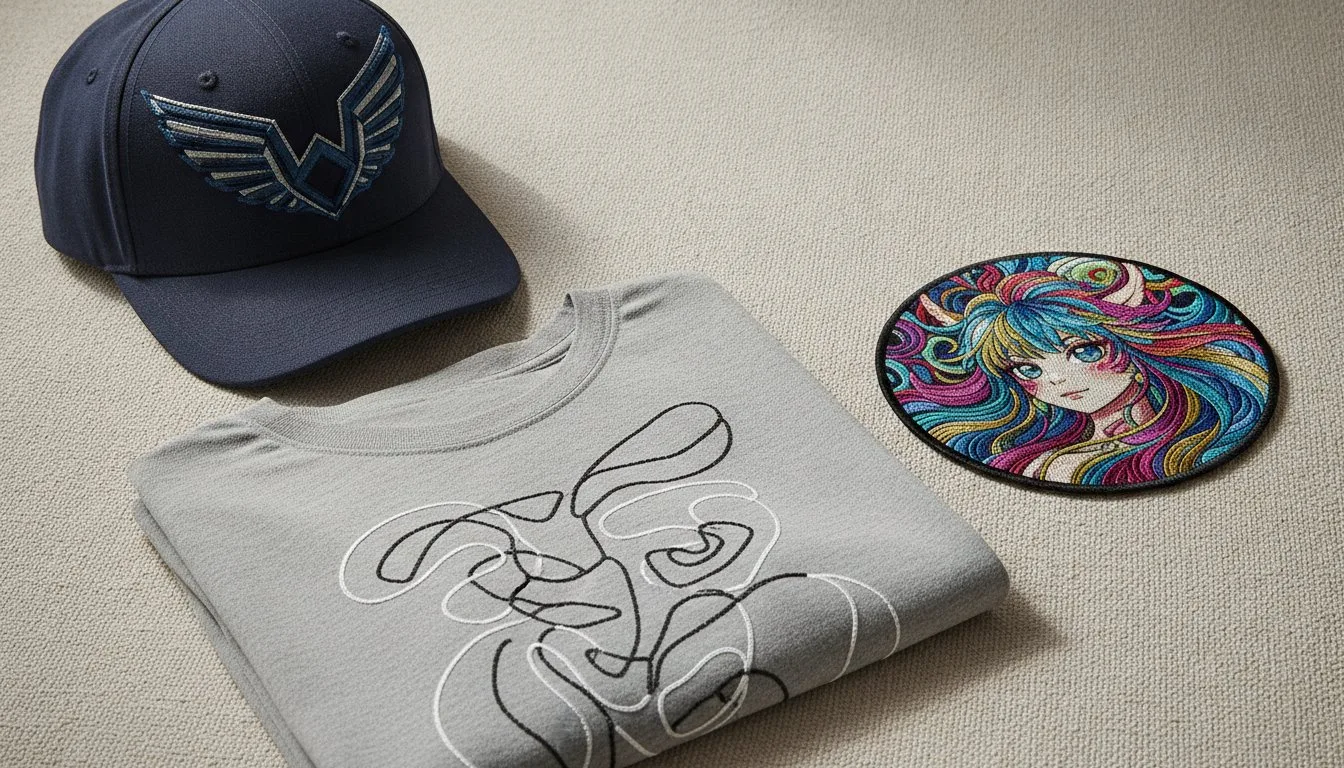
Growth is also spreading across multiple product categories at once. Fashion, home décor, and personalized gifts are all expanding simultaneously, giving hobbyists and small sellers more end markets than ever before. Trending styles for 2026 include oversized florals, 3D puff embroidery on structured hats, retro Y2K typography, and metallic thread designs, so the creative direction is clear and the demand is already there waiting for you.
## What Is Machine Embroidery and How Does It Work
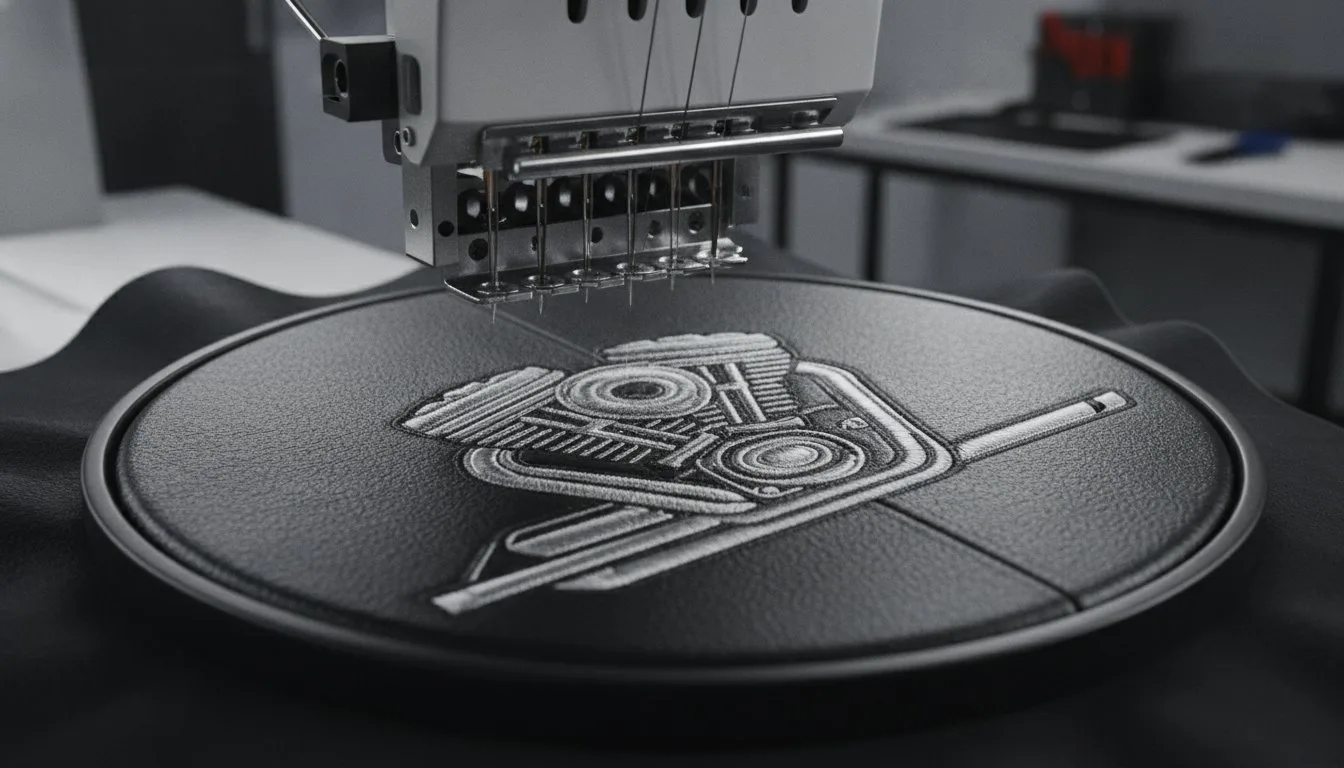
Machine embroidery takes the painstaking, stitch-by-stitch process of hand embroidery and hands it off to a computerized machine that does the work automatically. Instead of manually guiding a needle through fabric thousands of times, you load a design file, hoop your fabric, and let the machine handle the rest. The result is precise, consistent embroidery that looks professional every single time, making it genuinely accessible for complete beginners from day one.
The whole process starts with a digitized design file. Think of it as a recipe the machine follows exactly, containing instructions for where every single stitch goes, what colors to use, and in what order. Common file formats include DST, PES, JEF, and EXP, with each format typically corresponding to specific machine brands. PES files, for example, are associated with Brother machines, while DST is one of the most universally compatible formats available. If you want a deeper look at how these formats work, this beginner-friendly machine embroidery tutorial is a great starting point.
For most hobbyists and small business owners, a single-head home machine from brands like Brother or Bernina is the natural entry point. These machines handle garments, hats, tote bags, and home décor items comfortably, with hoop sizes typically ranging from 4x4 inches up to 8x12 inches or larger depending on the model.
Once your design file is transferred via USB or direct connection, your main responsibilities are hooping the fabric correctly, threading the machine, and swapping thread colors when the machine pauses and prompts you.
Here is the best part for beginners: downloadable design files completely remove the biggest technical obstacle in this craft. Learning to digitize artwork yourself requires specialized software and years of practice. Pre-made files handle all of that complexity for you, so you can start stitching real projects immediately.
## Trend 1: 3D Puff Embroidery on Caps and Structured Hats
If you've seen a cap lately with a logo that looks almost sculptural, like it's jumping off the fabric, that's 3D puff embroidery at work. The technique uses a small piece of foam placed directly on the cap surface before the machine stitches over it. The stitches wrap tightly around and over the foam, and once the excess foam is trimmed away from the edges, you're left with a raised, dimensional design that sits anywhere from 3 to 6mm above the fabric. The result has a premium, tactile quality that flat embroidery simply can't match.
This style is absolutely having a moment in 2026. It fits perfectly into what Etsy's trend reporting has been calling the Soft Stitch Era, which is a broader shift toward handcrafted texture and intentional design. But 3D puff also brings something the softer, more delicate trends don't: bold, high-visibility impact. That combination is exactly what sports teams, fandom apparel, and branded headwear demand, which is why structured baseball caps and snapbacks have become the signature canvas for this technique.
The designs that work best for 3D puff are bold block letters, chunky wordmarks, and clean graphic shapes. Fine detail and thin lines don't translate well because the foam needs enough stitch coverage to stay secure. That's actually great news if you're into 3D puff embroidered hats featuring sports logos and university marks, since those designs are already built around exactly the kind of thick, graphic letterforms the technique loves.
For beginners, the main things to know are straightforward. Slow your machine speed down slightly to keep the foam from shifting during stitching, and start with a foam thickness around 3mm while you're getting comfortable with the process. A structured cap is your best friend here because the stiff front panel holds everything firmly in place. If you want a solid introduction to the full workflow, resources like EmbroideryLI's 3D puff guide walk you through the technique step by step.
Browsing the sports team and college categories at Embroidery n Sewing is a great place to start building your 3D puff project list. The catalog's deep selection of team-inspired and university-style designs maps directly onto the bold, graphic shapes this technique rewards most. [
Trend 2: Retro Y2K Typography and Embroidery Fonts](/categories/fonts-moveric-tatadone)
If you were anywhere near the internet in the early 2000s, you already know the vibe: bubbly balloon letters, chunky block fonts, chrome-inspired lettering, and those playful italicized styles that felt bold and a little chaotic in the best possible way. That Y2K aesthetic is back in a major way, and it is landing all over custom embroidery right now. It feels nostalgic to anyone who lived through it, but it reads as completely fresh and current to a whole new generation of creators and buyers discovering it for the first time.
On the apparel side, this trend is everywhere. Hoodies, crewnecks, tote bags, and team jackets are all getting lettered in retro-styled fonts that nod to the early internet era while fitting perfectly into 2026 streetwear and craft culture. Trending fonts and graphics research for custom merchandise published in early 2025 calls out oversized chunky sans-serifs, outline typography, and nostalgia-driven graphics as defining the look of merchandise heading into 2026, and embroidery is one of the most tactile, satisfying ways to bring that lettering to life on a garment.
Here is the part that makes embroidery font files especially smart to invest in. A single font purchase does not just get you one word or one name; it unlocks every letter, number, and combination you can type. That means one file can produce hundreds of personalized products, making fonts one of the highest-value downloads available to boutique sellers and Etsy makers working to stretch their digital asset budget as far as possible.
The beginner-friendly aspect of machine embroidery font files also cannot be overstated. The digitizing work is already done for you inside the file. You type in a name, choose your size, and your machine takes it from there. No design software, no technical conversion steps, just straightforward stitching from the very first project. There is beginner-focused content specifically covering embroidery fonts that confirms how accessible this category has become for new machine owners.
The fastest way to catch this trend is to browse a broad embroidery font library and look specifically for bold, decorative, and vintage-inspired display options. Retro, bubble, collegiate, and chunky block styles are the ones generating the most excitement right now, and having a few of them ready to stitch puts you in a strong position for personalized orders, seasonal gifts, and standout apparel projects throughout the year.
## Trend 3: Oversized Florals and Large-Format Nature Designs
Think about the last time a piece of clothing stopped you in your tracks. Chances are, something big and bold was on it. That's exactly the energy behind oversized floral embroidery, and it's the trend making the biggest visual splash in 2026.
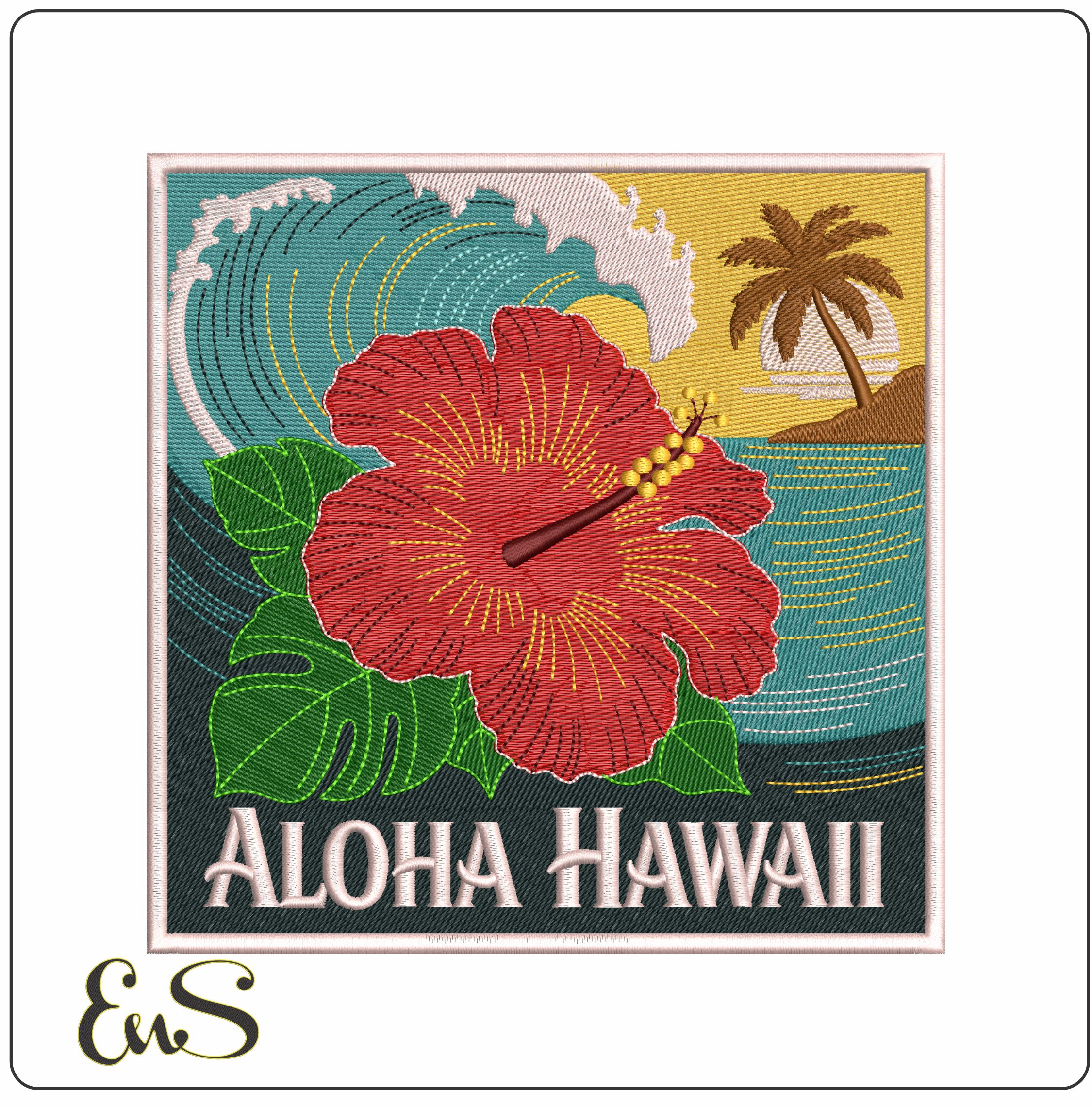
This style moves completely away from those tiny, delicate accent flowers stitched near a collar or cuff. Instead, it goes full garden-scale, filling an entire jacket back with a dramatic peony bloom, wrapping tropical botanicals across the front of a tote bag, or turning a large pillow cover into a centerpiece-worthy statement piece. The scale is the whole point.
This shift connects directly to the Soft Stitch Era, which Etsy's 2026 trend report identified as the defining aesthetic movement in embroidery right now. The idea is that texture, placement, and intention all work together. A large floral design isn't just decoration; it anchors the entire piece and communicates that something was made with care and purpose. It still reads as artisan and handcrafted, even when a machine did the work, because the raised, dimensional stitch texture gives it a quality that flat printed designs simply cannot replicate.
The most popular subjects right now include peonies, sunflowers, wildflower clusters, and tropical botanicals. These motifs work beautifully at large scale because they have natural complexity, layered petals, varying fills, and rich color gradients that give the embroidery thread real room to shine.
Before you shop for a design, check your hoop size. Oversized florals typically need a minimum 5x7-inch hoop, and for truly dramatic results, an 8x8-inch hoop or larger is ideal. These files also carry higher stitch counts, often 20,000 stitches or more, so the project will take longer to complete. That's not a drawback; it's just something to plan for.
When browsing, head straight to nature motifs and floral categories and look for designs featuring multi-color thread palettes and detailed stitch fills. You can also explore trending machine embroidery design guides for 2026 to see exactly how these large-format florals are being used across garments and décor projects right now.
Trend 4: Minimalist Line Art and Tone-on-Tone Micro Embroidery
Not every embroidery trend is about going big and bold. Sometimes the most sophisticated move is knowing exactly when to pull back. Minimalist line art embroidery is having a serious moment in 2026, and it represents a completely different visual language than the oversized florals and 3D puff designs we just covered. Instead of dense fill stitches and heavy coverage, this style leans into open negative space, simple illustrated outlines, and fine running stitches that feel more like a hand-drawn sketch than traditional needlework. The result is clean, editorial, and genuinely modern, the kind of look you'd expect to see on a high-end linen shirt or a boutique tote bag rather than a county fair quilt.
Tone-on-tone micro embroidery takes the minimalist idea even further. The technique involves stitching small designs in a thread color that closely matches the fabric underneath, so the design reads as texture rather than color contrast. You almost have to lean in to see it. That subtle, elevated quality is exactly what makes it so appealing for fashion-forward apparel and refined home goods. According to Mr X Stitch's guide to single-color machine embroidery, thread sheen and stitch direction do the heavy lifting here; long stitches reflect light differently than short ones, creating visual depth without a single thread change.
Here's the good news for beginners: these styles are genuinely approachable. Minimalist line art designs consistently sell well partly because they feature lower stitch counts, typically under 5,000 stitches, which means faster run times and far less frustration for newer machine owners. Fewer thread changes, fewer registration headaches, and quicker finishes make these files ideal first projects.
Both styles work beautifully on athleisure, linen apparel, napkins, pillow covers, and tote bags. When you're browsing for this look, search for outline-style files, sketch-look designs, or botanical and nature motifs rendered in a single color or limited palette. Simple dragonfly patterns, floral line art, and single-subject illustrated shapes are all strong starting points that fit perfectly within this trend.
## Trend 5: Metallic and Iridescent Thread Designs
If the previous trend was all about restraint and subtlety, this one goes in the opposite direction entirely. Metallic and iridescent threads are specialty materials that catch and reflect light in ways that standard rayon or polyester threads simply cannot replicate. The result is a shimmery, luminous finish that turns an everyday tote bag or holiday ornament into something that looks genuinely gift-worthy. One embroiderer in an online community summed it up perfectly after finishing a metallic project: "I wish the pictures showed how they sparkle in person." That gap between photo and reality is actually part of what makes metallic embroidery so compelling for wearable and giftable pieces.
Right now, these threads are showing up across holiday and seasonal projects, custom wedding and occasion apparel, and fashion-forward garment decoration. They work especially well on darker fabric grounds, where the contrast between the deep background and the shimmering thread maximizes the shine effect and makes every stitch pop visually.
A Few Things Beginners Should Know First
Metallic thread has a reputation for being finicky, but the frustrations are easy to avoid once you know what to adjust. Slower machine speeds reduce the friction that causes breakage. Using a larger needle, typically a 90/14 size, gives the thread more room to pass through without stress. Loosening your thread tension slightly also helps prevent skipped stitches, which are the most common complaint with this material. As one crafter confirmed after a successful metallic project: "I went slow and love how they turned out." Small adjustments make a big difference.
Design Files That Shine With Metallic Thread
Not every design file translates equally well to metallic thread. Files with open satin sections, star and geometric patterns, and text-based lettering tend to work beautifully because the shimmer has space to register clearly across each stitch. Holiday motifs, celestial themes, and special occasion designs are natural fits too. Categories like winter holiday, ornaments, and occasion wear are ideal starting points, and with a broad seasonal design library always stocked with timely files, there is genuinely always a project ready to go whenever the inspiration hits.
Trend 6: Applique and Mixed-Media Embroidery Designs
Applique embroidery is one of those techniques that looks seriously impressive but is actually pretty straightforward once you understand how it works. The process follows a clear machine-guided sequence: your embroidery machine first stitches a placement outline directly onto your base fabric, you lay a cut piece of fabric over that outline, and then the machine stitches around the edges to lock the fabric piece in place and give it a clean, finished border. The result blends two completely different textures in a single design, which is exactly what makes applique pieces look so rich and dimensional compared to standard thread-only embroidery.
Mixed-media approaches take that concept even further. Instead of stopping at a simple fabric inlay with a border stitch, mixed-media designs layer applique panels with standard fill stitching, 3D puff foam elements, or decorative trim to build up finished pieces that look genuinely complex. The exciting part is that the process itself is not nearly as complicated as the output suggests. Your machine handles the sequencing, and you follow along step by step. That contrast between effort and result is a big reason why mixed-media embroidery has landed firmly on the 2026 trend list.
Applique is especially well-suited to bold, graphic subjects, and that is why you see it dominate in children's apparel, sports team merchandise, school spirit projects, and holiday decor. The technique favors clean shapes over fine detail, so large mascots, cartoon characters, and chunky seasonal motifs all translate beautifully. You are also not locked into a specific color palette because the inlay fabric can be literally anything: felt, cotton, denim, or even printed fabric with its own pattern layered right into the design.
For beginners, applique files are genuinely one of the most approachable formats to start with. The machine pauses automatically after the placement stitch so you can position your fabric, and again after the tack-down so you can trim any excess before the finishing border stitches. There is no advanced software knowledge involved; you just follow the stitch sequence and let the file guide you through each step.
When you are browsing for applique-ready designs to try, children's character themes, cartoon motifs, and school-spirit files are the strongest starting categories. At Embroidery n Sewing, those categories are well-stocked and built for exactly this format. These designs translate naturally to mixed-media construction and stay in steady demand for custom kids' clothing, team gear, and personalized gifts year-round.
Sports, Teams, and Fandom: The Embroidery Categories Nobody Else Covers Like This
Here's something that most embroidery trend guides completely miss: sports and fandom designs are among the most searched and purchased categories in the entire downloadable embroidery file space, and almost nobody in the content world is talking about it. NFL franchises, college athletics, university mascots, and entertainment properties drive year-round search demand from a massive portion of the embroidery buyer market. Game days come and go, but the urge to stitch a team logo onto a cap, hoodie, or tote bag never really stops.
What makes this even more interesting is that every major 2026 trend report focuses on florals, metallics, and minimalist line art without dedicating a single section to sports embroidery. That gap is significant, because the buyers searching for an LSU hoodie design or an NFL team cap file are not looking for aesthetic inspiration. They know exactly what they want. They just need a reliable place to find it.
The good news is that sports designs connect naturally to the biggest technique trends already covered in this post. A structured snapback cap is the perfect canvas for 3D puff embroidery with a bold team logo. A college hoodie back is built for oversized large-format placement. Retro Y2K typography lines up perfectly with throwback team lettering and varsity-style fonts on jerseys and sweatshirts. Sports embroidery is not a separate category sitting outside the trends. It is the subject matter that makes those trends come alive on real projects.
College and university files in particular serve a surprisingly wide range of end uses. Yes, fan apparel is the obvious application. But these same design files work beautifully for alumni gifts, graduation keepsakes personalized with a year or name, dorm room décor, custom spirit wear for student organizations, and team gear for youth sports programs.
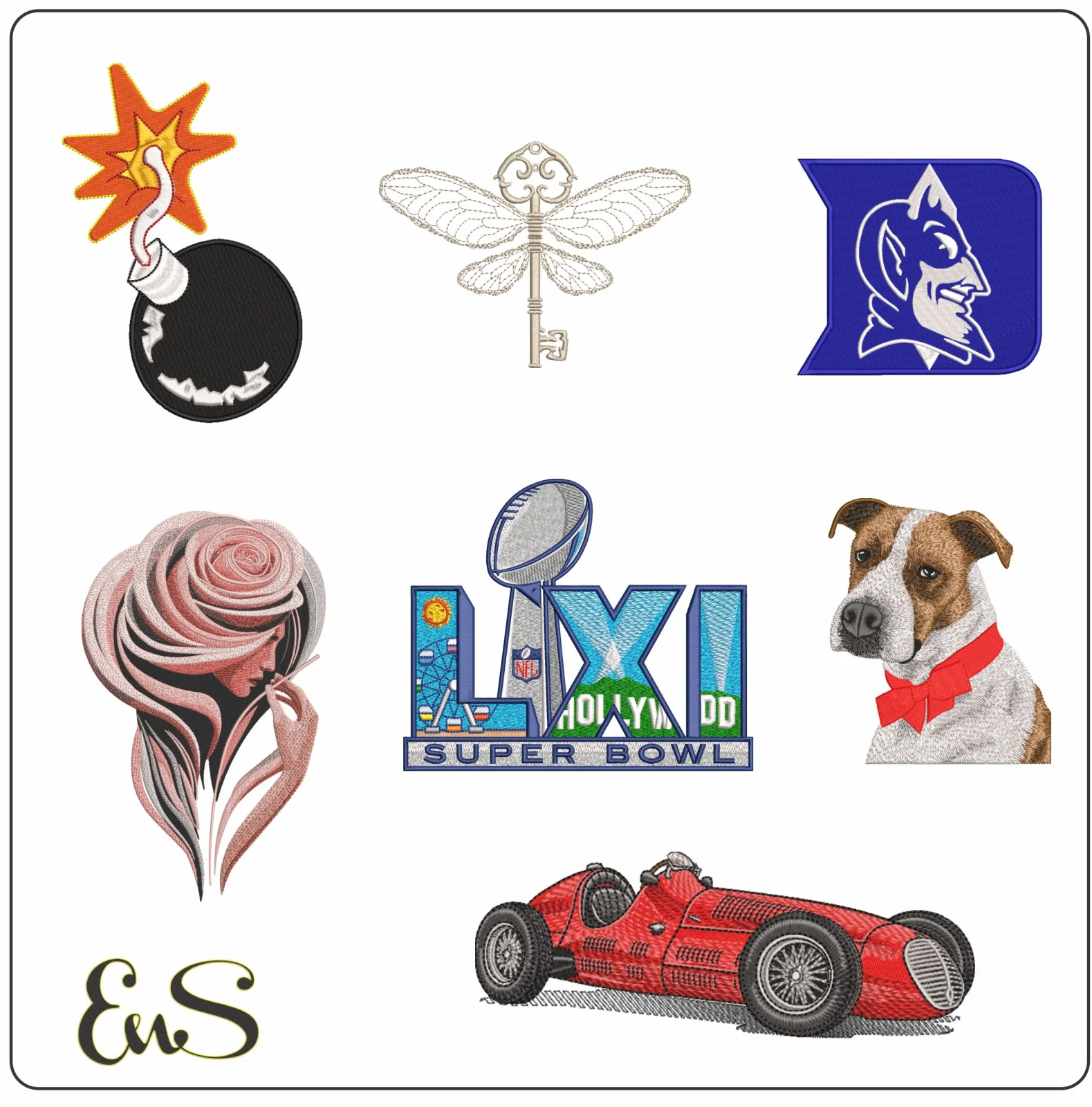
Embroidery n Sewing carries a deep, organized selection of sports team files, college and university designs, and entertainment properties, with dedicated navigation categories that make it easy to browse by team, sport, or school. If you are building any kind of sports or fandom project, this is a focused destination worth bookmarking.
How to Choose the Right Embroidery Design File for Your Machine
Before you download a single file, there are five practical checkboxes worth running through. Getting these right upfront saves you from the frustration of a file that simply won't load or a design that won't fit your hoop.
1. Match the file format to your specific machine brand. This is the non-negotiable starting point. Brother and BabyLock machines typically use .PES files, Janome runs on .JEF, and Husqvarna Viking machines use .HUS or .VIP depending on the model generation. The universal workhorse format, .DST, is widely accepted across industrial and multi-brand setups. Even within the same brand, older models sometimes support different format versions than newer ones, so the safest move is always to check your machine's manual or the brand's official support page before purchasing any design.
2. Check the hoop size listed in the product details. Hoop size is a physical constraint, not a setting you can toggle. If a design is digitized for an 8x8 inch hoop and your machine maxes out at 5x7, the file will not stitch correctly without resizing, and resizing changes the stitch density in ways that cause puckering, gaps, or thread breaks. Always read the dimensions listed in the product description before you buy.
3. Use stitch count as your complexity guide. Most beginner-friendly designs land between 3,000 and 12,000 stitches, which means faster run times, lighter stabilizer requirements, and fewer thread changes. Detailed or large-format designs can push well past 30,000 stitches and ask a lot more of your materials and your patience.
4. Invest in font files for maximum versatility. If you personalize items or sell finished goods, a single embroidery font file lets you stitch any name or word combination you need. That is a far more efficient purchase than buying individual word or phrase files one at a time.
5. Look for multi-format bundle downloads when compatibility is uncertain. A bundle that includes PES, DST, JEF, EXP, and HUS in one download covers virtually every modern home embroidery machine on the market. At Embroidery n Sewing, many designs are available in multiple formats so you can grab the right one for your machine and get stitching right away.
The Best First Projects for New Embroidery Machine Owners
Getting your first few projects right makes all the difference between falling in love with machine embroidery and getting frustrated enough to leave your machine collecting dust. Here are the five best starting points for new embroidery machine owners.
1. Tote Bags and Canvas Pouches
Tote bags are the single most recommended beginner project for good reason. The fabric is flat, it hoops cleanly, it can handle minor tension inconsistencies without showing them dramatically, and when you finish, you have something genuinely useful in your hands. Canvas and cotton duck are stable enough that your design registers accurately from start to finish. Beginner tip: embroider on a flat, uncut piece of fabric before assembling the bag, and you will get cleaner registration and far fewer headaches. Use a tear-away stabilizer underneath, and you are set up for success from stitch one.
2. Blank Structured Hats
Blank hats with a firm, structured front panel are the natural next step once you want to try cap embroidery. A cap hoop attachment keeps the curved surface tight and consistent, which is exactly what you need when running a sports logo or a 3D puff design for the first time. Start with a simple flat design before attempting puff embroidery, and you will build the technique confidence to tackle more complex projects later.
3. Children's Clothing and Personalization
Putting a name on a backpack or a character design on a onesie is one of the most emotionally satisfying beginner projects you can run. The designs are typically compact, the results are immediately meaningful, and the demand from family and friends never stops. Simple monograms and name fonts are excellent starting files because they are clean, predictable, and forgiving on medium-weight cotton.
4. Seasonal Décor and Kitchen Towels
Kitchen towels, holiday ornament blanks, and throw pillow covers are low-stakes practice surfaces that also double as thoughtful gifts. The beauty of seasonal projects is that the project calendar never empties. There is always a holiday, a school event, or a seasonal theme coming up that gives you a fresh reason to stitch.
5. Small 4x4 Designs on Stable Fabrics First
Before you move on to stretchy knits, velvet, or performance fabrics, spend time running small 4x4 designs on cotton or denim. These fabrics hold their shape in the hoop, do not require complex stabilizer setups, and give your machine room to perform cleanly. The confidence you build here is what carries you into more challenging materials without the guesswork.
Why Instant-Download Design Files Beat Custom Digitizing for Most Makers
Custom digitizing sounds appealing in theory. You have a specific logo, a piece of artwork, or a personal design, and you want it stitched exactly as you imagined. But when you look at the actual math, the custom route creates two problems that most makers simply cannot work around: cost and time.
Getting a professional to convert artwork into a machine-ready stitch file typically runs anywhere from $15 to $75 per design, and turnaround times of 24 to 72 hours are common. If you are trying to fill an Etsy order by Friday or you just got inspired at 10pm on a Tuesday, that timeline does not work. Digitizing software you could learn yourself costs upward of $1,000, and the learning curve is steep enough that even experienced makers find it frustrating.
Ready-to-download design files solve both problems at once. A well-stocked digital marketplace gives you instant access to thousands of professionally prepared designs at impulse-purchase prices. You pick the file, you pay, you download, and you are stitching within minutes. No waiting. No back-and-forth with a digitizer. No minimum order.
There is also a quality argument worth making here. Good downloadable files are built by experienced digitizers who have already worked out stitch efficiency, proper underlay sequencing, and thread path optimization. That behind-the-scenes technical work is what makes a design stitch cleanly on a home machine without puckering, thread breaks, or registration issues.
The smartest long-term move is building a personal library of files across the categories you use most. Fonts, florals, seasonal designs, and sports themes are categories you will reach for again and again. Paying custom rates every single time a new project comes up adds up fast. Owning a deep library of downloadable files means your next project is always one search away.
Start Stitching: Your 2026 Embroidery Takeaways
Six trends, one clear direction: 2026 is a genuinely exciting year to be stitching. Whether you are drawn to the sculptural pop of 3D puff on structured caps, the nostalgic charm of Y2K typography, the statement energy of oversized florals, the quiet elegance of minimalist line art, the eye-catching shimmer of metallic thread designs, or the creative layering of applique mixed-media, each trend opens up a completely different project path worth exploring.
Etsy's official "Soft Stitch Era" signal is worth taking seriously. Handcrafted texture and intentional embroidery placement are commercially valued right now, which means listing embroidered goods or giving personalized embroidered gifts hits differently in 2026 than it did even two years ago.
The best next move is simple: pick the trend that matches your hoop size, your favorite fabric, and a theme you are genuinely excited about. Motivation finishes more projects than technique ever will.
Embroidery n Sewing's catalog covers sports, fonts, florals, seasonal motifs, children's designs, and fandom themes, so there is a ready-to-stitch file waiting for whatever direction you choose.
Download a design, hoop your fabric, and stitch something this week. More stitches equal more skill, every single time.
Conclusion
Embroidery in 2026 is proof that this beloved craft never goes out of style; it simply evolves. Whether you are drawn to bold maximalist statements, delicate botanicals, or something in between, this year's trends offer endless inspiration for stitchers at every level. The most important takeaway? There is no wrong place to start. Pick a style that excites you, gather your supplies, and let the creative process guide you.
The beauty of embroidery lies in its simplicity and accessibility. All you need is a needle, some thread, and a little curiosity to bring something truly beautiful to life.
So go ahead, choose a trend from this list, thread your hoop, and make your first stitch today. Your next favorite project is waiting, and 2026 is the perfect year to create it.