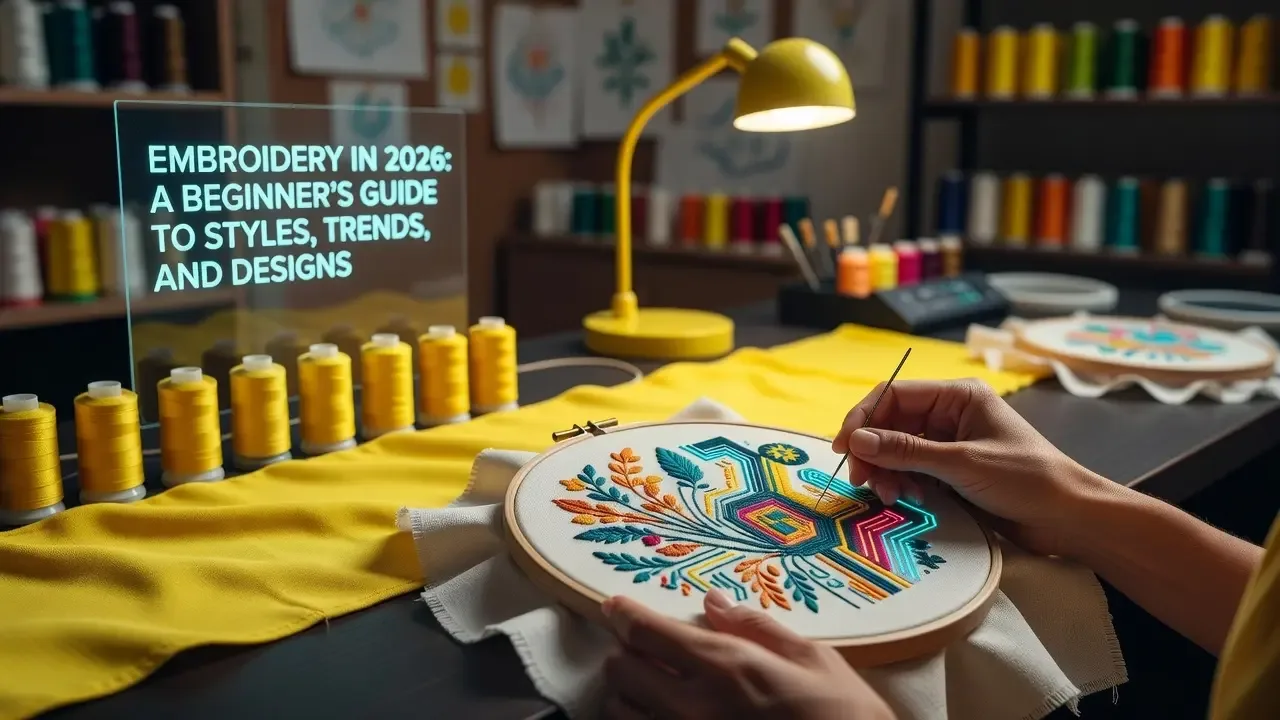
Picture this: you've just spotted the most gorgeous jacket covered in delicate floral stitching, or maybe you stumbled across a beautifully embroidered hoop on social media and thought, "I want to learn how to do that." Well, you're in exactly the right place.
Embroidery is having a serious moment right now, and 2026 is honestly the best time to be a beginner. Whether you're drawn to bold, modern designs or classic traditional patterns, there's a style out there that feels made just for you. The best part? You don't need a ton of experience or fancy supplies to get started.
In this guide, we're breaking down everything a first-timer needs to know. You'll discover the most popular embroidery styles, the trends that are taking over this year, and the beginner-friendly designs that are perfect for building your skills. We've kept things simple, fun, and totally approachable because learning a new craft should feel exciting, not overwhelming. Grab your needle and thread, and let's dive in!
Embroidery is one of those crafts that looks completely different depending on how you approach it. At its most traditional, it means picking up a needle and thread and hand-stitching decorative patterns onto fabric. That form of the craft is beautiful, meditative, and still wildly popular. But if you're here because you just bought an embroidery machine, or you're thinking about diving into personalized apparel, gifts, or craft selling, you're working in a different world entirely: machine embroidery.
The distinction matters more than it might seem at first. Machine embroidery runs on digital design files, which are essentially pre-programmed stitch instructions your machine reads and executes automatically. When you purchase a downloadable embroidery file, you're getting a format like .[PES, .DST, or .JEF](/articles/pes-format-embroidery-designs-the-ultimate-guide-for-2025) that tells your machine exactly where to stitch, in what color, and in what sequence. Hand embroidery uses printed patterns and your own artistic judgment. The two crafts don't overlap when it comes to sourcing artwork, which is why understanding the difference saves beginners a lot of frustration early on.
What makes this such an exciting time to get into machine embroidery is the sheer scale of the community you're joining. The global embroidery machine market is valued at $4.79 billion in 2026 and projected to reach $6.74 billion by 2034 at a CAGR of 6.8%. That kind of growth reflects millions of active home crafters, boutique apparel makers, and Etsy sellers who are stitching every single day. The broader embroidery market outlook through 2035 points to continued expansion driven by demand for personalized apparel, custom home décor, and e-commerce gifting.
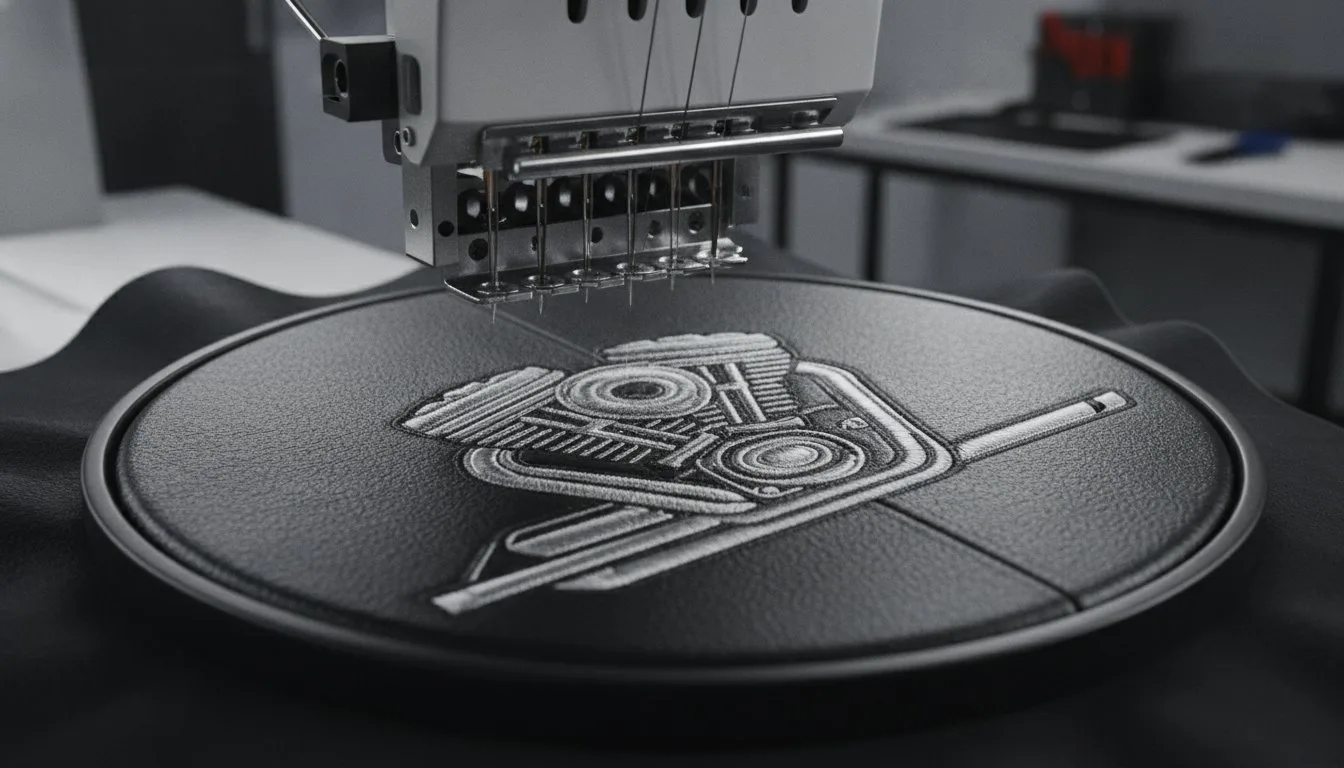
Computerized machines are the reason all of this is accessible to everyday hobbyists. You no longer need to hire a professional digitizer or invest in commercial-grade equipment to produce crisp, polished embroidery. Modern home machines handle stitch sequencing, color changes, and tension automatically. You load your design file, hoop your fabric, and hit start. The result looks professional because the digitizing work is already done for you inside that downloaded file.
That's exactly where downloadable design files come in as the go-to sourcing method for most hobbyists in 2026. Instead of commissioning custom artwork for every project, makers browse digital libraries and instantly download ready-to-stitch files organized by theme, style, or category. Sports logos, florals, anime characters, holiday motifs, fonts, and children's designs are all just a few clicks away.
This guide covers everything you need to hit the ground stitching: the hottest embroidery styles trending right now, the most popular project types, how file formats work, and how to find the exact designs you want quickly and without guesswork.
7 Major Machine Embroidery Design Styles Every Beginner Should Know
Once you know how embroidery works, the next big question is: what kind of designs should you actually stitch? The style you choose affects everything, from how long a project takes to finish, to which fabrics it works best on, to whether it's the right fit for a beginner. Here are seven major embroidery design styles worth knowing about as you get started.
1. Oversized Florals
Oversized florals are the dominant embroidery style category right now, and it's easy to see why. Big, bold blooms translate beautifully onto tote bags, denim jackets, sweatshirts, and home décor items like pillows and table runners. The scale works in your favor as a beginner because the stitch areas are generous and forgiving, and the color variety built into most floral files means your finished piece looks rich and layered without much extra effort on your part. If you want a design that photographs well and gets noticed, oversized florals are an excellent starting point.
2. Minimalist Line Art
On the opposite end of the spectrum, minimalist line art uses clean outlines and a single color or very limited palette to create a simple, modern look. These designs typically have low stitch counts, which means they stitch out faster and put less stress on your stabilizer and fabric. They work especially well on light-colored shirts, canvas hats, and linen. For beginners still getting comfortable with hooping and tension settings, a simpler design with fewer thread changes is a genuinely smart place to start.
3. 3D Puff Embroidery
3D puff embroidery creates a raised, dimensional effect by stitching over a layer of foam placed on top of the fabric before the design runs. The result looks almost sculptural, which is why this technique is so popular on structured snapback hats and caps. It is one of the hottest embroidery trends of 2026. The key thing to know as a beginner is that puff embroidery requires files that are specifically digitized for foam, not just any standard design file. When you are shopping for designs, look specifically for files labeled as puff-ready.
4. Retro Y2K Typography
Font and lettering designs are among the most searched embroidery file categories, and the retro Y2K aesthetic is leading that wave right now. Think bold block letters, chunky serif fonts, and throwback graphics with a nostalgic early-2000s energy. These designs are a natural match for sports apparel, team gear, personalized gifts, and anything you want to feel expressive and current. Typography files are also incredibly practical because a good font pack gives you the flexibility to stitch out custom words and names on demand, which opens up a lot of options for personalized projects.
5. Appliqué and Mixed-Media Designs
Appliqué combines fabric cutouts with embroidery stitching to produce a layered, textured result that looks more complex than it is to execute. The machine first stitches a placement outline, you lay your fabric piece down, and then the machine finishes the edges with a satin or blanket stitch. This style is hugely popular for children's clothing, team patches, and school spirit items because the bold shapes read clearly even at a distance. It is also a great way to use up fabric scraps.
6. Metallic and Iridescent Thread Designs
Designs digitized specifically for metallic or iridescent thread deliver a premium, eye-catching finish that is hard to replicate any other way. Jackets, evening bags, and formalwear items take on a completely different character when a design catches the light. These files require slower machine speeds and a bit more patience, but the results are genuinely impressive.
7. Tone-on-Tone and Micro Embroidery
Tone-on-tone embroidery uses thread that closely matches the base fabric, creating a subtle, texture-forward look rather than a high-contrast graphic. Micro embroidery takes that idea further with small, precise placement designs. Both styles are central to the broader Soft Stitch Era movement, which reflects a wider consumer shift toward intentional, handcrafted aesthetics in 2026. These designs look sophisticated on polos, structured bags, and minimalist apparel, making them a go-to for anyone who wants their embroidery to feel elevated rather than loud.
The Soft Stitch Era: What 2026 Embroidery Trends Mean for Your Projects
If you've been paying attention to what's trending in embroidery lately, you may have noticed a shift happening across craft communities, Etsy shops, and boutique apparel brands. Etsy's 2026 trend report gave this moment a name: the Soft Stitch Era. It's not a single design style you either love or skip. It's a broader aesthetic shift across all embroidery categories, moving toward handcrafted texture, artisanal feel, and intentional placement rather than bold, all-over coverage. Think of it as embroidery growing up and slowing down in the best possible way.
What the Soft Stitch Era Actually Looks Like in Practice
The design choices that define this trend are pretty specific, and once you know them, you'll start spotting them everywhere. Instead of large back prints or full-coverage designs, the focus has shifted to smaller placements: a clean chest logo, a subtle sleeve detail, or a back neck accent. These placements feel more refined and photograph beautifully for Etsy listings and social media posts. Color palettes have pulled back too. Muted neutrals, soft pastels, and earthy tones are leading the way, often paired with just one restrained accent color rather than a full rainbow of thread shades. Nature-inspired motifs are absolutely central to this look. Florals are widely cited as the dominant embroidery style of 2026, with organic shapes, botanical details, and soft floral clusters showing up on everything from tote bags to denim jackets.
Where Personalization and Custom Apparel Fit In
This trend is landing at exactly the right time commercially. Personalized gifts and custom apparel are two of the biggest demand drivers in the 2026 embroidery market, and the Soft Stitch Era aesthetic aligns perfectly with both. A monogrammed linen pouch in soft sage, a custom name design on a neutral sweatshirt, a delicate floral on a baby gift set — these are the kinds of projects buyers are actively searching for and willing to pay premium prices to receive. The artisanal, handcrafted quality that embroidery naturally delivers is now a genuine selling advantage over digital printing, especially for gift-focused products.
The Bold Counterpoint Worth Knowing About
Here's where the trend picture gets interesting. Running parallel to all that soft minimalism is a maximalist streak that's equally strong right now. 3D puff embroidery on structured hats has become one of the most visible techniques of 2026, creating raised, textured designs with serious visual impact. Metallic and iridescent thread finishes are also trending hard, offering a high-shine alternative for customers who want something eye-catching. These bold techniques aren't fighting against the Soft Stitch Era; they're simply thriving in different product categories, especially headwear and streetwear.
Why This Matters for Your Next Project
Recognizing these trends is genuinely useful whether you're stitching for fun or selling finished pieces. When you choose designs that reflect what buyers are already gravitating toward, your finished products feel current rather than dated. Browsing embroidery trend guides for 2026 before starting a new project takes only a few minutes and can completely change which designs you reach for. If you're selling on Etsy or at craft markets, trend-aligned pieces simply convert better. The good news is that a well-stocked design library makes it easy to find exactly the floral, nature-inspired, or placement-ready design you need to match the moment without any custom digitizing required.
Popular Embroidery Project Categories to Inspire Your Next Make
Knowing which project categories are most popular right now can help you choose your first (or next) make with confidence. Whether you're stitching for yourself, making gifts, or building a small shop, these six categories are where the action is in 2026.
Sports and Team Apparel
Sports and team apparel is one of the hottest embroidery categories you can work in right now. NFL-themed gear, college athletics designs, and university spirit items are in constant demand, and blank hats and jerseys are practically made for embroidery. Fans want personalized merchandise that feels premium rather than mass-produced, and a well-stitched logo on a structured cap delivers exactly that. This category works especially well if you want to sell, because the audience is already motivated and searching with specific team names and school colors in mind. If you're just getting started, look for ready-to-stitch digital design files that are sized and formatted for common blank apparel items, so you can skip the digitizing step entirely.
Hats are consistently among the most searched embroidery project types, and in 2026 that demand is being driven by 3D puff embroidery on structured caps. That raised, textured look adds visual depth and a premium feel that flat embroidery simply cannot replicate on a cap brim. Flat-brim hats with bold logo-style designs are equally popular, especially among boutique sellers and custom gift makers who want a clean, retail-ready finish. Hats are a beginner-friendly starting point because the embroidery area is defined and relatively small, which keeps stitch counts manageable. They also make excellent gifts and are one of the fastest product types to turn around if you are building a made-to-order business. [
Children's Clothing and Gifts](/categories/children)
Children's apparel and gift items are a perennial favorite in the embroidery world, and for good reason. Cartoon characters, playful animals, alphabet letters, and bright motifs translate beautifully onto baby onesies, school bags, personalized backpack tags, and toddler tees. Surface embroidery, which covers most of these character and illustrative styles, held the largest type segment share in the global embroidery market at 31.4% in 2025, which tells you just how broadly this style resonates. These projects are also beginner-friendly because the designs tend to use simple shapes and limited stitch types. Personalized children's items make some of the most giftable products you can stitch, especially when you add a name or initial alongside a fun motif.
### Seasonal and Holiday Décor
Seasonal embroidery projects punch well above their weight as gift items. Embroidered stockings, holiday ornaments, table runners, kitchen towels, and decorative linens become keepsakes when they carry a personalized design, and personalized home furnishings are an explicitly cited growth driver in current embroidery market research. The timing works in your favor too; stitching a small batch of holiday items ahead of the season gives you something both meaningful and marketable. These projects are also forgiving for beginners because home textile fabrics tend to be stable and easy to hoop. [
Fandom and Entertainment Designs](/categories/anime)
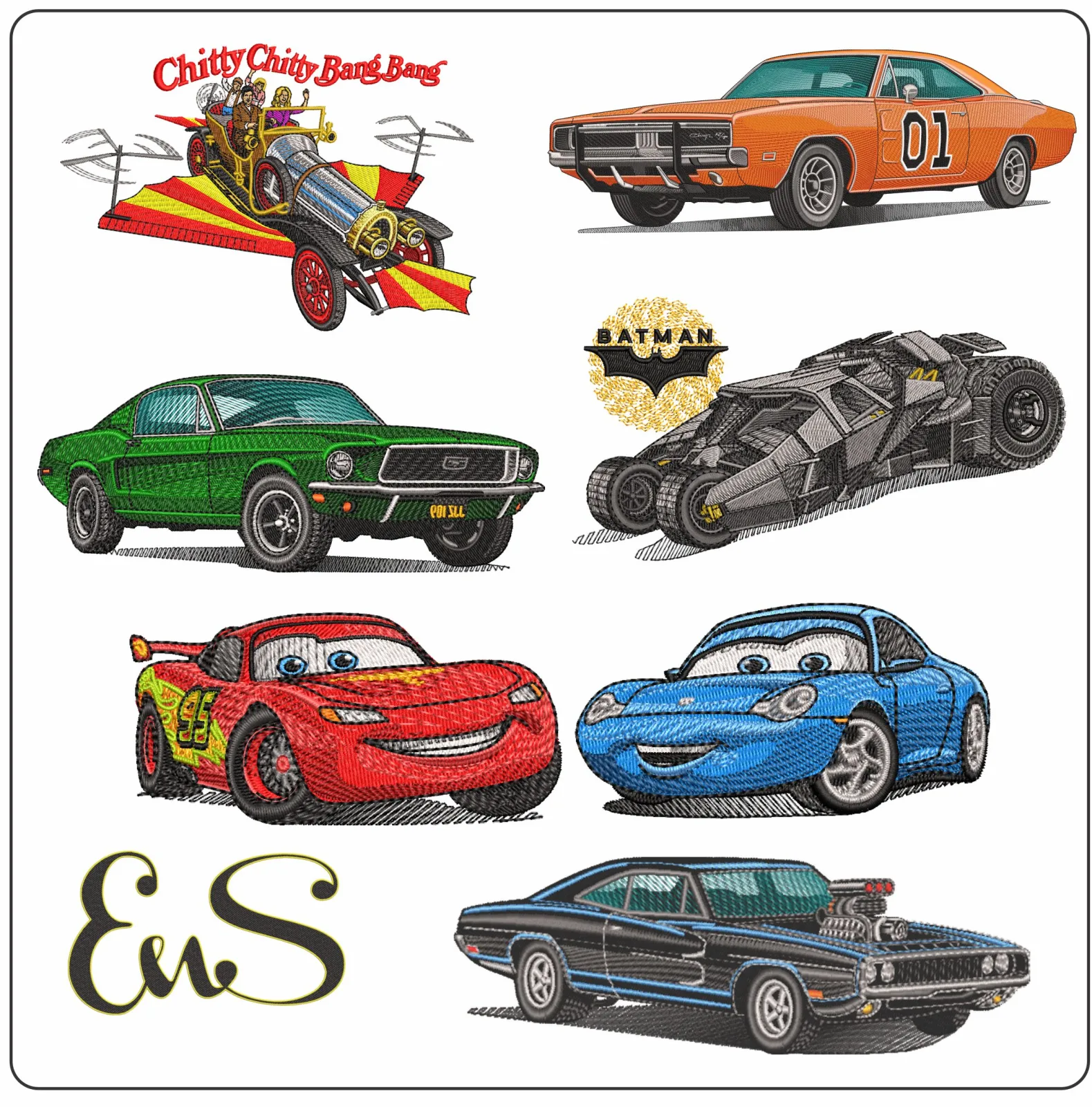
Anime, pop culture characters, and entertainment-inspired motifs are a fast-growing embroidery segment, particularly among younger makers and boutique Etsy sellers targeting collector communities. Etsy's 2026 "Soft Stitch Era" framing reflects a broader appetite for intentional, character-driven designs that feel handcrafted rather than mass-produced. Retro Y2K typography and nostalgia-forward aesthetics overlap heavily with fandom culture, making this category a natural fit for that trend. One important note: if you plan to sell fandom-inspired work, it is worth researching intellectual property guidelines carefully before listing, since character likenesses and team logos can carry licensing restrictions.
Patches and Badge Designs
Flat embroidered patches remain a high-visibility product in 2026 and are used across jackets, backpacks, team uniforms, and branded merchandise. The growth trajectory of the embroidery hoop set market, projected to nearly double from $290.50 million in 2025 to $571.46 million by 2035, reflects the expanding base of home embroiderers who are actively working on exactly these kinds of projects. Downloadable patch design files are popular for both personal use and small-batch commercial production because the format is consistent and the results look polished with minimal experience. If you want a quick win as a beginner, a simple patch project is one of the most satisfying places to start.
How Machine Embroidery Design Files Work
Before your machine can stitch a single thread, it needs more than a pretty picture to follow. It needs a set of precise, technical instructions written in a language it actually understands. That is exactly what a machine embroidery design file is: a digitized stitch program that tells your embroidery machine where to place each needle penetration, what color thread to use, and in what sequence every stitch should happen. Think of it like a detailed map your machine follows from start to finish. A regular image file, like a JPG or PNG, only shows what something looks like. An embroidery file tells the machine exactly how to recreate that image with thread, one stitch at a time. This distinction matters a lot for beginners, because you cannot simply load a photo or clip art into your machine and hit start.
File Formats and Why They Matter
Here is where things get a little technical, but stick with it because understanding formats will save you a lot of frustration. The most common machine embroidery file formats include DST, PES, JEF, VP3, EXP, and HUS, and each one is associated with specific machine brands. PES is the native format for Brother and Baby Lock machines. JEF works with Janome. VP3 is used by Husqvarna Viking and Pfaff. EXP is associated with Melco machines, and HUS is linked to older Husqvarna models. DST is a widely used commercial format originally developed by Tajima, and it is accepted across many professional multi-head systems, though it does not store color data the way consumer formats do. The reason so many formats exist is that each major manufacturer built its machines to read its own proprietary file type, optimized for that hardware. Loading the wrong format into your machine simply will not work, which is why knowing your machine brand and model before you download is an important first step. You can check your machine manual or the manufacturer's website to confirm which format your specific model requires. For a deeper look at how these formats differ by machine brand, a format-by-format guide can be a genuinely useful reference to bookmark.
### Ready-Made Downloads vs. Custom Digitizing
When you are ready to actually get designs for your machine, you have two main paths. The first is purchasing a ready-made downloadable file, which is pre-digitized, immediately usable, and typically priced in the affordable impulse-purchase range. The second is commissioning custom digitizing, where a skilled professional converts your specific artwork or logo into a stitch file from scratch. Custom digitizing involves back-and-forth communication, longer turnaround times, and significantly higher costs, because a real person is making decisions about stitch type, density, underlay, and color order for a one-of-a-kind design. For most everyday embroidery projects, including fandom designs, florals, monograms, seasonal motifs, and character-themed items, ready-made downloads cover everything you need without the wait or extra expense.
How the Instant Download Process Works
Buying from an instant-download store is genuinely straightforward once you understand the basic steps. You purchase the design, download a ZIP archive to your computer, and unzip the file to access the individual format files inside. From there, you select the correct format for your specific machine, transfer it to a USB drive or embroidery card depending on what your machine accepts, load it into the machine, and stitch. There is no waiting period, no design approval process, and no back-and-forth with anyone. The ZIP file may also include a color chart showing thread color references, which is a helpful reference document but not a file your machine reads directly.
One Purchase, Multiple Formats
One of the most beginner-friendly aspects of quality downloadable design packs is that they typically include multiple file formats in a single download. That means the same purchase works whether you own a Brother, Janome, Bernina, Baby Lock, Singer, or another popular home machine brand. You get the full set of formats, pick the one your machine needs, and you are ready to stitch. This multi-format approach makes it easy to buy with confidence, knowing you will not end up with a file your machine cannot read.
How to Choose the Right Embroidery Design for Your Project
Now that you understand how design files work, the next step is knowing how to pick the right one for what you're actually making. Not every design works on every project, and a little bit of upfront thinking saves a lot of frustration at the machine.
1. Start with Placement and Project Type
The first thing to consider is where the design is going to live on your finished item. A left-chest logo typically runs between 3.5 and 4 inches wide, while a hat front panel usually tops out around 2.5 to 3 inches because of the curved surface and limited hooping area. A full back jacket design, on the other hand, can stretch to 10 inches or more. These are not interchangeable files. Stitch density, underlay structure, and overall sizing all need to match the placement zone, so always check the recommended dimensions listed on a product page before you buy. Most quality design listings include this information right in the product details.
2. Match Design Style to Your Fabric
Fabric type should directly influence which design style you choose. Dense, structured techniques like 3D puff embroidery are built for firm substrates such as structured caps and stiff woven fabrics. Trying to run a high-density puff design on a lightweight knit is a recipe for puckering, thread breaks, and a frustrated afternoon. If you are working with stretch fabrics, soft jersey, or lightweight wovens, look for minimalist line art, tone-on-tone styles, or micro embroidery designs that use lower stitch density. A good embroidery density guide can help you understand exactly how stitch settings interact with different materials, and it is worth a quick read before you start a new project type.
3. Factor in Your Skill Level and Machine
Beginners should pay close attention to stitch count and color change totals listed on design product pages. Designs under roughly 5,000 stitches with four or fewer color changes are much more manageable when you are still learning how your machine behaves. Higher stitch counts and complex layering sequences are better tackled once you have a few successful projects under your belt. Look for listings that include digitizing notes or format compatibility details, because a well-documented file is usually a sign of quality digitizing overall.
4. Browse by Theme, Not Technique
When you know what the finished item should look like, browsing by theme is far faster than searching by stitch type. Searching "NFL team," "floral wreath," or "Christmas ornament" gets you to usable results immediately. Searching by "satin stitch fill" when you want a football helmet motif just adds unnecessary steps.
5. Choose Packs and Collections Over Single Files
Buying a coordinated design collection gives you more project flexibility and a lower cost per design. Sets built around a shared style or theme keep your finished items visually consistent, which matters especially if you are making multiple pieces for a gift set or a small shop order.
6. Use a Catalog Organized by Intent
Embroidery n Sewing's catalog is structured exactly this way. Categories span country flags, nature motifs, seasonal designs, cartoons, anime, sports teams, and machine embroidery fonts, so you can browse by what you want to make rather than hunting through unrelated results. Whether you are personalizing a jersey, decorating a tote, or building a themed gift, the category structure points you straight to the right section.
Using Embroidery Designs for Craft Selling and Custom Apparel
If you have ever wondered whether embroidery could do more than fill an afternoon hobby session, the answer is a pretty confident yes. Plenty of Etsy sellers and boutique apparel decorators have built real product-based businesses around one surprisingly simple foundation: downloadable machine embroidery design files. The model works like this. You purchase a design file once at a low price point, load it onto your machine, and stitch it onto finished goods whenever an order comes in. No minimums, no reorder fees, no waiting on a digitizer. You own the file and you use it as many times as your business needs.
The Math Works in Your Favor
The economics here are genuinely hard to beat for small sellers. A single design file purchased at an impulse-friendly price can be stitched onto dozens of finished items over the course of its useful life. Once you spread that one-time cost across a full run of embroidered sweatshirts, hats, or tote bags, the per-unit design cost shrinks to almost nothing. That kind of leverage is difficult to replicate with any other product sourcing method, and it is a big reason why so many crafters transition from hobby stitching to selling without needing significant startup capital.
Niche Themes Drive Real Sales
The demand for specific, community-driven themes is not subtle. Sports team spirit wear, university-style designs, and popular entertainment and fandom properties are consistently among the highest-performing search categories for embroidery sellers. 5 Proven Embroidery Design Styles Guaranteed To Sell highlights formats like curved varsity text, corner pocket icons, and spirit-wear layouts as proven bestsellers on apparel, all of which map directly to college and sports fandom demand. Local craft markets tell the same story. Buyers respond to things they already love, and designs tied to recognizable teams, schools, and characters give sellers an immediate emotional connection with their customers.
Speed and Selection Give You a Real Edge
For boutique decorators, being able to fulfill a specific custom request quickly is a genuine competitive advantage. When a customer asks for a particular college team aesthetic or a beloved cartoon character, having that design already in your library means you can say yes and start stitching the same day. Sellers who have to hunt down or commission new designs per order lose time and potentially lose the customer entirely.
Timing Your Design Library to Peak Seasons
Seasonal prep is one of the most practical strategies you can build into your workflow. High-Demand Embroidery Products for Etsy in Q4 makes it clear that Q4 is the biggest window for embroidery sales, but back-to-school and the start of sports seasons create their own spikes. Stocking up on holiday, school spirit, and game-day designs before those windows open means you are ready to fulfill volume orders without scrambling. Having a broad, well-organized design library accessible before peak demand hits is one of the most straightforward ways to keep your shop running smoothly when buyers are ready to purchase.
Start Stitching: Your Next Embroidery Project Is One Download Away
Embroidery in 2026 is rich, varied, and genuinely beginner-friendly. You now know that machine embroidery spans seven major design styles, rides a clear cultural wave in the Soft Stitch Era, and covers projects ranging from sports hats and team apparel to seasonal gifts and personalized home goods. That is a lot of creative territory, and the good news is that all of it is accessible to you right now.
Modern computerized machines have removed the biggest barrier that once kept embroidery intimidating. When you load a properly formatted design file onto your machine, the hard work is already done. The digitizing, the stitch sequencing, the color stops: it is all built in. Your job is to hoop the fabric, load the file, and press start. Even on your very first project, the results can look completely polished and professional.
The key to getting started without feeling overwhelmed is simple: browse by theme instead of browsing everything at once. Pick one project type you are excited about, find a design that suits the fabric and placement, and stitch it. One hat. One tote bag. One holiday gift. That first finished piece builds the confidence to keep going.
Embroidery n Sewing's catalog is a practical place to start that search. It is organized by theme, spanning sports, florals, seasonal designs, cartoons, fonts, and much more, with instant-download files ready to load in your machine's format. You can also explore curated resources like free in-the-hoop embroidery designs or check a roundup of top embroidery download sites for 2026 to get a feel for how the broader community organizes project types. Choose your project, match your design, download the right format, and start stitching today.
Conclusion
Embroidery in 2026 is more accessible, creative, and exciting than ever before. You now know the essential styles to explore, the trends shaping the craft this year, and the beginner-friendly designs that will help you build real confidence with every stitch. Most importantly, you know that you do not need to be an expert to create something beautiful.
The hardest part is simply starting. Pick up a hoop, choose a pattern that makes you smile, and let yourself be a beginner without apology. Every skilled embroiderer you admire was once exactly where you are right now.
Your first project does not have to be perfect. It just has to be yours. So thread that needle, find a cozy spot, and stitch your way into a hobby that is equal parts meditative, artistic, and deeply rewarding. Your embroidery journey starts today.