Does the endless scroll of digital designs leave you more overwhelmed than inspired? You have the machine, the thread, and the creative spark, but sifting through countless options-from confusing file formats to dated styles-can feel like searching for a needle in a haystack. It's easy to get stuck before you even press "start," wondering which design will actually stitch out beautifully and bring your vision to life.
Consider this your creative roadmap. We're here to cut through the confusion and unlock a world of incredible embroidery patterns perfectly suited for your machine. In this ultimate guide, you'll discover thousands of inspiring ideas, from timeless florals to bold, modern pop culture designs. We'll demystify file types, help you spot high-quality patterns, and give you the confidence to choose the perfect design for your next project. Get ready to transform that blank fabric into a professional-looking masterpiece you'll be proud of.
## Machine vs. Hand Embroidery Patterns: What's the Key Difference?
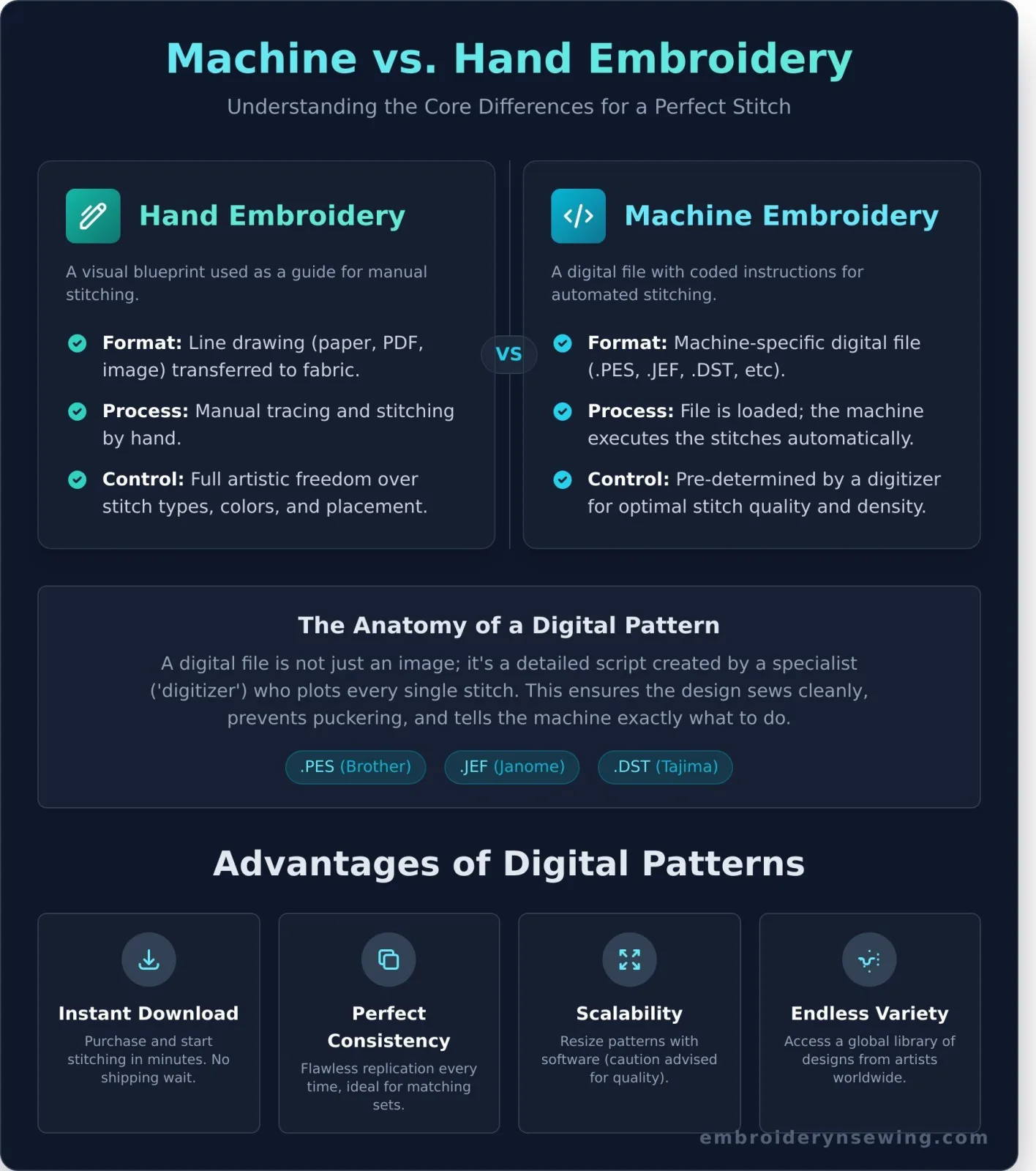
When you begin searching for your next project, you'll find two fundamentally different types of embroidery patterns available. While both can produce stunning results, the format of the pattern is tailored to a specific stitching method. Understanding the distinction between hand and machine embroidery is the first step to ensuring your project is a success from the very first stitch.
A hand embroidery pattern is essentially a line drawing or a guide. It's a visual blueprint that you transfer onto your fabric using methods like tracing with a light box, using transfer paper, or printing on a water-soluble stabilizer. You then use this guide to create your stitches manually, choosing your own thread colors and stitch types. In stark contrast, a machine embroidery pattern is a digital file. You cannot simply load a PDF or a JPEG of a hand pattern into your machine. Instead, the machine requires a specific set of coded instructions that tell it exactly where to stitch, what color to use, when to trim the thread, and how dense the stitches should be. This digital blueprint is the key to automated stitching.
The Anatomy of a Digital Machine Embroidery Pattern
A machine embroidery file is more than just an image; it’s a detailed script for your machine. These files are created by a specialist in a process called 'digitizing.' A skilled digitizer plots every single stitch to ensure the design sews out cleanly and efficiently, preventing puckering and thread breaks. Each machine brand reads a specific file format, such as:
- .PES for Brother/Baby Lock machines - .JEF for Janome machines - .DST for Tajima and many commercial machines
Benefits of Using Digital Patterns
Working with digital embroidery patterns offers several powerful advantages for the modern crafter. The biggest benefits include:
- Instant Download: Purchase a design online and you can have it loaded onto your machine in minutes. There's no waiting for shipping.
- Perfect Consistency: Once a design is digitized correctly, the machine will replicate it flawlessly every time, which is ideal for creating multiple matching items.
- Scalability: Some embroidery software allows you to resize digital patterns. However, this should be done with caution, as significantly changing the size can affect stitch density and quality.
- Endless Variety: The digital marketplace gives you access to a global library of designs from artists all over the world, far exceeding what you could find in a local craft store.
Explore Popular Embroidery Pattern Themes for Endless Inspiration
Once you have your supplies ready, the most exciting step is choosing a design. The world of embroidery is filled with diverse themes, offering a perfect starting point for any project. From timeless classics to modern minimalist art, the right pattern transforms a simple piece of fabric into a personal masterpiece. When working with a machine, understanding the different types of digital embroidery patterns and their file formats is key to achieving a clean, professional result. Don't forget to explore seasonal collections for holidays like Christmas, Halloween, and Easter to create festive decor and gifts.
Floral & Botanical Patterns
Flowers are a timeless muse in embroidery. Classic designs featuring intricate roses, cheerful daisies, and elegant wreaths bring a touch of traditional beauty to any item. For a more modern aesthetic, consider minimalist line-art botanicals, trendy succulents, or vibrant tropical leaves. These versatile embroidery patterns are perfect for embellishing home goods like tea towels and pillowcases or adding a custom touch to a denim jacket.
Ready to bring your fabric to life? Browse our beautiful floral embroidery designs.
Animals & Nature
From the forest to the savanna, animal patterns are a source of endless delight. Stitch cute woodland creatures like foxes and bears for a charming nursery quilt, or capture the majesty of wildlife with detailed portraits of lions and eagles. This theme also extends to beloved pets and even fantasy creatures like dragons and unicorns, making it ideal for personalizing children's clothing, quilts, and wall art.
Cartoons, Characters & Pop Culture
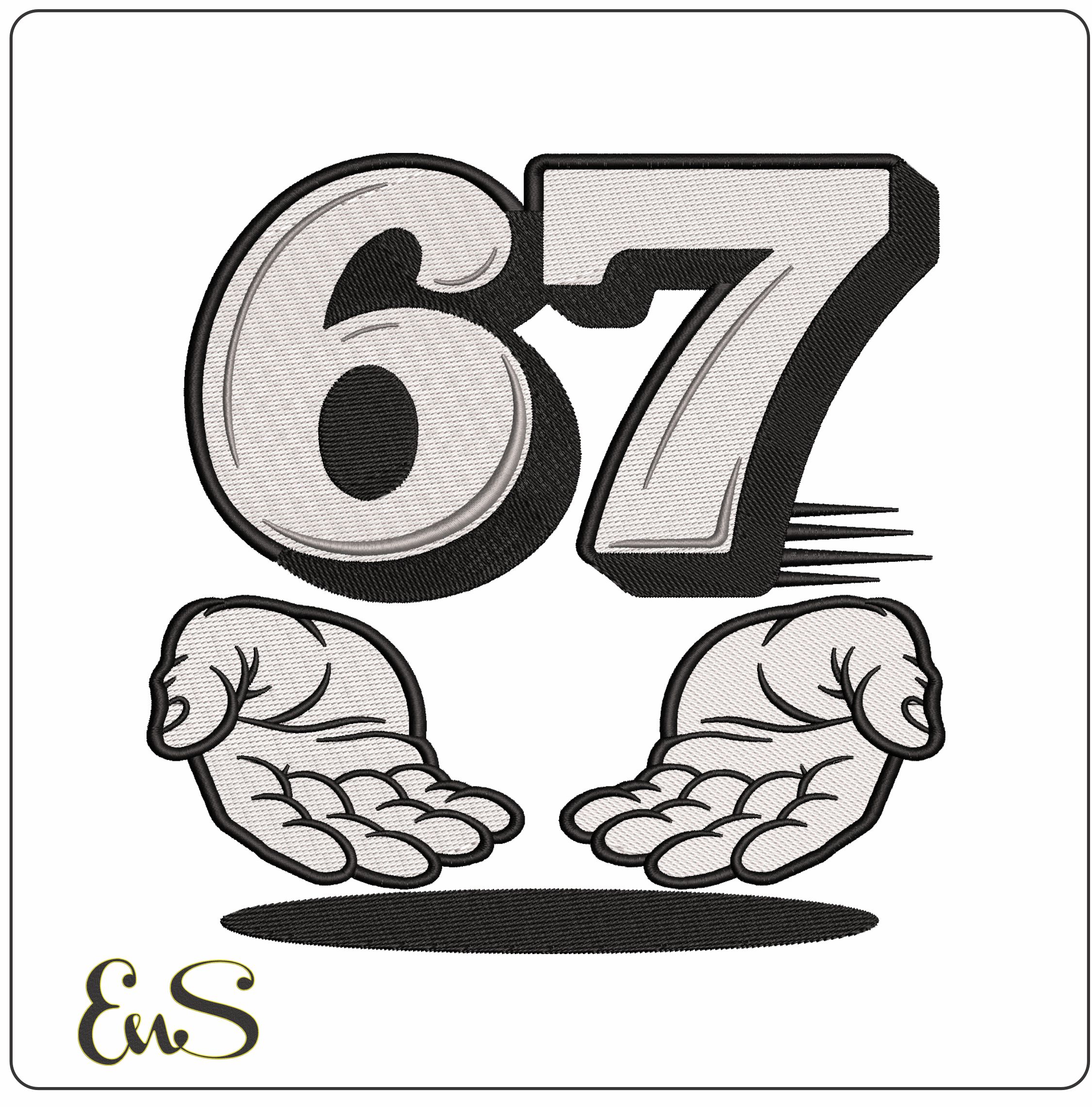
Showcase your personality and passions with designs inspired by pop culture. This incredibly popular category allows you to stitch characters from your favorite movies, video games, and animated shows. It’s a fantastic way to create one-of-a-kind gifts for fans of all ages, whether you're customizing a backpack, a t-shirt, or a cozy hoodie.
Find your favorite characters in our cartoon collection.
Sports Logos & Mascots
Display your team pride with sports-themed embroidery. Whether you follow the NFL, NBA, MLB, or your local college team, there are countless patterns available for official logos and mascots. This is the ultimate way to customize fan gear, from baseball caps and jerseys to duffel bags and stadium blankets, making every game day special.
Choosing Patterns Based on Your Project
Once you have a theme in mind, the next critical step is matching the design to your physical project. The best embroidery patterns are not just beautiful-they are also perfectly suited to the item you're stitching. The fabric type, item size, and intended use all play a crucial role. A key concept to understand is stitch density-the number of stitches in a given area. A dense pattern that looks stunning on a sturdy denim jacket will cause a lightweight t-shirt to pucker and warp. Let's break down how to choose the right pattern for your application.
Patterns for Apparel: T-Shirts, Hoodies & Jackets
When embroidering on stretchy knits like t-shirts or hoodies, opt for designs with a lower stitch density. These "light" or "open" patterns prevent the fabric from pulling and distorting. For professional, long-lasting results, always use an appropriate stabilizer, such as a cut-away type, to support the fabric during and after stitching. Consider creative placements like:
- A subtle logo on the chest
- A delicate floral design on a sleeve
- A bold, statement piece on the back of a jacket
Designs for Home Decor: Towels, Pillows & Linens
Plush fabrics like terry cloth towels have a high pile that can swallow a design. Look for patterns specifically digitized with a "knockdown stitch"-a base layer of stitching that flattens the fabric loops, allowing your main design to pop. For pillows and bed linens, classic monograms or elegant botanical designs add a touch of personalized luxury. The tradition of using needlework for decor is timeless, as beautifully documented in the history of embroidery samplers, which often became cherished household art. You can also create themed sets for a cohesive look in a kitchen or bathroom.
Customizing Accessories: Hats, Bags & Patches
Accessories present unique challenges and opportunities. Embroidering hats requires a special hoop and designs digitized for a curved surface, typically centered and compact. For tote bags and backpacks made of canvas or other sturdy materials, you can use bolder, more dense patterns that will withstand wear and tear. You can also create standalone patches with designs that have a thick satin stitch border, allowing you to iron or sew them onto virtually any item.
How to Find, Buy, and Use Digital Embroidery Patterns
Diving into the world of digital embroidery is exciting, but the technical side can feel daunting at first. Don't worry! Using digital embroidery patterns is a straightforward process once you know the basics. This guide walks you through finding, buying, and loading your next project with complete confidence.
Where to Find High-Quality Patterns
The quality of your final stitch-out begins with a professionally digitized design file. For reliable, tested, and beautifully crafted designs, curated online stores like ours at Embroidery n Sewing are your best choice. Marketplaces such as Etsy also host many talented independent designers. We recommend caution with websites offering massive collections for free or at suspiciously low prices; these often contain poorly digitized or stolen files that can cause thread nests, broken needles, and disappointing results.
Understanding File Formats & Hoop Sizes
Before you fall in love with a pattern, you need to check two key details: the file format and the design size. This ensures it's compatible with your specific machine.
- File Format: Every embroidery machine brand reads a specific file type. You can find your machine's required format in its manual. The most common formats include:
- PES: Brother, Baby Lock, Bernina
- JEF: Janome, Elna, Kenmore
- DST: Tajima and most commercial machines
- EXP: Bernina, Melco
- Hoop Size: The pattern's dimensions (e.g., 4"x4" or 5"x7") must be smaller than your machine's largest hoop. Always verify the design size before you purchase to ensure it will fit.
From Download to Your Machine: A Simple Workflow
Getting a design from our store to your machine takes just a few minutes. Here is the simple, step-by-step process:
- Purchase & Download: After checkout, you will receive a link to download a .ZIP file. Save it to a memorable location on your computer.
- Extract Files: A .ZIP file is a compressed folder. On most computers, you can simply right-click it and select "Extract All" to open the folder.
- Find Your Format: Inside the new folder, you'll see the design saved in multiple formats (e.g.,
flower.pes,flower.jef,flower.dst). - Transfer to USB: Copy the single file that matches your machine's format onto a blank USB stick.
- Load & Stitch: Insert the USB into your embroidery machine, select the design from the menu, and you are ready to start stitching!
All our designs come with multiple file formats for your convenience.
Free vs. Paid Embroidery Patterns: Is Paying Worth It?
In a world full of free digital content, it’s fair to ask: why should you pay for an embroidery pattern? While freebies are great, think of them like a random recipe you find online-it might turn out fine, or it could be a disaster. A paid pattern, however, is like a recipe from a professional chef: tested, refined, and designed for a perfect result every time.
When you invest in a premium design, you're not just buying a file; you're buying quality, creativity, and peace of mind.
The Value of a Premium Pattern
A professionally created pattern is an investment in a flawless final product. Reputable designers ensure their files are meticulously crafted to save you time and frustration. Here’s what your money gets you:
- Quality Digitizing: This is the most crucial factor. A well-digitized pattern means fewer thread breaks, no frustrating puckering, and clean, crisp stitches that bring the design to life on your fabric.
- Unique Designs: Paid patterns often feature exclusive, intricate artwork from talented artists. You gain access to creative designs that stand out and aren't available elsewhere for free.
- Comprehensive Files: Premium downloads typically include multiple file formats, different sizes to fit various hoops, and detailed color charts with thread suggestions, taking the guesswork out of your project.
- Designer Support: If you run into an issue, reputable sellers often provide customer support to help you troubleshoot, ensuring you can complete your project successfully.
When to Use Free Patterns
Free patterns absolutely have their place in your toolkit! They are an excellent, no-risk way to learn and experiment. Consider using a free design when you are:
- Learning the Ropes: Use a simple freebie to test your new embroidery machine or get comfortable with the basics without worrying about wasting a design you paid for.
- Practicing a New Technique: Want to try appliqué or a new type of stabilizer? A free pattern is perfect for a practice run.
- Testing a Designer: Many sellers offer a free sample pattern. This is a smart way to test their digitizing quality before committing to a purchase.
Ultimately, while freebies are useful for practice, investing in high-quality embroidery patterns from a trusted source elevates your craft from a hobby to an art. For designs that stitch out beautifully from the very first try, explore the curated collection at embroiderynsewing.com.
Stitch Your Vision into Reality
From understanding the nuances of machine-specific designs to exploring the vast world of creative themes, you are now equipped to choose the perfect pattern for any project. We've seen how quality digitization is the key to a professional finish and how the right design can transform a simple piece of fabric into a work of art. Your embroidery machine is a powerful tool, and with the right inspiration, its potential is truly limitless.
Now it’s time to put that knowledge into action. Ready to find your next masterpiece? Explore thousands of high-quality embroidery patterns in our collection! Our vast library features an incredible variety of sports, cartoon, and holiday themes, all professionally digitized for flawless stitch-outs. With instant downloads available for all major machine formats, you can find the perfect design and start stitching in minutes.
Happy stitching, and may your every creation be a beautiful success!
Frequently Asked Questions
Can I use a hand embroidery pattern in my embroidery machine?
No, you cannot use a hand embroidery pattern directly in a machine. Hand patterns are typically simple line drawings meant for tracing. Machine embroidery requires a special digital file (like a .PES or .JEF) that has been 'digitized.' This process involves using software to convert the artwork into a specific stitch-by-stitch sequence that the machine can understand and execute. It's a technical process that requires skill and specialized software.
How do I know what file format my embroidery machine needs?
The best way to find your machine's required file format is to check its user manual. You can also visit the manufacturer's website for specifications. Different brands use unique formats; for example, Brother machines typically use .PES, Janome uses .JEF, Husqvarna/Viking uses .HUS, and Bernina uses .ART or .EXP. Most pattern sellers list all the formats included in the download, so you can confirm compatibility before purchasing.
What does it mean if a pattern is 'digitized'?
Digitizing is the process of converting an image or piece of artwork into a digital embroidery file that a machine can read. A person called a digitizer uses specialized software to manually plot every stitch in the design. They determine the stitch type (like satin, fill, or running stitch), the stitch direction, and the density to ensure the final embroidered result is high-quality, neat, and doesn't pucker the fabric.
How do I know if a pattern will fit in my machine's hoop?
You must compare the pattern's dimensions to your machine's maximum embroidery area. Pattern designers always list the final size of the design (e.g., 3.8" x 3.5"). Check your machine's manual for its hoop sizes, which are often listed as 4"x4", 5"x7", etc. The pattern's dimensions must be smaller than or equal to one of your available hoop sizes to be stitched out successfully.
Are digital embroidery patterns reusable once I buy them?
Yes, absolutely. Once you purchase and download a digital file, it is yours to use for personal projects as many times as you wish. We recommend saving your purchased embroidery patterns to a dedicated folder on your computer, a USB drive, or a cloud storage service. This ensures you can always find your designs for future projects and protects you from losing them if your computer has issues.
Can I sell items I make using a purchased embroidery pattern?
This depends entirely on the license provided by the pattern's designer. Many designers offer a limited commercial license, allowing you to sell a certain number of finished physical items (e.g., up to 100 t-shirts). Others are strictly for personal, non-commercial use. Always read the "Terms of Use" or licensing agreement included with your download before selling items you've made. Reselling the digital file itself is never permitted.